Start with the habitat, not a checklist
A quiet walk in Sweden can bring a glimpse of a deer between trees, a woodpecker overhead or waterbirds feeding along a shore. Sightings are never guaranteed, and that is part of the pleasure. Rather than setting out to find a particular animal, choose a habitat, slow your pace and notice tracks, calls and movement. Binoculars let you enjoy small details without moving closer.
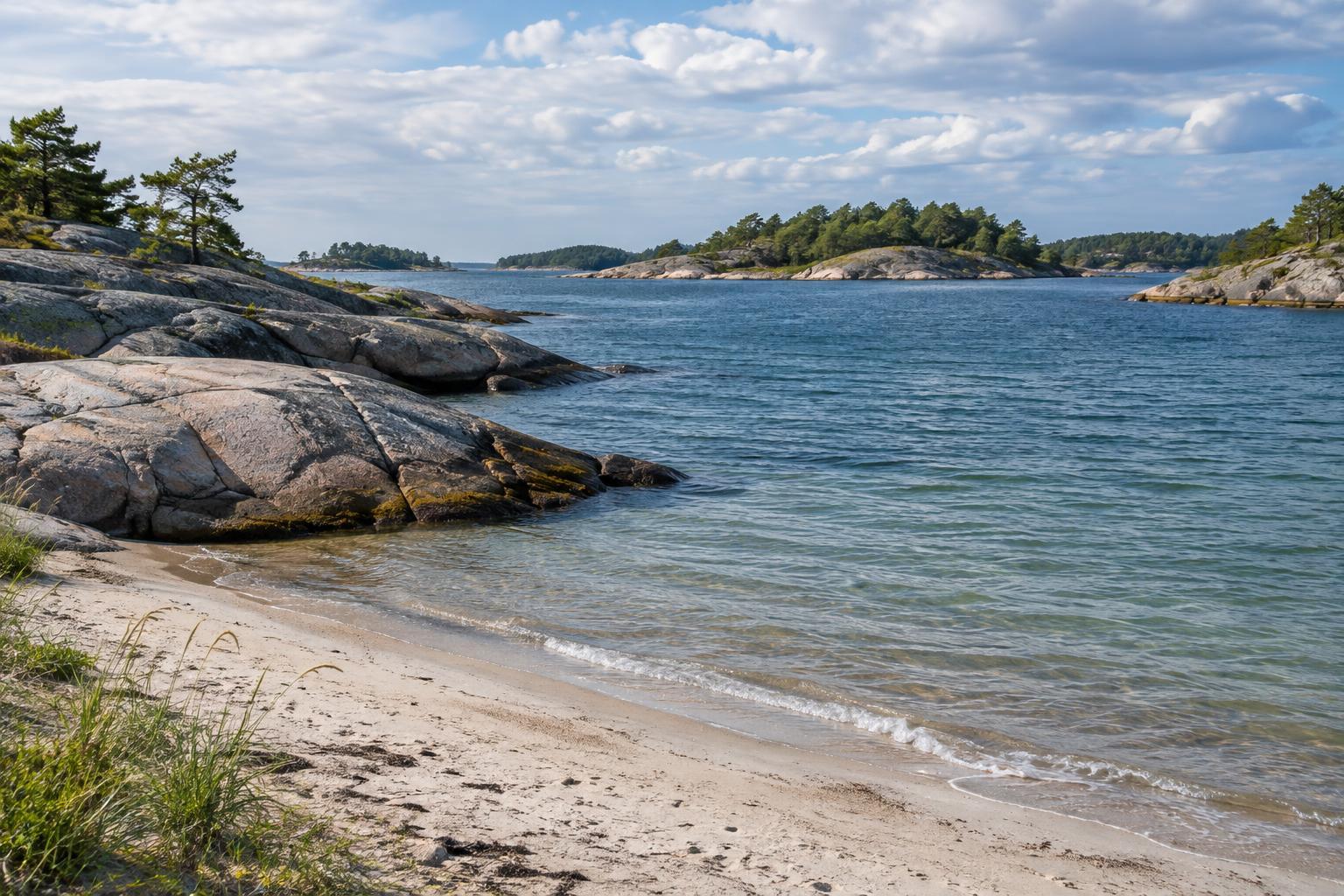
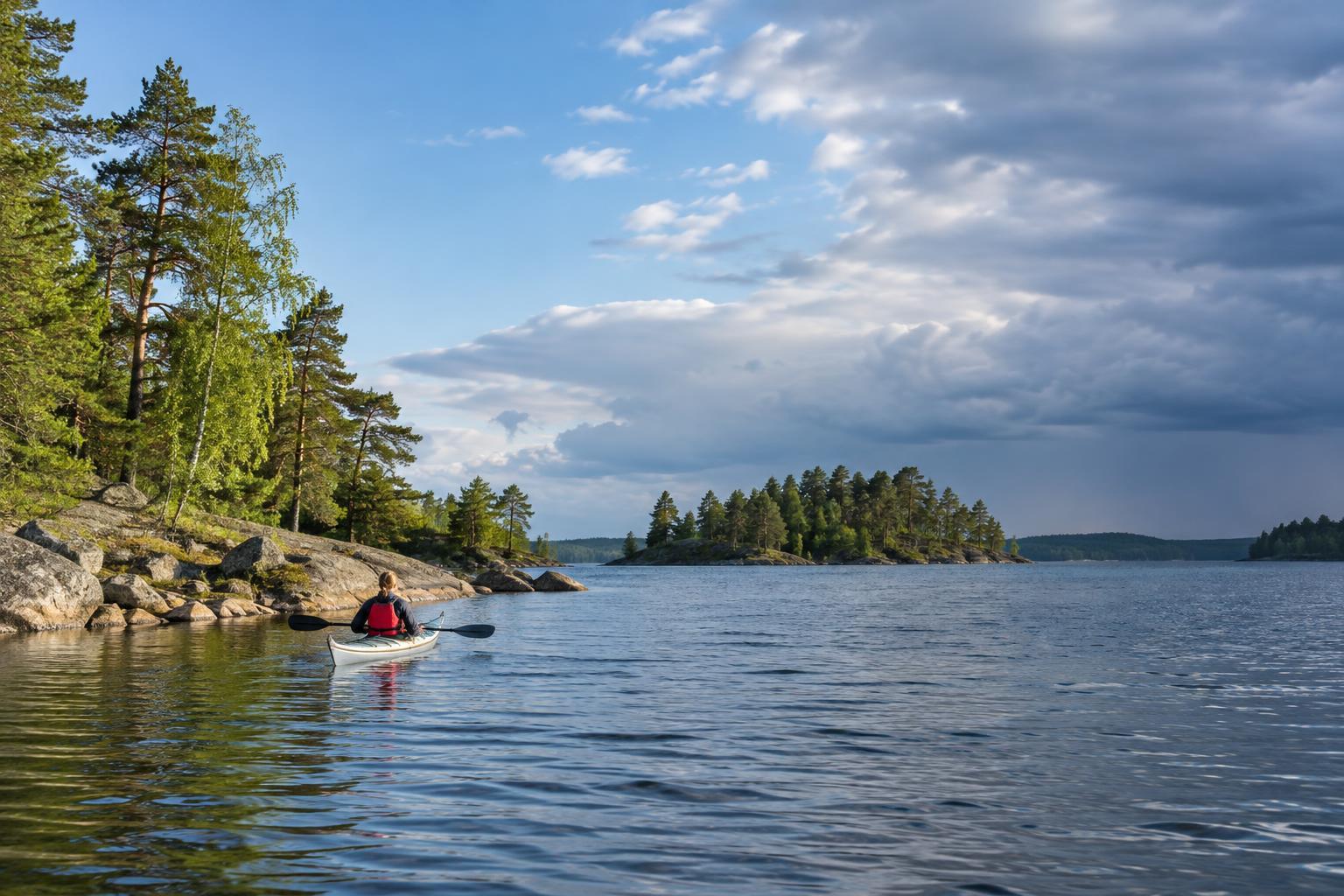
Forest edges, clearings and the margins of lakes can be good places to look for mammals and birds, especially when the surroundings are calm. Wetlands attract a variety of birds, while rocky coasts and islands may offer views of seabirds or seals from suitable public viewpoints. In northern Sweden, open mountain landscapes offer different possibilities again. Conditions and wildlife activity vary by place and season, so leave room for a walk to be rewarding even when the animals stay out of sight.
Choose places that make observation easy
Marked trails, birdwatching towers and established viewpoints help visitors see into a landscape without walking through sensitive habitat. A tower beside a wetland, for example, can offer a better view than pushing through reeds. Along the coast, watching from shore is generally less intrusive than trying to approach animals resting on rocks. If you are planning a visit around a particular species, check the site’s visitor information beforehand rather than assuming access is open everywhere.
Sweden’s public access tradition creates opportunities to explore, but it does not remove the need for care. Nature reserves and other protected areas may have specific rules about paths, dogs, camping or seasonal access. Read signs at entrances and follow any temporary closures you encounter. Stay out of fields with crops, respect homes and private spaces, and use existing paths where your footsteps could damage fragile ground.
In the north, you may also encounter reindeer. They are part of Sámi reindeer-herding livelihoods, not wild animals to follow for a photograph. Give them space, avoid separating animals from a group and move on calmly if your presence seems to change their direction.
Let the animal decide the distance
There is no single distance that works for every species and situation. A useful rule is to stay far enough away that the animal continues what it was doing before you arrived. If it stops feeding, repeatedly looks toward you, changes course or moves away, you are likely too close. Step back quietly. Never pursue an animal for a better picture, and use a zoom lens or binoculars instead of closing the gap.
Nests, dens, young animals and resting sites deserve particular care. Do not touch a young animal or assume it has been abandoned because an adult is not visible. Keep dogs close and under control, and observe any local leash requirements. Avoid feeding wildlife: it can alter animals’ behaviour and draw them toward people or roads. Recorded bird calls can also disturb birds, particularly around breeding sites, so listening is a better choice than trying to prompt a response.
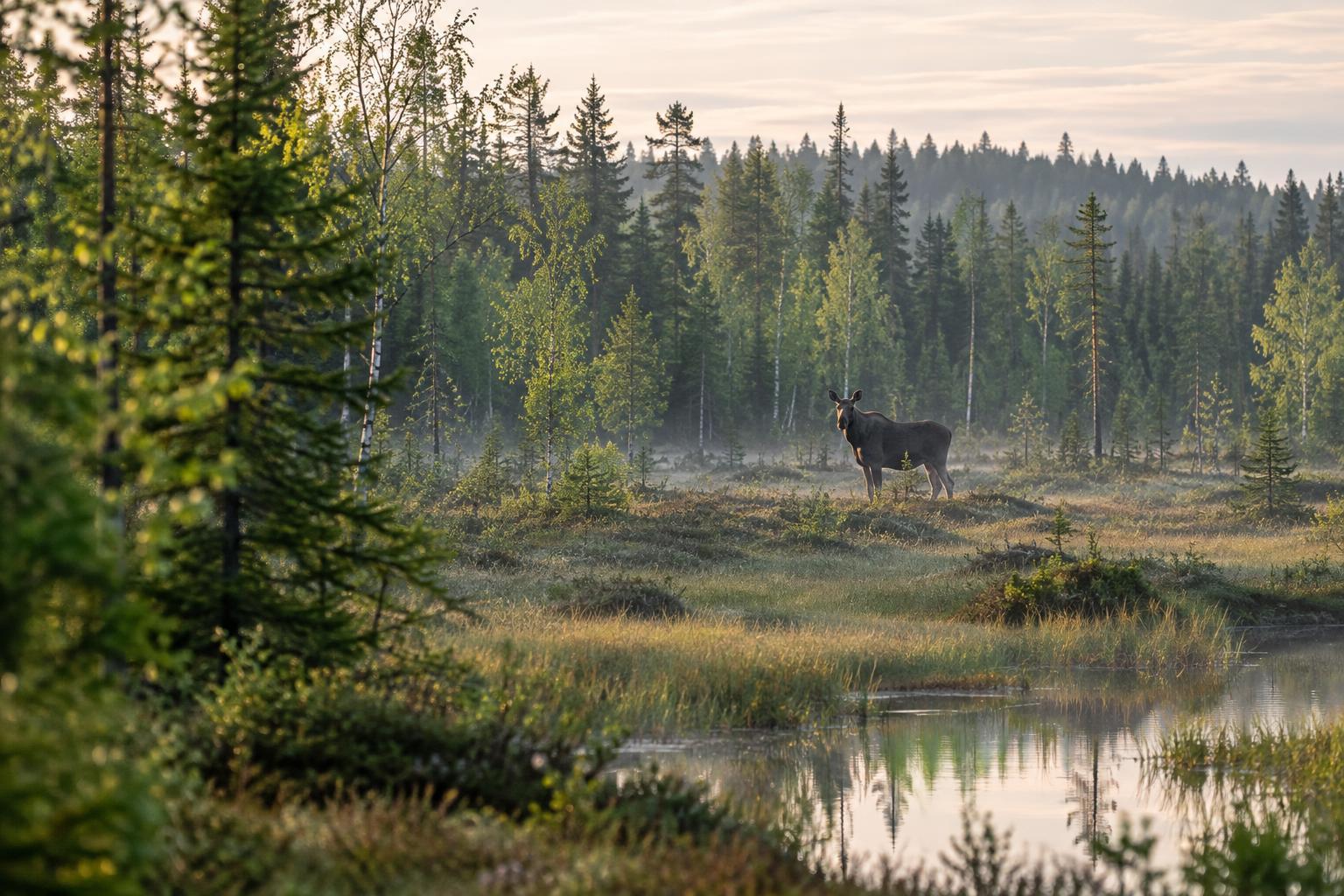
Large animals need extra room. Moose may appear placid but can react defensively, especially if startled or accompanied by young. Stop, give them an open route away and retreat rather than trying to pass nearby. If an animal approaches you, increase your distance calmly. Wildlife watching should never depend on getting close enough to test how an animal will respond.
Make the journey part of the experience
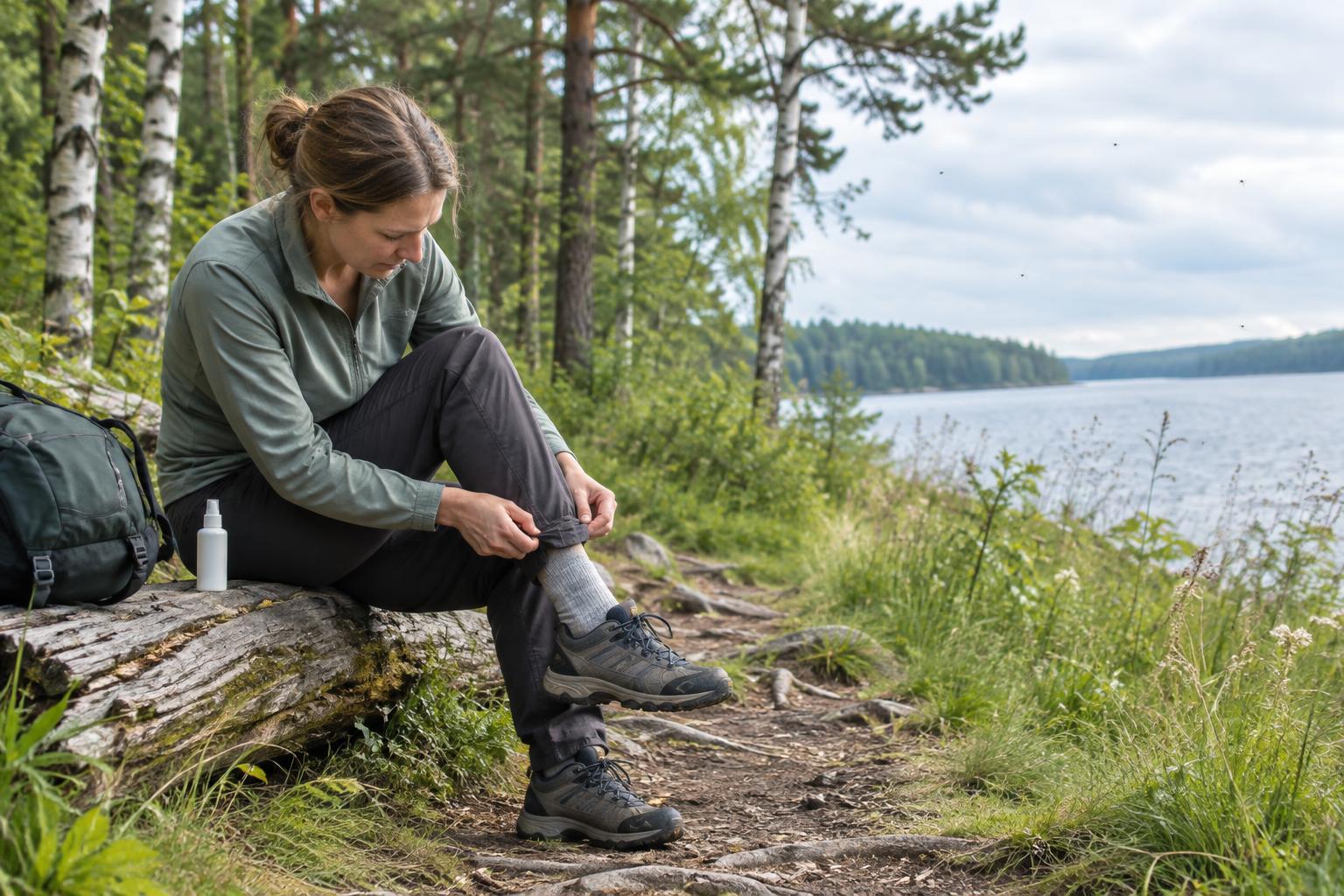
A comfortable outing makes patience easier. Dress for changing weather, carry water and choose footwear suited to the ground. A notebook can be as useful as a camera: jot down what you heard, where you stood and how the habitat changed. If you photograph an animal, consider whether sharing its exact location could bring unwanted attention to a nest or resting place.
Take particular care near roads. An animal seen from a vehicle is not a reason to stop where it is unsafe or to step into traffic. Use a designated stopping place and watch from there, or continue to a trail or viewpoint. Before setting out, check local access information and the conditions you can reasonably expect; then be willing to change plans if a path is closed or an area is busy.
The most satisfying wildlife encounters often happen when you make little demand of the landscape. Pause, watch and leave the place as you found it. Sweden Culture Guide is an independent cultural magazine, not a consulate or government service; this guide is intended to help you explore Sweden thoughtfully.