What is föreningsliv?
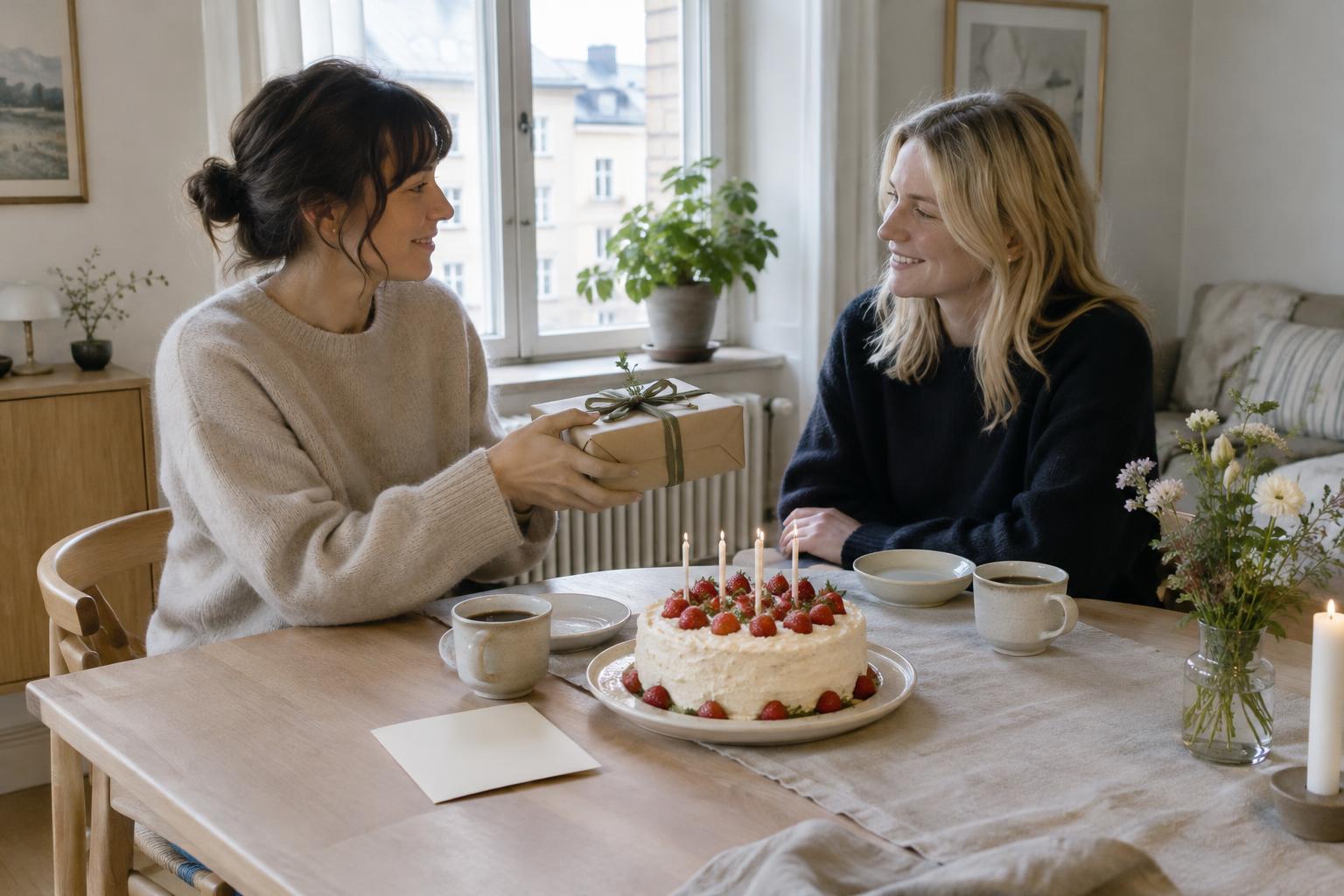
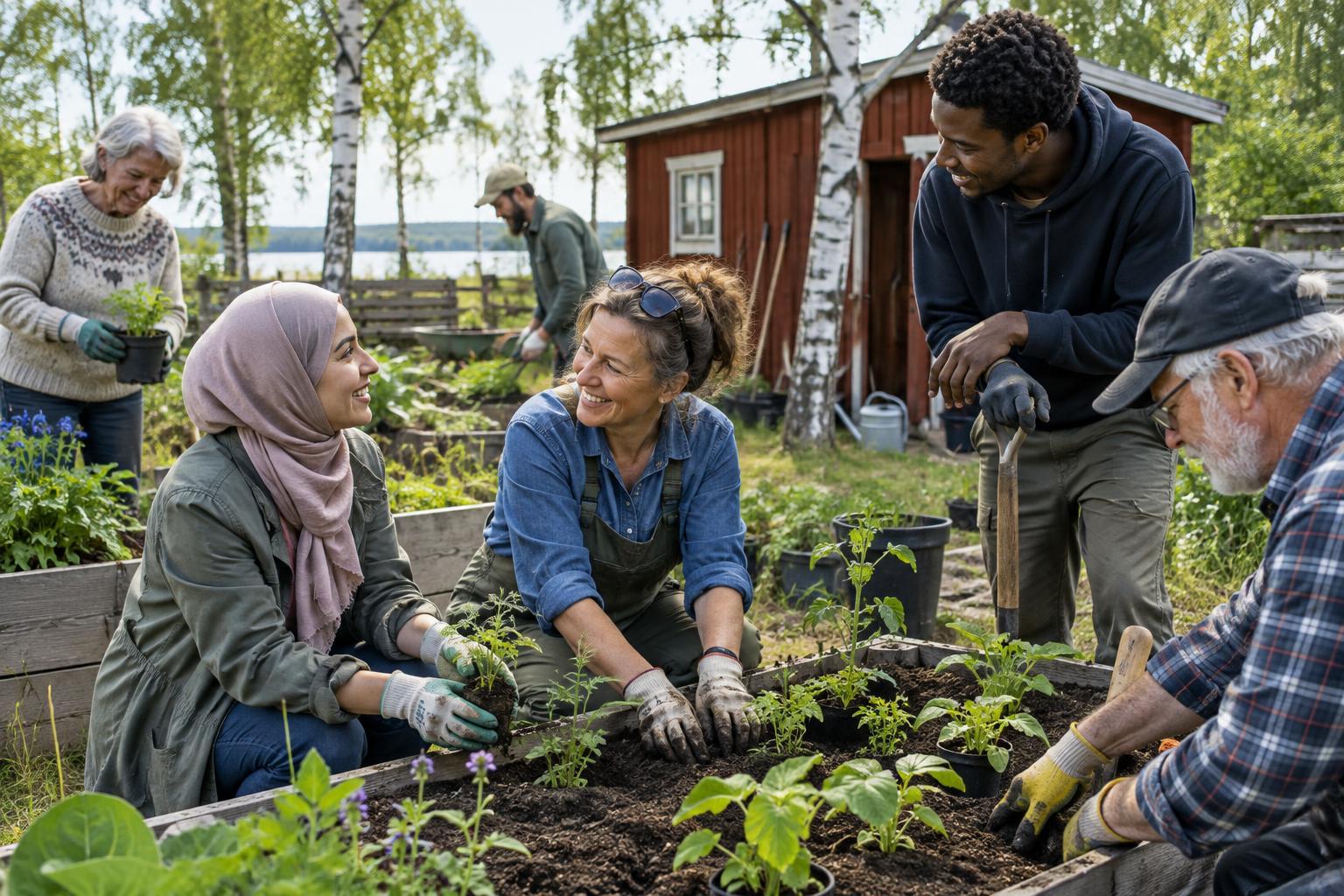
Föreningsliv means association life: the activities of clubs and groups formed around a shared interest or purpose. In Sweden, that might mean a neighborhood football team, a choir, a gardening association, a craft circle or a local history society. Some groups organize regular practice or meetings; others focus on occasional events or a particular project. Their aims and ways of working vary, so there is no single experience that represents them all.
For someone trying to understand Swedish culture, an association can offer a view beyond festivals and well-known traditions. Members may set up chairs, plan a rehearsal, maintain equipment or bring coffee to a meeting. These ordinary tasks are part of the activity, not merely preparation for it. Participation can mean enjoying a hobby while getting to know the people who make it possible.
How a shared interest becomes a community
A group gives people a reason to meet again, which can make conversation easier than at a one-off social event. A beginner in a choir can ask about the music; someone joining a walking group can ask about the route. Familiarity often develops through these small exchanges and repeated activities. Still, joining a club does not guarantee close friendships, and it is fine to participate mainly because you enjoy what the group does.
Many associations depend on members contributing in some way. That might involve helping at an event, keeping track of equipment or serving on a committee. The amount expected can differ greatly between groups and even between roles in the same group. Before committing, ask how often the group meets, whether it charges a fee, what equipment you need and whether members are expected to volunteer outside regular sessions. Clear answers help you decide whether the activity suits your time and energy.
Finding a group that fits
Start with an interest you would pursue even if you knew nobody there. Local libraries, community noticeboards, cultural venues and activity organizers can be useful places to look for groups. If an association has a public description, check whether it welcomes beginners, which language it uses during activities and whether you can try a session before joining. A brief message asking those questions is often more useful than guessing from a name or photograph.
At a first meeting, arrive with a willingness to observe as well as take part. Someone may be busy setting up or concentrating on the activity, so a quiet start need not signal that you are unwelcome. Introduce yourself, mention that you are new and ask who can explain the routine. If the group is not a good match, try another. Clubs can differ in pace, age mix, cost and atmosphere, even when they share the same interest.
Planning with curiosity and realistic expectations
If you are visiting Sweden rather than living there, look for public performances, open sessions, exhibitions or community events connected with an interest you already have. Not every association welcomes drop-in visitors, particularly when an activity requires preparation or has limited space. Check the organizer’s own information before attending, and respect any request to register. For a contrasting example of how to plan an outing in another city, browse Visitor Planning · New Orleans After Hours.
Association life is one way to encounter Swedish culture, not a test of how well someone belongs. You can appreciate a public concert without joining the choir, or join a weekly activity without becoming involved in its committee. The useful question is what kind of participation you want: a chance to learn, a regular pastime or a role in organizing something with others. Sweden Culture Guide is an independent cultural magazine, not a consulate or government service; its aim here is to help you explore everyday culture with that question in mind.