Start with daylight, not just temperature
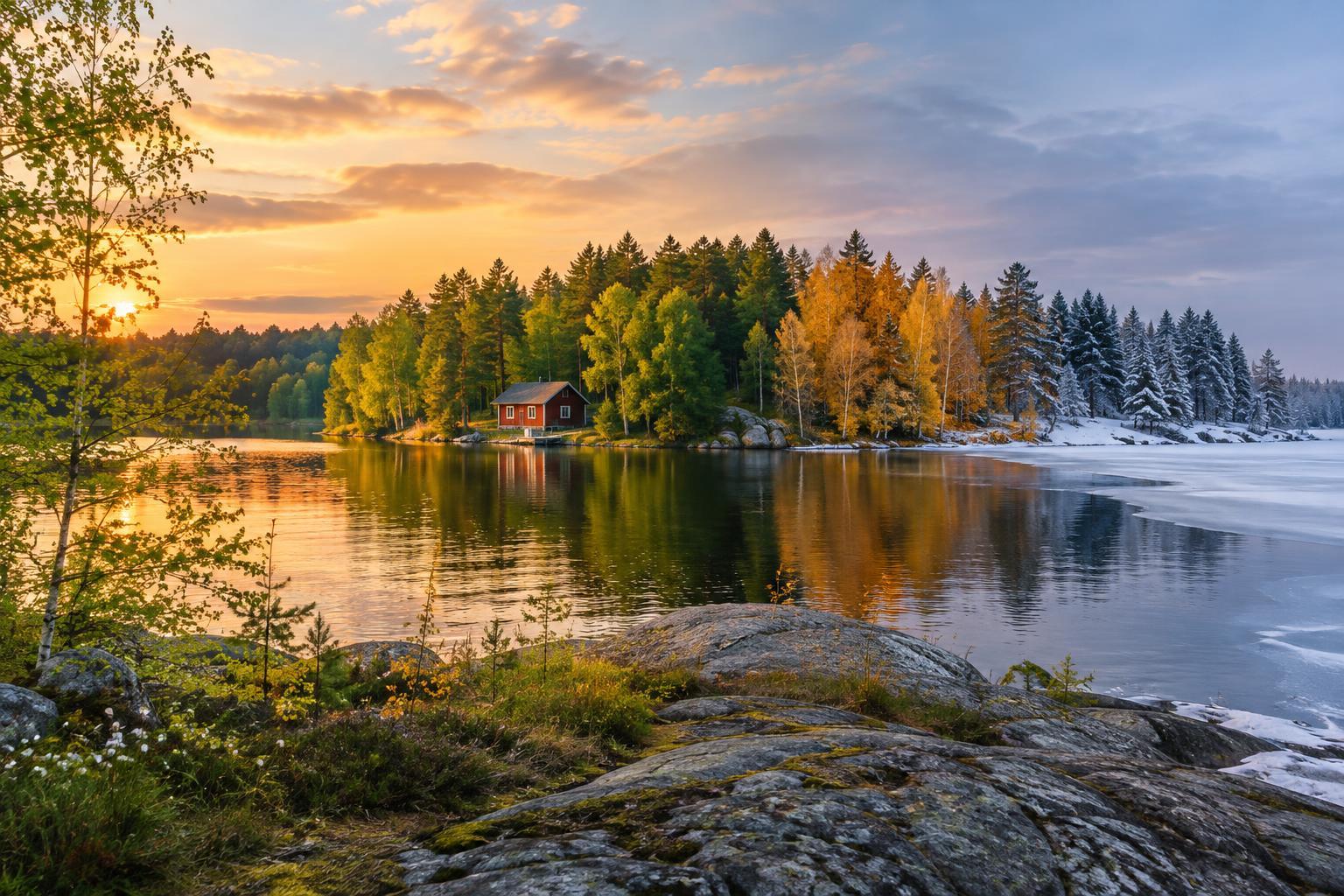
Choosing when to visit Sweden is partly a question of what kind of day you want. Summer offers long evenings for walking, swimming and eating outdoors. Winter brings short days, a slower rhythm and, in some places, snow-based activities. Spring and autumn sit between those extremes, with changing light and weather that can reward a flexible itinerary.
Location matters as much as season. Southern Sweden generally has milder conditions and less dramatic changes in daylight than the far north. Above the Arctic Circle, summer brings a period when the sun does not set, while winter has a period when it does not rise. Neither experience describes the whole country. Before planning a day around a sunset, a scenic drive or an outdoor activity, check the daylight hours for your destination.
Sweden Culture Guide is an independent English-language magazine about Sweden, not a consulate or government service. This guide focuses on the experience of travelling through its seasons.
Spring: changing conditions and room to explore
Spring is a season of transition rather than a single weather pattern. In the south, parks and gardens begin to green up while northern areas may still feel wintry. Days grow noticeably longer, making it easier to combine a city visit with an afternoon walk. Layers are useful: a mild spell can be followed by cold wind or rain.
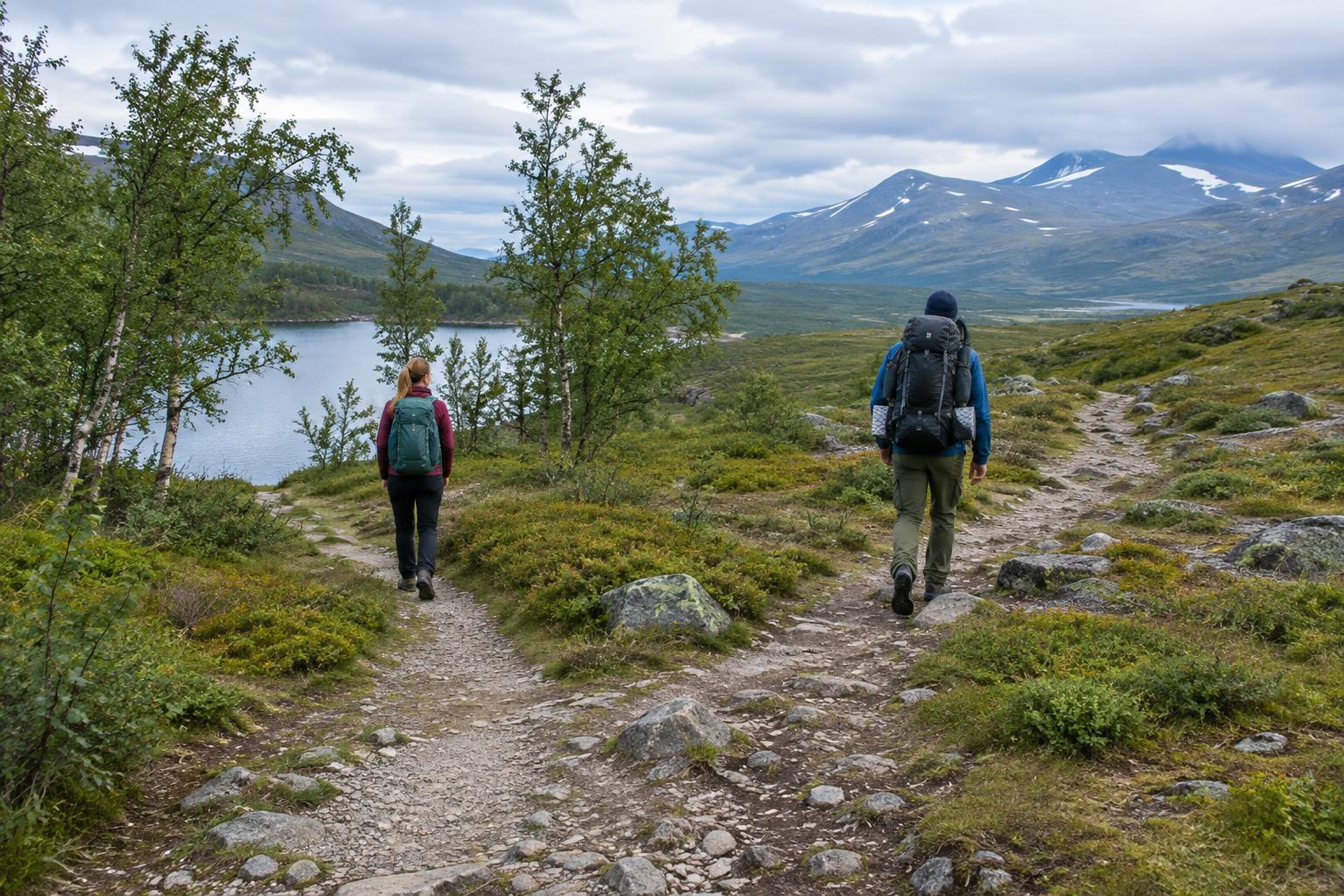
This can be a good time for visitors who enjoy watching a landscape wake up. Explore city neighbourhoods on foot, visit gardens as they begin to bloom, or choose lower-elevation trails once local conditions allow. Do not assume that every hiking route is dry or that every winter activity is still available. If your plans depend on a particular trail, boat service or attraction, check its operating season before building an itinerary around it.
Summer: long evenings and outdoor life
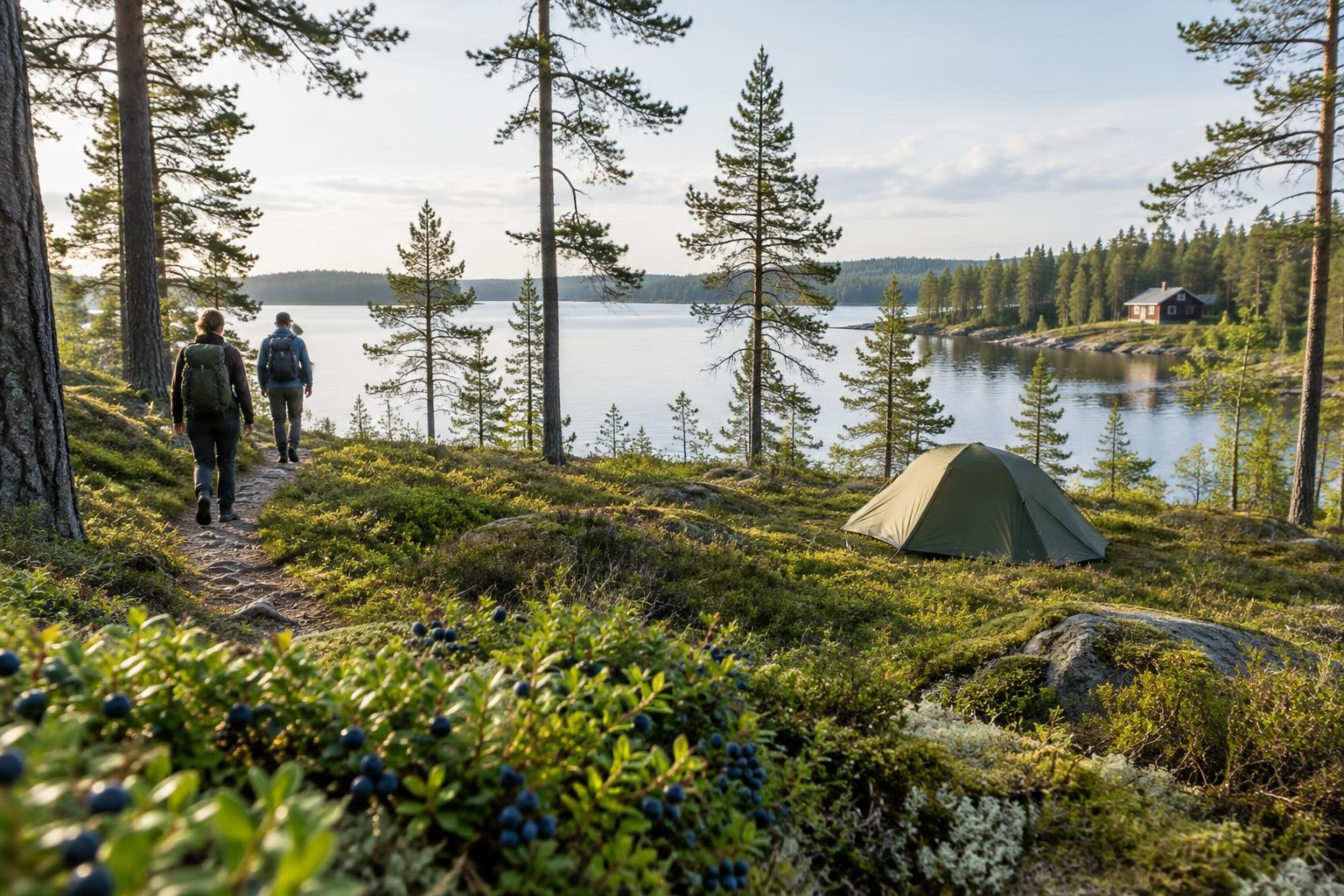
Summer is the most straightforward choice if your priorities are daylight and a wide range of outdoor activities. Long evenings leave time for a swim, a waterfront stroll or dinner after a day of sightseeing. In the far north, the midnight sun can make it tempting to keep going well past your usual bedtime; an eye mask may help if you prefer a dark room for sleep.
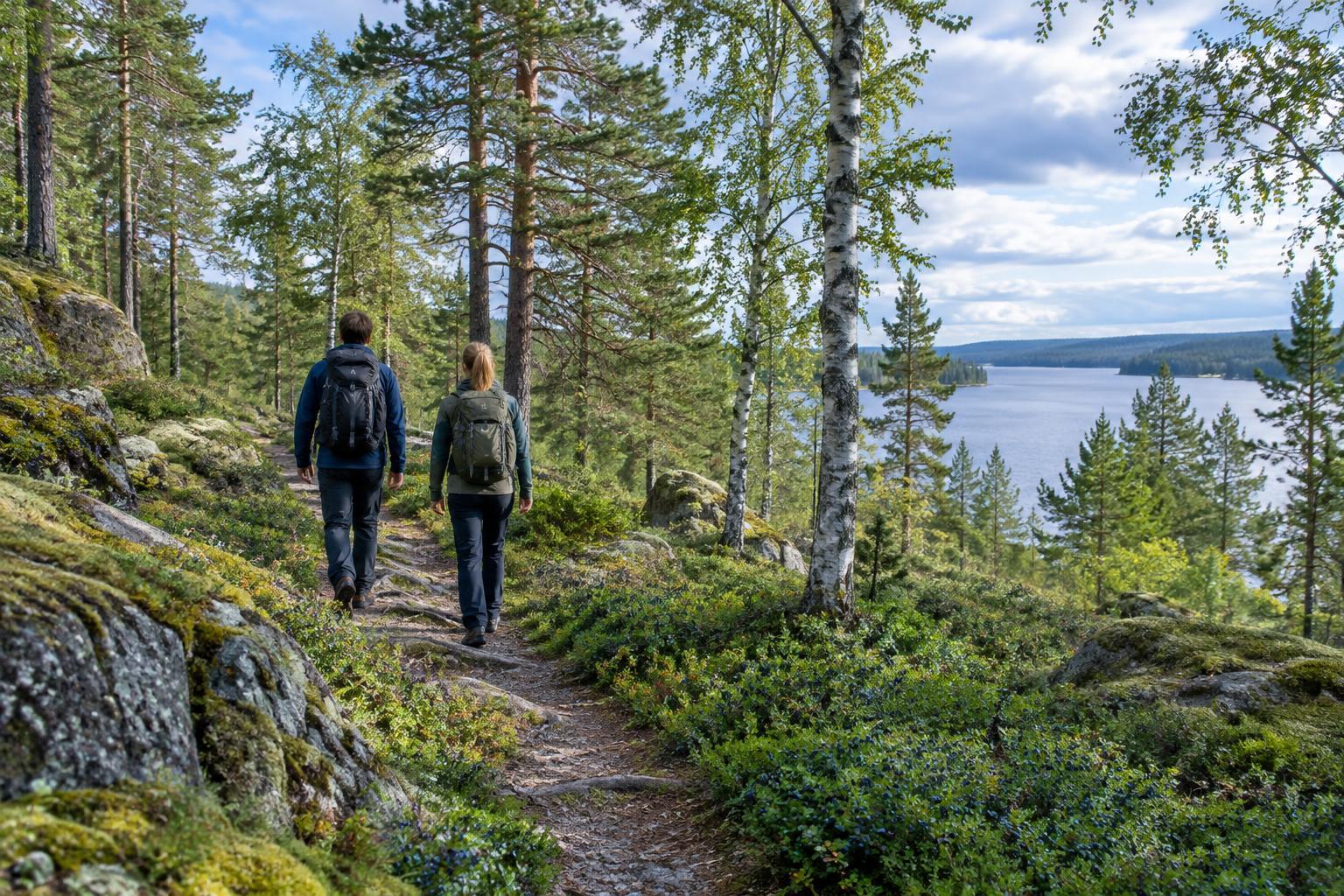
Coastal trips, lake outings, hiking and time in cafés or public parks fit naturally into a summer visit. Warm weather is possible, but it is not guaranteed, and rain or cool evenings can change plans quickly. Pack a light waterproof layer even if you expect sunshine. Popular destinations and accommodation may be busier during holiday periods, so a flexible route or advance booking can make the trip feel less rushed.
Autumn: colour, quieter days and earlier nights
Autumn suits travellers who like crisp walks, changing foliage and time indoors as well as out. The shift can be especially striking when you travel between regions: cooler conditions arrive earlier in the north, while the south may hold on to milder days for longer. Daylight shortens throughout the season, so start longer walks early and keep an alternative plan for wet weather.
A balanced autumn itinerary might pair a nature reserve or coastal path with museums, design shops and a relaxed meal. It is worth checking local conditions before heading onto remote trails, where rain, wind or early snow may affect footing and visibility. If you are hoping for a particular landscape colour, leave some flexibility in your schedule; seasonal changes do not follow a fixed timetable.
Winter: short daylight and distinct experiences
Winter can be memorable if you plan around its limited light. In northern Sweden, snow may support activities such as skiing and other guided outdoor excursions, depending on conditions and location. The north is also a place to hope for northern lights, but sightings depend on factors including darkness and clear skies, so treat them as a possibility rather than a promise. In southern cities, winter may bring rain, slush or cold days instead of a reliable snowy scene.
Plan outdoor sightseeing for the brightest part of the day and leave room for warm indoor stops. Sturdy footwear and clothing you can layer will be more useful than packing for one imagined temperature. For snow-dependent plans, confirm conditions and availability close to departure. If your main goal is a long, easy day outdoors, summer may suit you better; if you enjoy winter landscapes and cosy evenings, the shorter days may be part of the appeal.