Start with the route, not the season
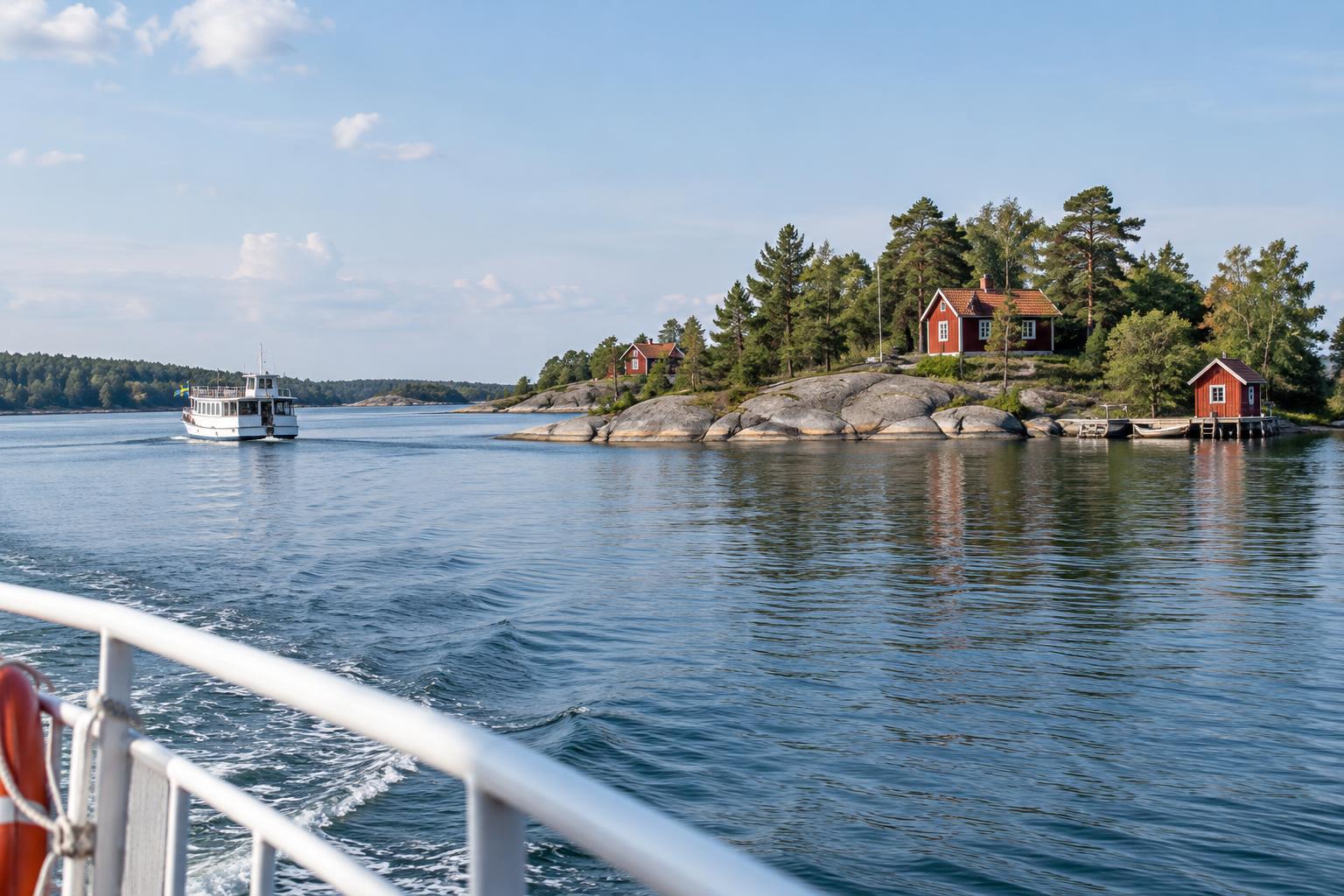
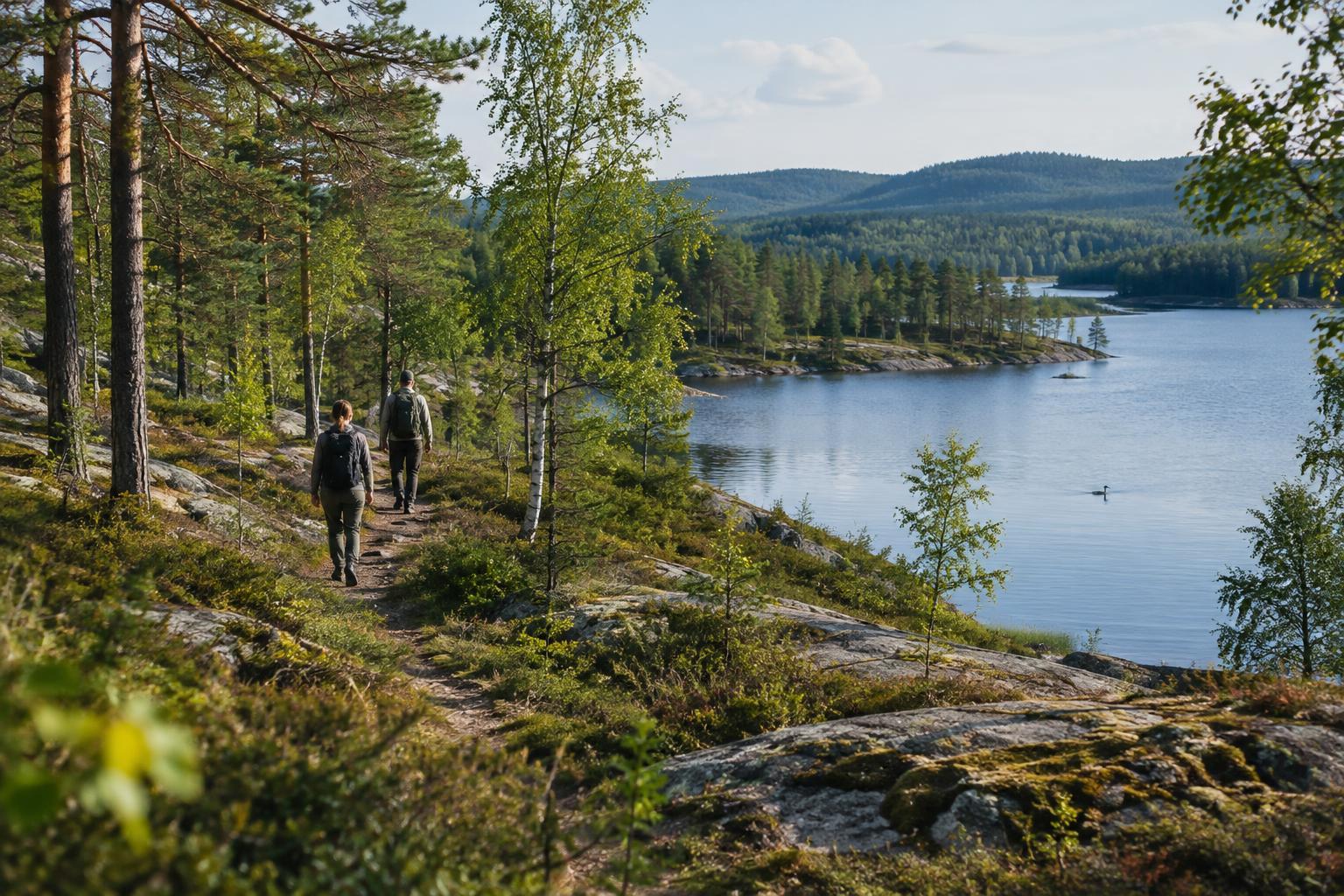
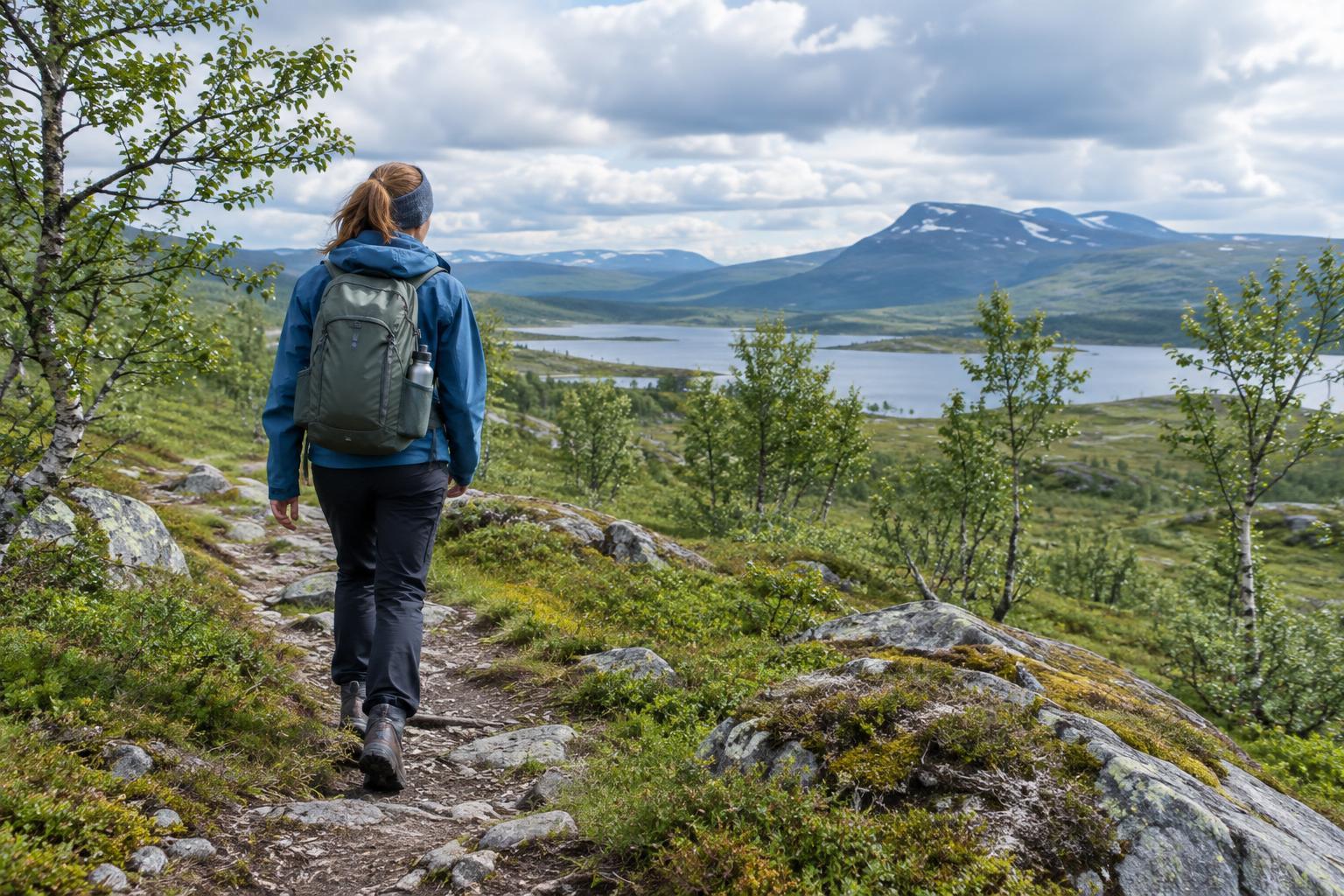
Summer hiking in Sweden can mean a short walk through woodland, a coastal trail exposed to wind or a long day in open mountain terrain. Your packing list should begin with where you are going, how long you expect to be out and how easily you can turn back. A sheltered afternoon walk calls for less equipment than a remote route with few places to stop.
Check the forecast before setting out, but leave room in your pack for conditions to change. Warm sunshine at the trailhead does not guarantee a dry or comfortable walk later, especially in exposed areas. Pack for the coolest, wettest conditions you could reasonably encounter on your route rather than the weather you hope to have.
Build a simple layering system
Start with a comfortable base layer that moves moisture away from your skin. A lightweight wool or synthetic top is useful when you are working hard, then slowing down for a break. Cotton can feel comfortable in dry weather, but it tends to stay damp once wet, so it is a less flexible choice for a long or changeable day.
Add an insulating layer you can put on when you stop or when the wind picks up. A light fleece or wool sweater may be enough for a gentle summer route; cooler mountain walks can call for a warmer layer. Keep it accessible rather than buried at the bottom of your bag. For your legs, choose comfortable trousers or shorts suited to the trail, and consider a spare dry pair of socks for longer outings.
Treat rain gear as everyday equipment
A waterproof jacket belongs in the pack even when the morning looks clear. Look for one that fits comfortably over your other layers and has a hood you can adjust in wind. On longer hikes or exposed routes, waterproof trousers can make the difference between a passing shower and hours spent walking in wet clothing.
Rain protection works best when the rest of your kit stays dry too. Use a pack liner or dry bags for spare clothing, food and anything else you cannot afford to soak. A backpack cover can shed some rain, but it may not protect every opening. Pack a small bag for wet items so a damp jacket does not soak your dry layer on the way home.
Choose footwear and small comforts for the terrain
Wear shoes you have already walked in, with grip appropriate for the path. Light trail shoes can suit maintained routes, while rough, muddy or rocky ground may make sturdier footwear more comfortable. Fit matters more than a particular style: shoes that rub on a short walk are unlikely to improve over a full day.
A sun hat, sunglasses and sunscreen are useful on open paths, even when the air feels cool. In wooded or damp areas, insect repellent and clothing that covers your skin can make breaks more pleasant. Bring any personal items you rely on, such as blister plasters, and keep a small first-aid kit where you can reach it.
Pack the essentials, then keep the load manageable
Carry enough water and food for your planned walk, with a little extra in case it takes longer than expected. Do not assume every stream is suitable to drink from or that refreshments will be available along the route. A charged phone is useful, but download route information before leaving and consider a map or other navigation backup where reception may be unreliable. A small headlamp is worth carrying if a delay could leave you walking in poor light.
Tell someone your intended route and when you expect to return, particularly if you are hiking alone or heading somewhere remote. Before you leave, check local trail information for access, conditions and any rules that apply to the area. The aim is not to carry every piece of equipment you own: it is to have dry layers, weather protection and the basics needed to handle a change of plan.
Sweden Culture Guide is an independent magazine about Sweden’s culture and landscapes, not a consulate or government service. This guide is intended to help you plan a more comfortable hike, not to replace route-specific information or your own assessment of conditions.