What does husmanskost mean?
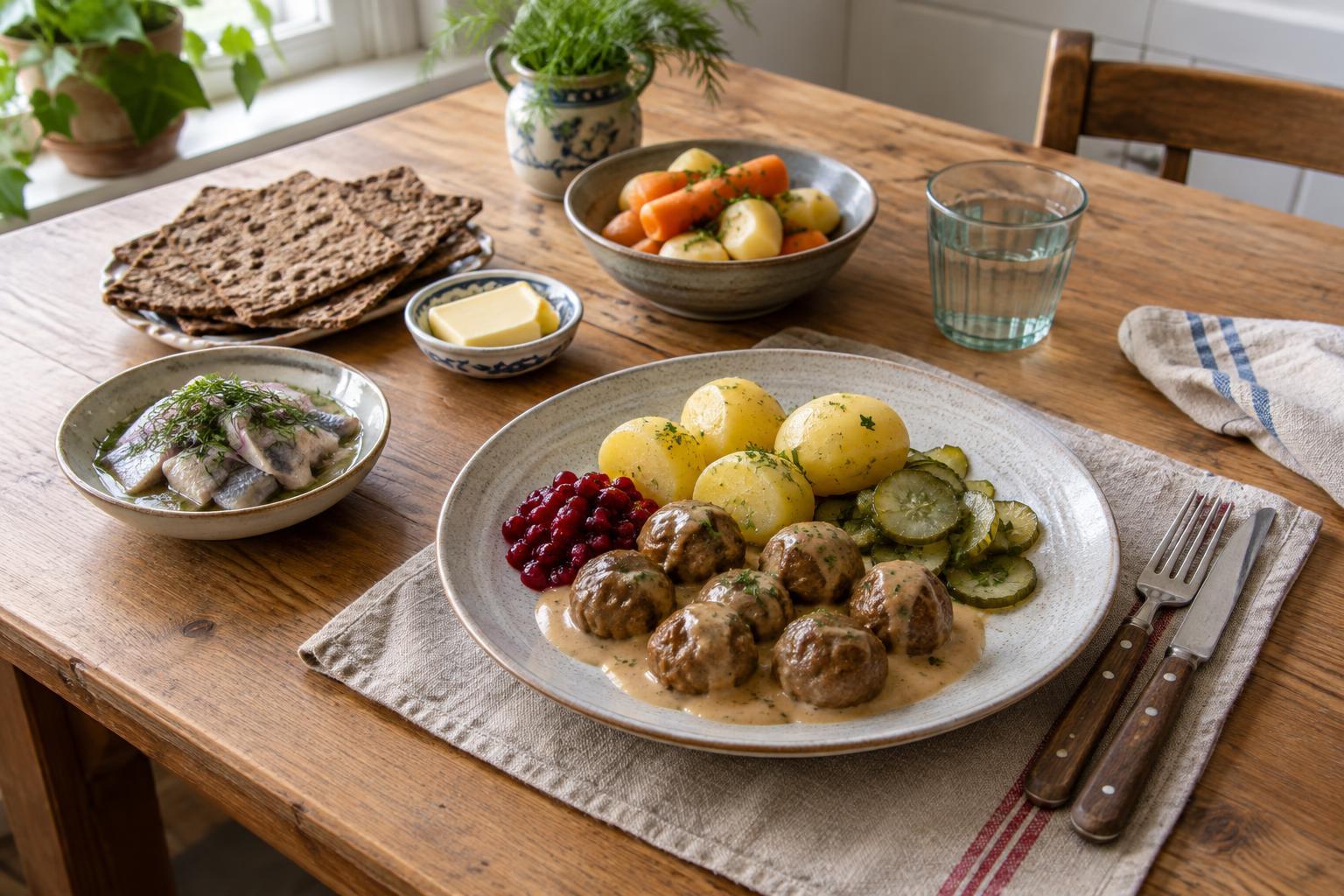
Husmanskost is a Swedish term for familiar, home-style food. It suggests a satisfying meal made from ordinary ingredients, rather than a dish reserved for a special occasion. Think potatoes, root vegetables, cabbage, grains, fish or meat, prepared in ways that make a modest set of ingredients filling and flavorful. A spoonful of lingonberry jam, a sharp pickle or a creamy sauce often provides contrast.
There is no single recipe book that defines husmanskost. Families, regions and cooks have their own versions, and the dishes found on a restaurant lunch menu may differ from those made at home. The useful idea for a beginner is practicality: this is food meant to be cooked, served and eaten without ceremony.
The flavors and ingredients to look for
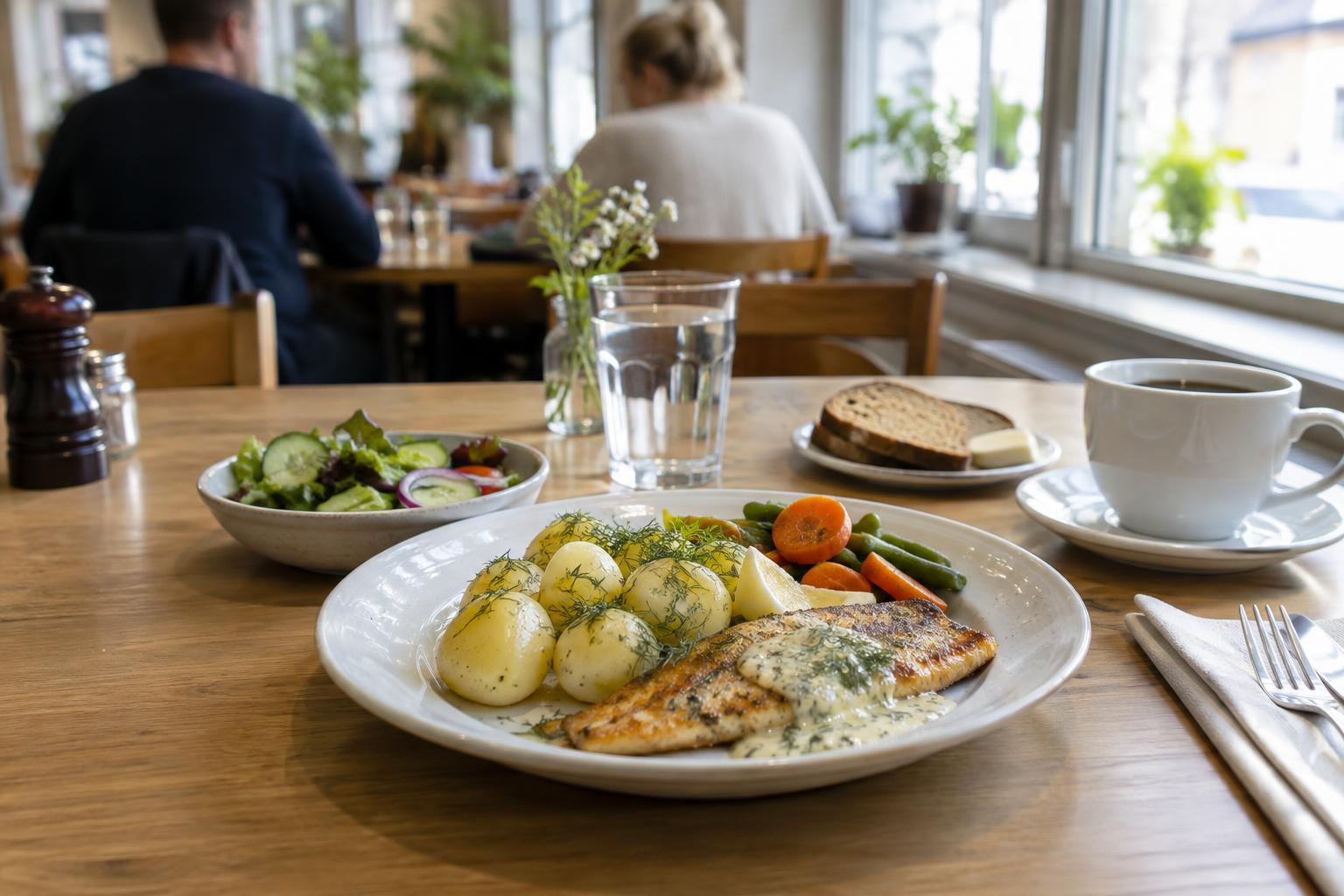
Potatoes are a helpful starting point. They may be boiled and served beside fish, mashed under a generous spoonful of sauce, or fried into crisp pancakes. Onions, carrots and other hardy vegetables appear in soups and stews. Butter, cream and pan juices can add richness, while mustard, vinegar, pickles and lingonberries keep a plate from feeling too heavy.
Preserving and making good use of leftovers also fit the home-style approach. Pickled vegetables offer a bright side dish, and yesterday’s cooked potatoes can become part of a new meal. These are tendencies, not rules: a dish can feel like husmanskost without including every familiar Swedish ingredient.
Five dishes that make a good introduction
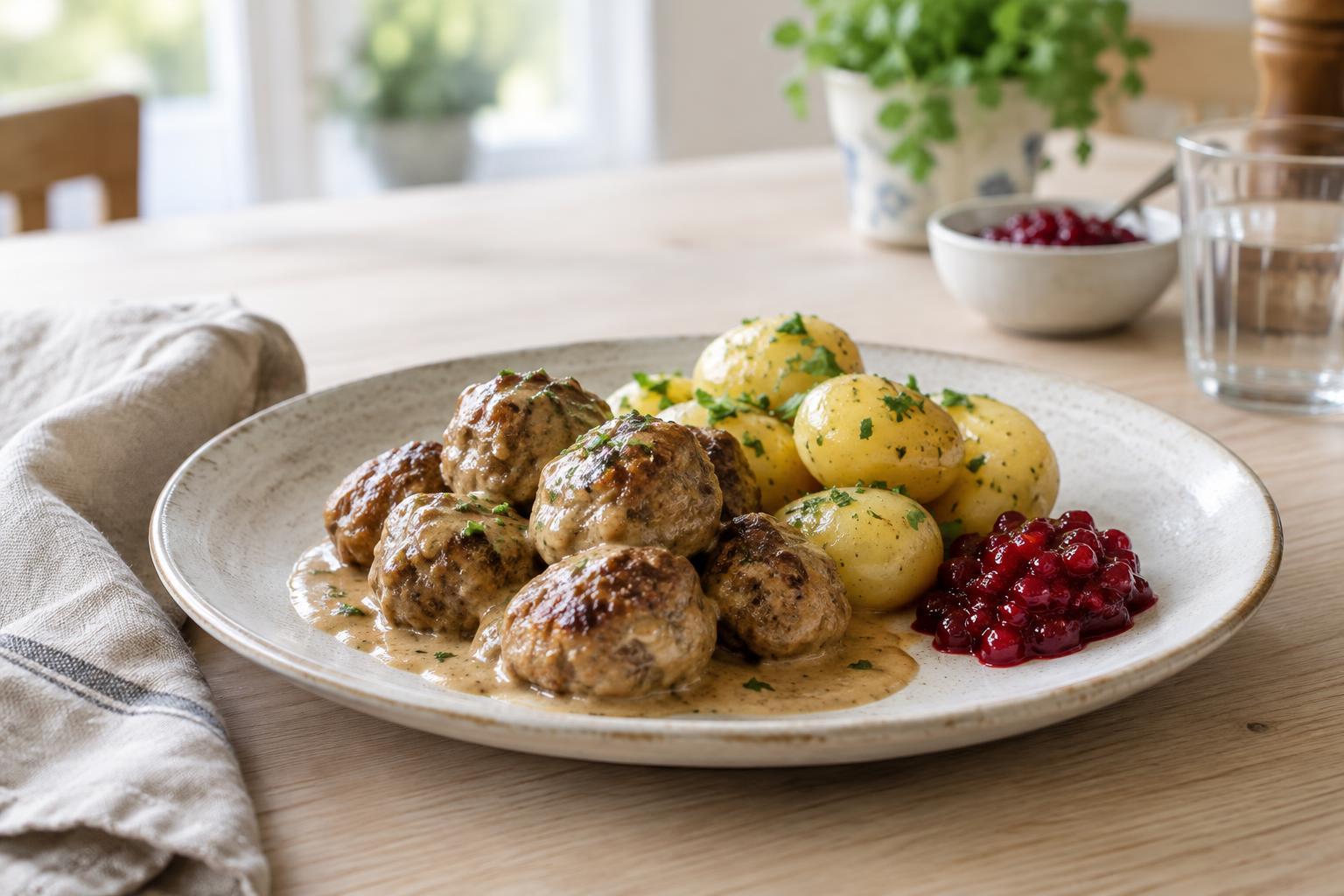
Swedish meatballs, or köttbullar, are an approachable first taste, often paired with potatoes, sauce and lingonberries. For something made in one pan, try pytt i panna: small pieces of potato and onion fried with other ingredients, commonly including leftover meat, and often topped with an egg. Its flexible nature captures the practical spirit of home cooking.
Raggmunk are potato pancakes that are commonly served with fried pork and lingonberries. Kalops is a gently cooked beef stew, typically seasoned with allspice and served with potatoes and pickled beets. Ärtsoppa, a yellow pea soup, is another familiar dish; its association with Thursdays is a tradition you may encounter, not a rule every household follows. Together, these examples show that husmanskost can be crisp, saucy, simmered or spoonable.
How to put together a home-style Swedish meal
You do not need to cook several traditional recipes at once. Begin with one main dish, add potatoes or another filling staple, then choose a contrasting side. A rich stew benefits from pickled beets; potato pancakes welcome the tartness of lingonberries. If you cannot find lingonberry jam, another tart fruit preserve can create a similar contrast, even though it will taste different.
Keep the method manageable. Boil potatoes while a stew warms, or use cooked potatoes to make a simple hash with onion and whatever suitable vegetables you have. A vegetarian version may not match an older recipe, but it can follow the same useful pattern: make everyday ingredients satisfying, then balance richness with something sharp or fresh.
An everyday tradition, not a fixed menu
Husmanskost is best understood as a broad style of cooking, not a checklist of dishes every Swedish person eats. Some people may remember particular meals from childhood; others may meet them first in a café or lunch restaurant. Regional preferences, household habits and personal tastes all shape what ends up on the plate.
Sweden Culture Guide is an independent culture magazine, not a consulate or government service. Our aim here is to make an everyday food tradition easier to explore. Start with a dish that appeals to you, notice how its components balance one another, and adapt it to your kitchen. That practical, welcoming approach is a fitting way to get acquainted with husmanskost.