Start with the landscape, not a checklist
Sweden is long enough that a trip can feel quite different depending on where you spend it. In the south, fields, beaches, towns and short hops between destinations can shape the day. Farther inland, lakes and forests invite a slower rhythm. In the north, journeys often cover greater distances, and daylight becomes a bigger part of the experience.
These are useful broad strokes, not firm borders. Each area contains cities, quiet villages and varied terrain. Choosing a region is less about finding the one “real” Sweden than deciding what you want to do when you wake up: browse a town, swim in a lake, walk among trees or set out into a more expansive landscape.
Sweden Culture Guide is an independent magazine about culture and travel, not a consulate or government service. This guide is intended to help you picture a journey, rather than provide official travel services.
The south: coastlines, towns and easy variety
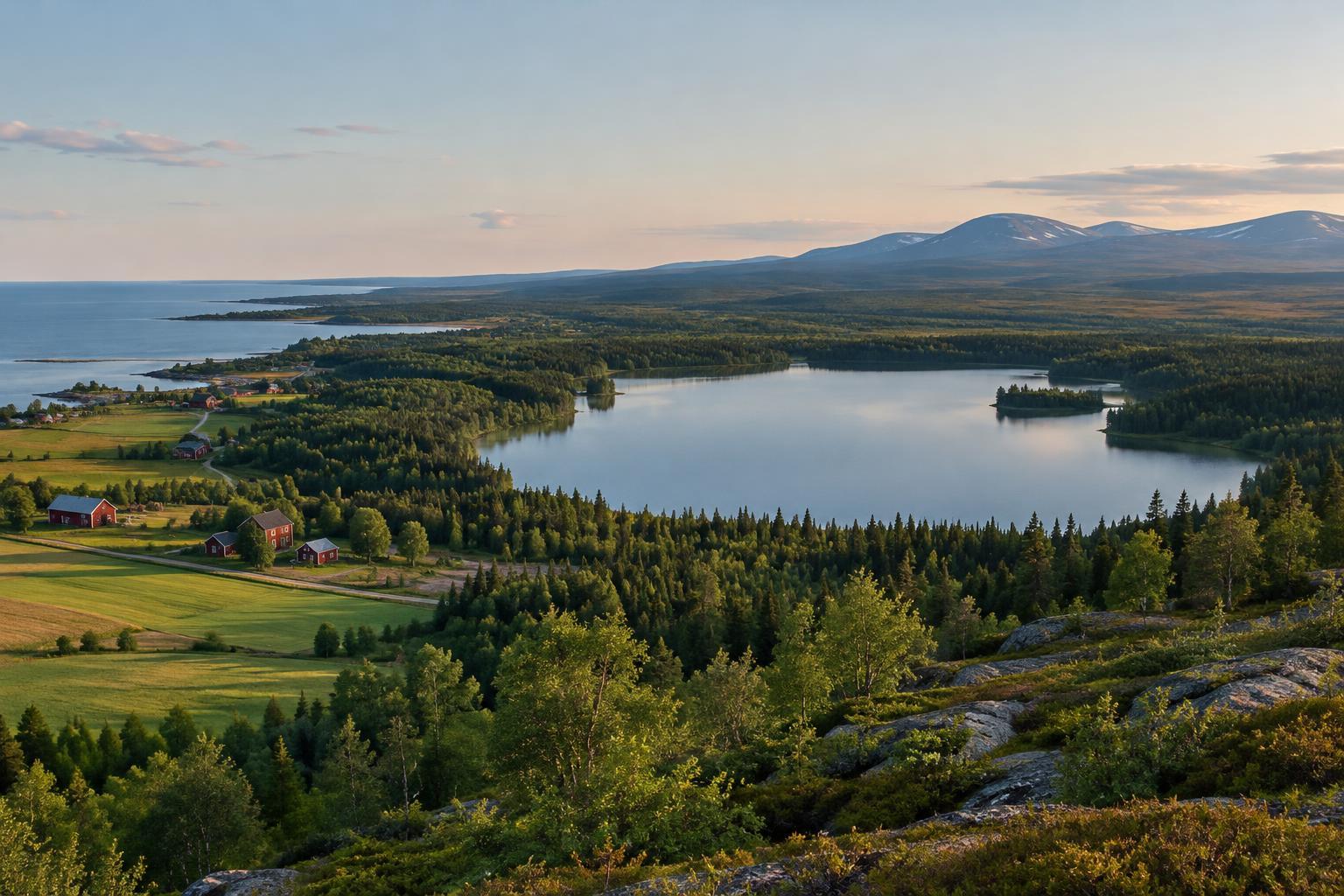
Southern Sweden suits travelers who like to combine nature with cafés, museums, gardens and meals in town. Skåne offers farmland, sandy stretches and coastal communities; nearby parts of the south bring wooded areas, rocky shores and islands into the mix. You can plan days around one base or move between places without making every transfer the main event.
The south is a good starting point if you want your outdoor time to be flexible. A seaside walk can fit around a town visit, and a rainy day need not derail the whole trip. Summer encourages long evenings outdoors, while spring and autumn can make walking and town exploring appealing without relying on beach weather.
It is still worth choosing a focus. A coastal itinerary, a food-and-design trip and a countryside stay will have different rhythms, even within the same region. Check the connections between the specific places on your list rather than assuming that everything in southern Sweden is close together.
Central Sweden: lakes, forests and room to slow down
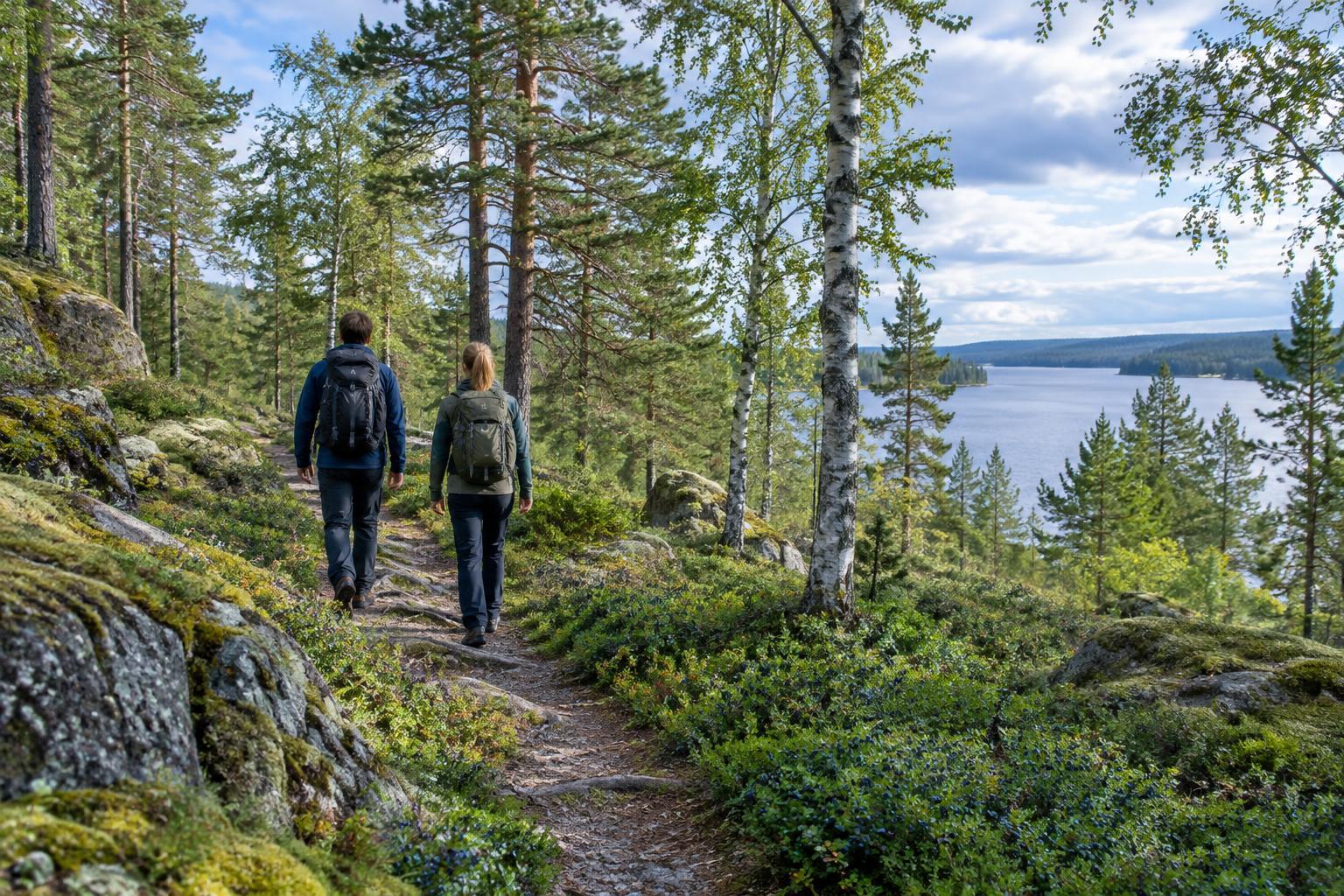
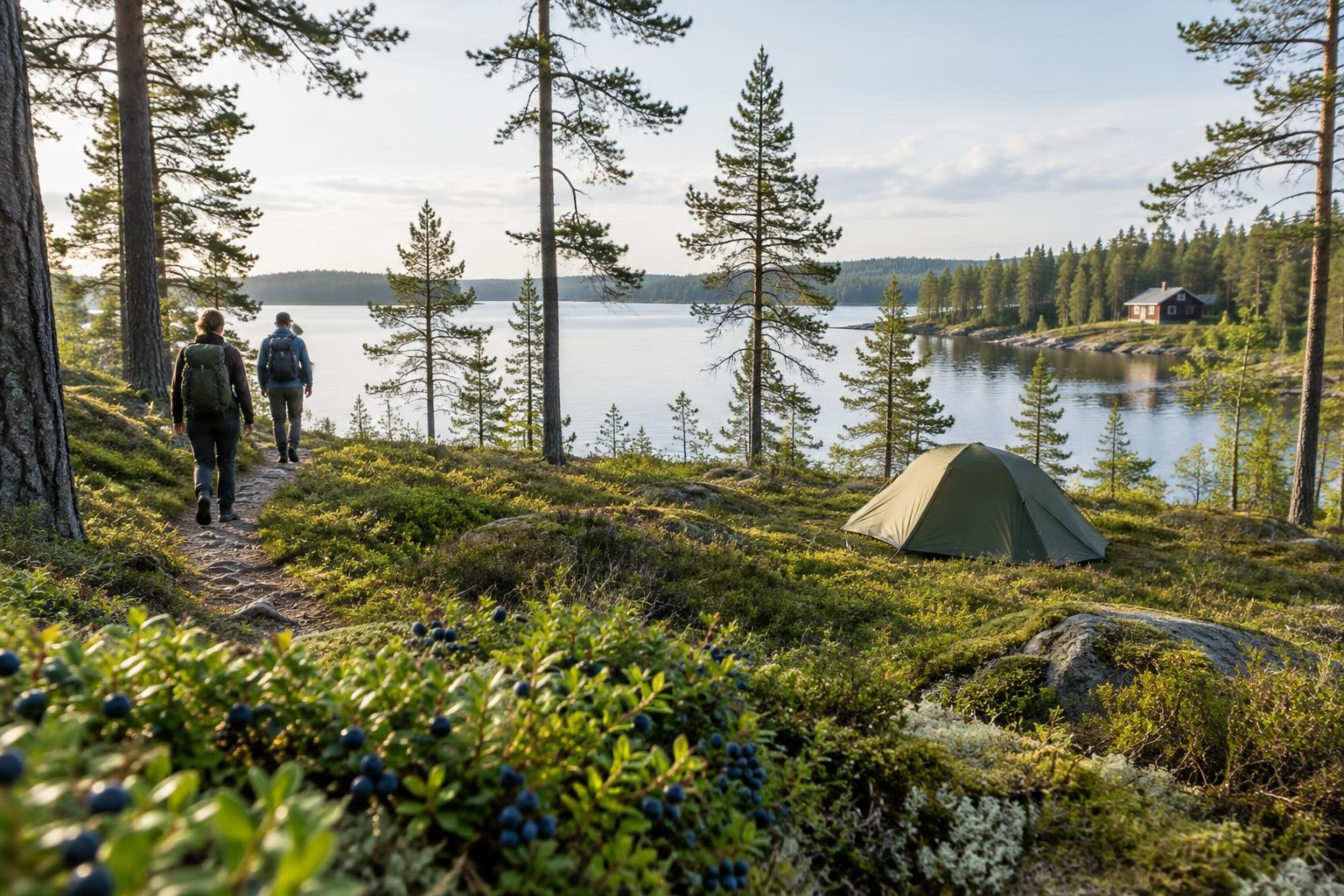
Between the southern plains and the far north lies a broad range of lake and forest landscapes. Areas such as Värmland and Dalarna can appeal to visitors who want cabin time, gentle walks, canoeing where suitable, or the simple pleasure of staying near water. Towns and villages provide places to pause, shop and learn about local traditions, but the landscape often sets the pace.
This is a strong choice for a trip built around one or two bases. Instead of changing beds every night, you might spend several days exploring nearby trails, swimming spots and small communities. That approach leaves room for weather changes and for the unplanned afternoon that turns out to be the best part of the visit.
Do not assume that a forest destination means effortless access to every activity. Distances between a station, accommodation and a trailhead may matter, and seasonal services can vary. If you will not have a car, select your base with particular care and confirm how you will reach the outings that interest you.
The far north: scale, light and careful planning
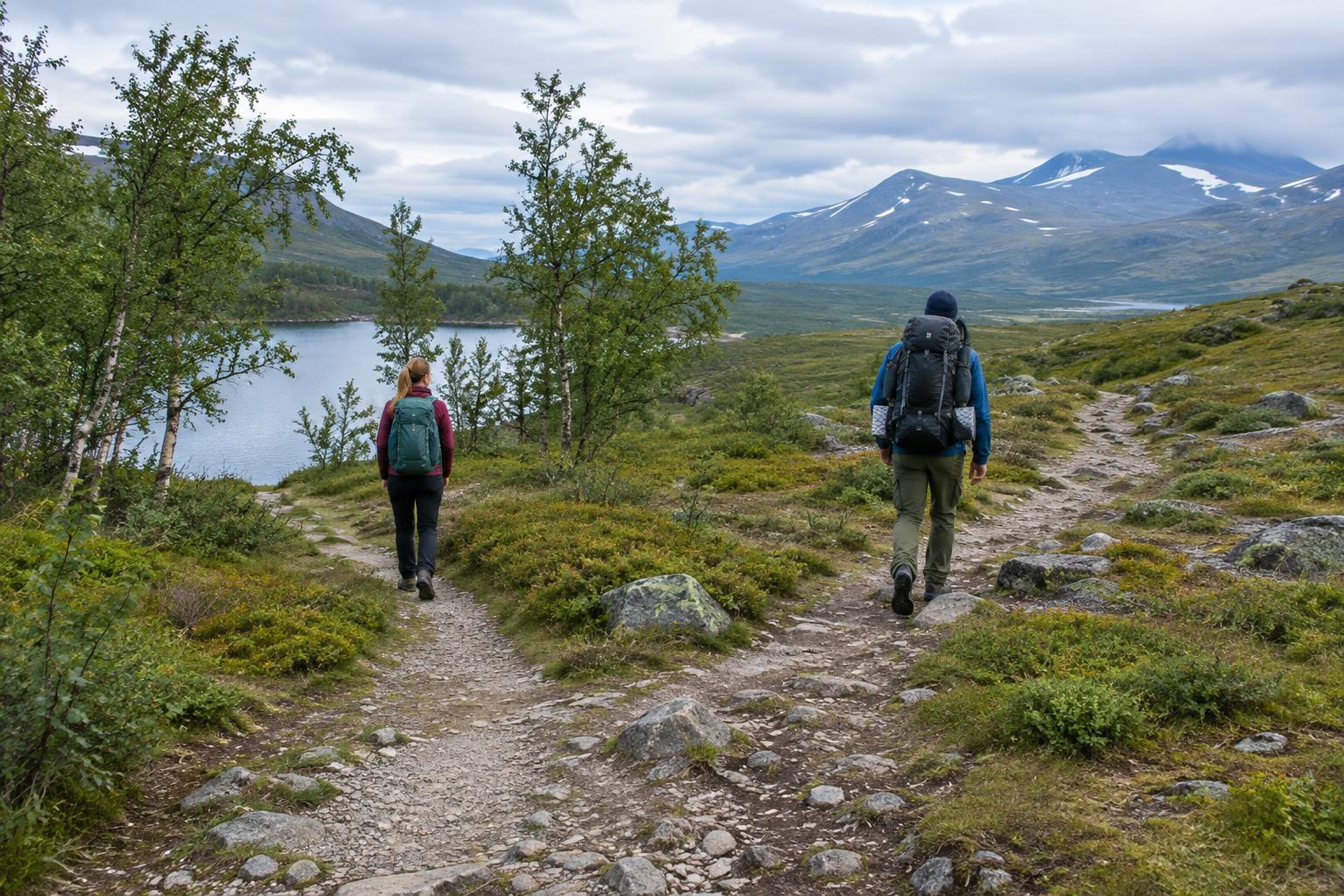
Northern Sweden offers landscapes on a different scale, from forests and rivers to mountain areas farther west. It can suit travelers drawn to hiking, winter activities, quieter roads and the striking seasonal changes in light. Summer days are exceptionally long in the far north; winter brings short daylight hours and conditions that require more preparation.
The reward is space, but the trade-off is time. A place that looks like a natural addition to your route may involve a long transfer or limited onward options. Build an itinerary around a manageable area rather than trying to collect distant stops. For outdoor plans, match the route to your experience, equipment and the likely conditions, and leave room to change course.
The north is also home to Sámi communities and living Sámi culture. If that is part of your interest, look for experiences led by Sámi people rather than treating their traditions as scenery. A thoughtful trip makes space for the people who live in a landscape as well as the views that draw visitors to it.
How to make the choice
Choose the south if you want varied days, coastal scenery and towns within the same trip. Choose a central forest-and-lake base if rest, water and unhurried outdoor time are the priority. Choose the far north if the landscape and seasonal light are central to your plans and you are comfortable devoting more time to travel and preparation.
Then consider the season and the number of nights you have. A short visit usually benefits from fewer bases, wherever you go. If a particular activity matters most—swimming, hiking or experiencing winter—check what is practical in your chosen area at the time of year you intend to visit. The best region is not the one with the longest list of attractions; it is the one that gives you enough time to enjoy being there.