Two kinds of protected landscape
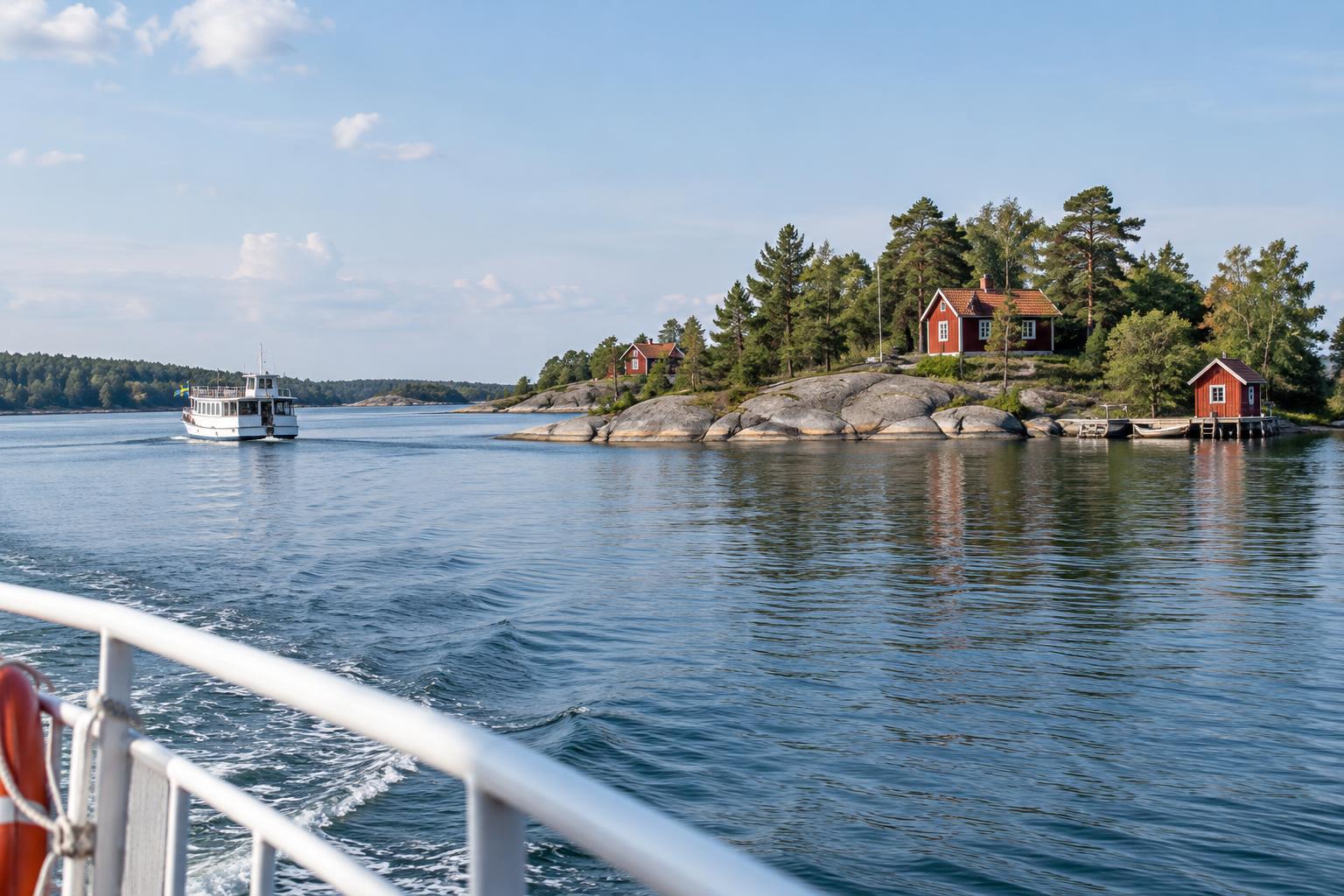
Sweden’s national parks and nature reserves offer many ways to experience the country’s landscapes. A visit might mean a short walk through woodland, a day beside the coast or a longer hike in mountain terrain. The word “protected,” however, does not tell you what facilities to expect or which activities are permitted. The best starting point is to learn about the particular place you plan to visit.
National parks protect landscapes considered especially important as examples of Sweden’s natural heritage. Nature reserves also protect valuable environments, but they vary widely in size, purpose and character. A reserve may be managed to support wildlife, conserve an old-growth forest or give people access to nature near a town. Neither designation guarantees an easy trail, a visitor centre or public transport to the entrance.
This is an independent culture and travel guide, not a consulate or government service. For authoritative visitor rules, use the information published for the specific park or reserve before setting out.
Public access does not replace local rules
Sweden’s right of public access, known as allemansrätten, makes it possible to spend time in much of the countryside, provided you do not disturb others or damage nature. Protected areas can have additional restrictions. Depending on the site, these may affect where you can walk, camp, cycle, light a fire, bring a dog or collect plants. Some places also restrict access to sensitive areas during parts of the year.
Read the rules for your chosen destination rather than assuming that a practice allowed elsewhere is allowed there. Check signs at the entrance as well as information available before your trip: a route may pass from ordinary countryside into a reserve with different requirements. If you are travelling with a dog, look for instructions about leads even if the dog normally stays close to you.
Fire deserves particular care. A designated fire site is not a promise that lighting a fire will always be appropriate or permitted. Conditions and restrictions can change, so check what applies at the time of your visit. A packed meal that needs no cooking is a simple alternative when you are unsure.
Choose a route that fits your day
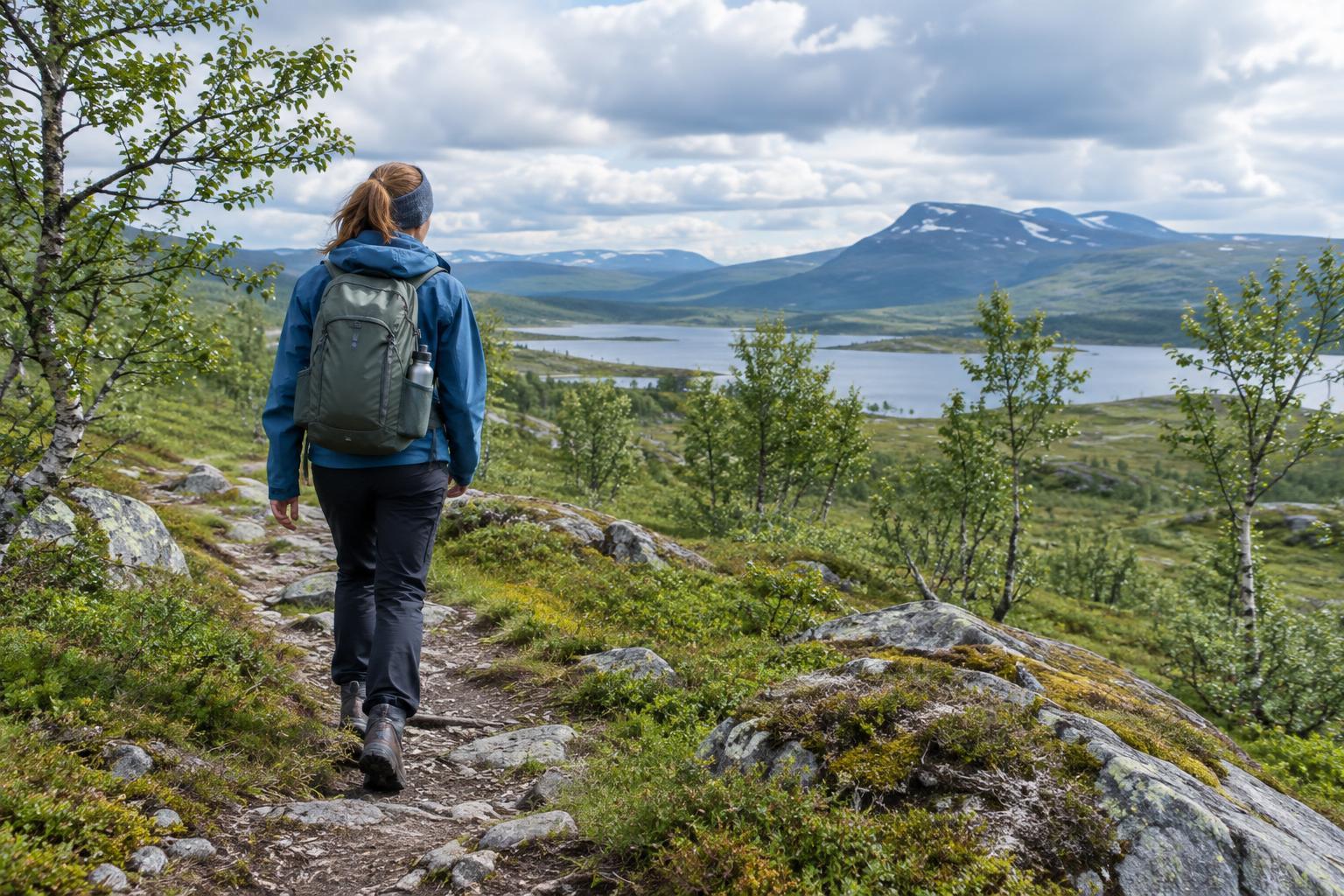
A useful plan begins with distance, terrain and access, not just a photograph of the destination. Check where the trail starts and ends, whether it forms a loop, and how you will return. A path through boggy ground, over rock or across exposed hills can take more time than the same distance on a smooth track. If you depend on buses or trains, confirm the connection for both your outward and return journeys.
Facilities differ. Some popular entrances have toilets, marked paths and information boards; quieter areas may have little beyond a trail marker. Bring a map you can use without a mobile signal, enough water and food for your plan, and clothing that can handle a change in weather. Let someone know your intended route if you are heading somewhere remote, and be willing to shorten the walk if conditions or daylight make the original plan unwise.
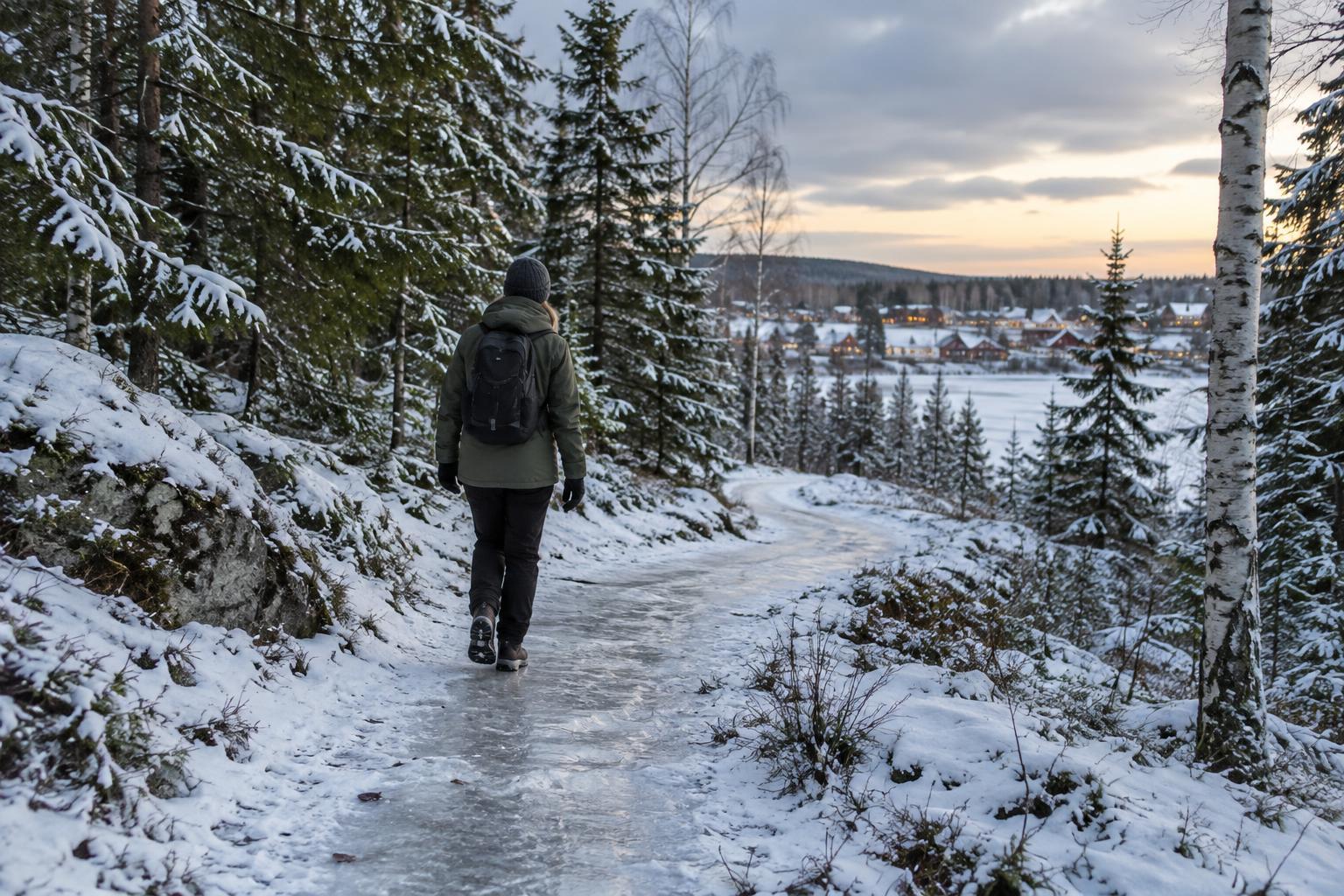
Seasons change the experience substantially. Summer may offer long daylight hours but also insects and crowded paths in well-known areas. Rain can make wooden boardwalks and rocks slippery. In colder months, snow and ice may hide trail markings or make an otherwise straightforward route demanding. Choose a trip for the conditions you are likely to meet, not only for the season shown in a guidebook image.
Make room for wildlife and other visitors
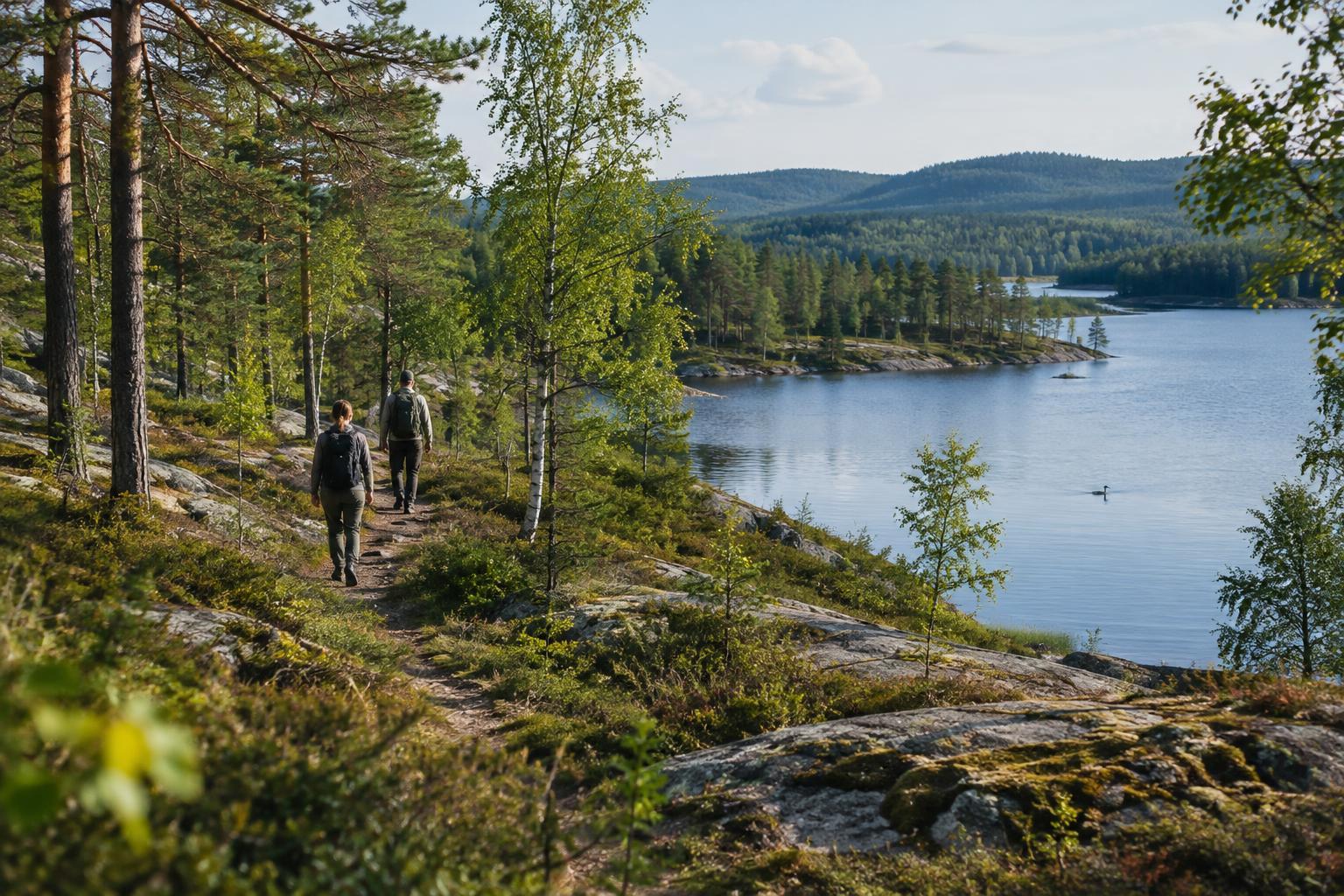
A quiet approach often makes a nature visit more rewarding. Stay on marked paths where requested, give animals space and avoid approaching nests or feeding wildlife. In fragile areas, stepping around mud can widen a damaged trail; following the marked route may be the kinder choice. Take litter home, including food scraps, and leave plants, stones and other natural features where you found them.
Considerate travel also helps preserve the character of a place. Keep noise low, allow others to pass on narrow trails and use established places to rest when available. If a viewpoint or picnic spot is busy, a little patience—or a pause farther along the path—can make the visit more pleasant for everyone.
A good visit starts with one specific place
Rather than trying to see every type of Swedish landscape at once, choose a park or reserve that suits your time, experience and transport. Find its current visitor information, note any local restrictions and select a route with a comfortable margin for breaks. That preparation leaves more attention for what makes the place distinctive: the sound of a wetland, a stretch of pine forest or a change in light along the shore.
Protected areas are not all alike, and that is part of their appeal. Visiting thoughtfully means adapting to the place in front of you—its terrain, its rules and its other inhabitants—rather than expecting every destination to work the same way.