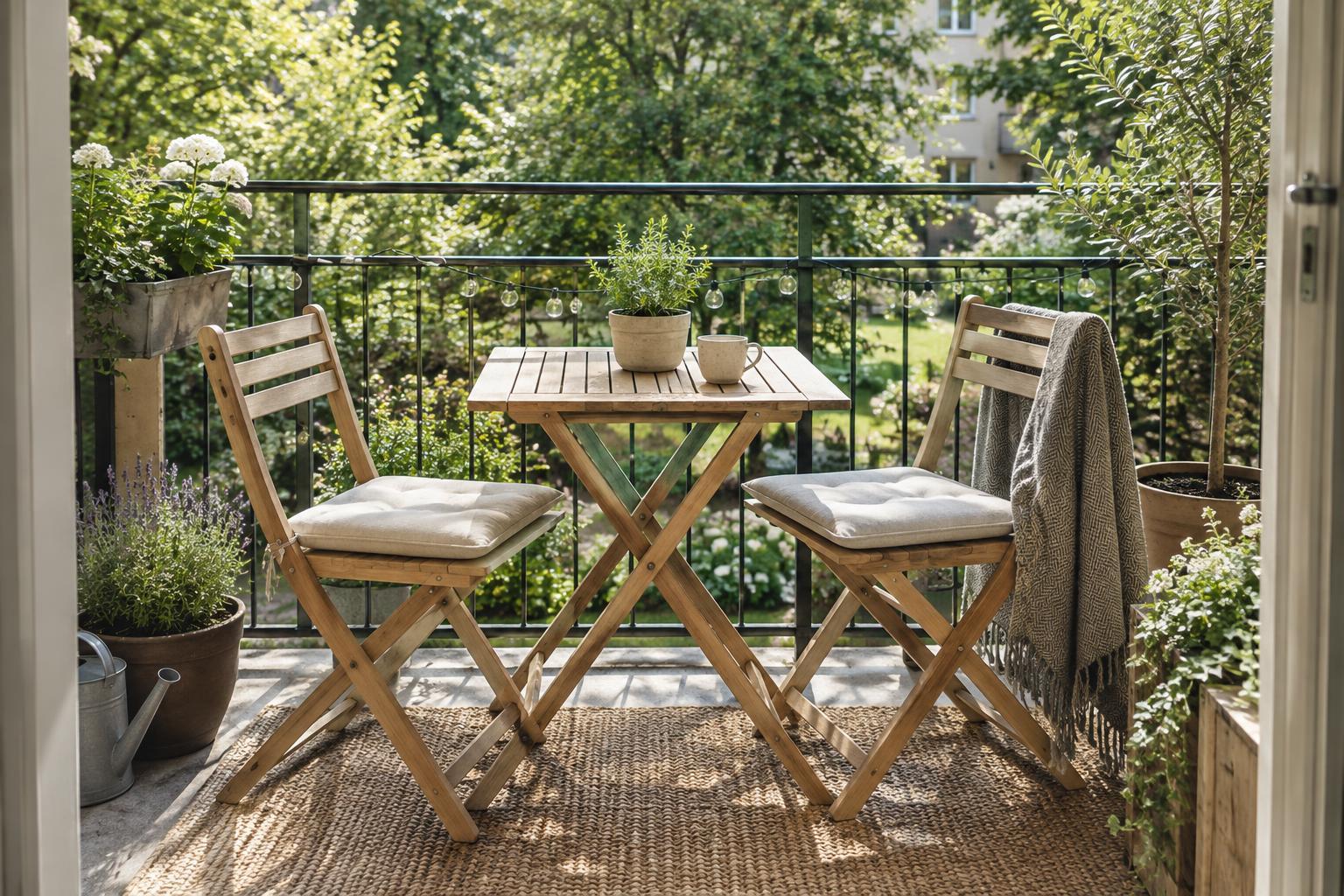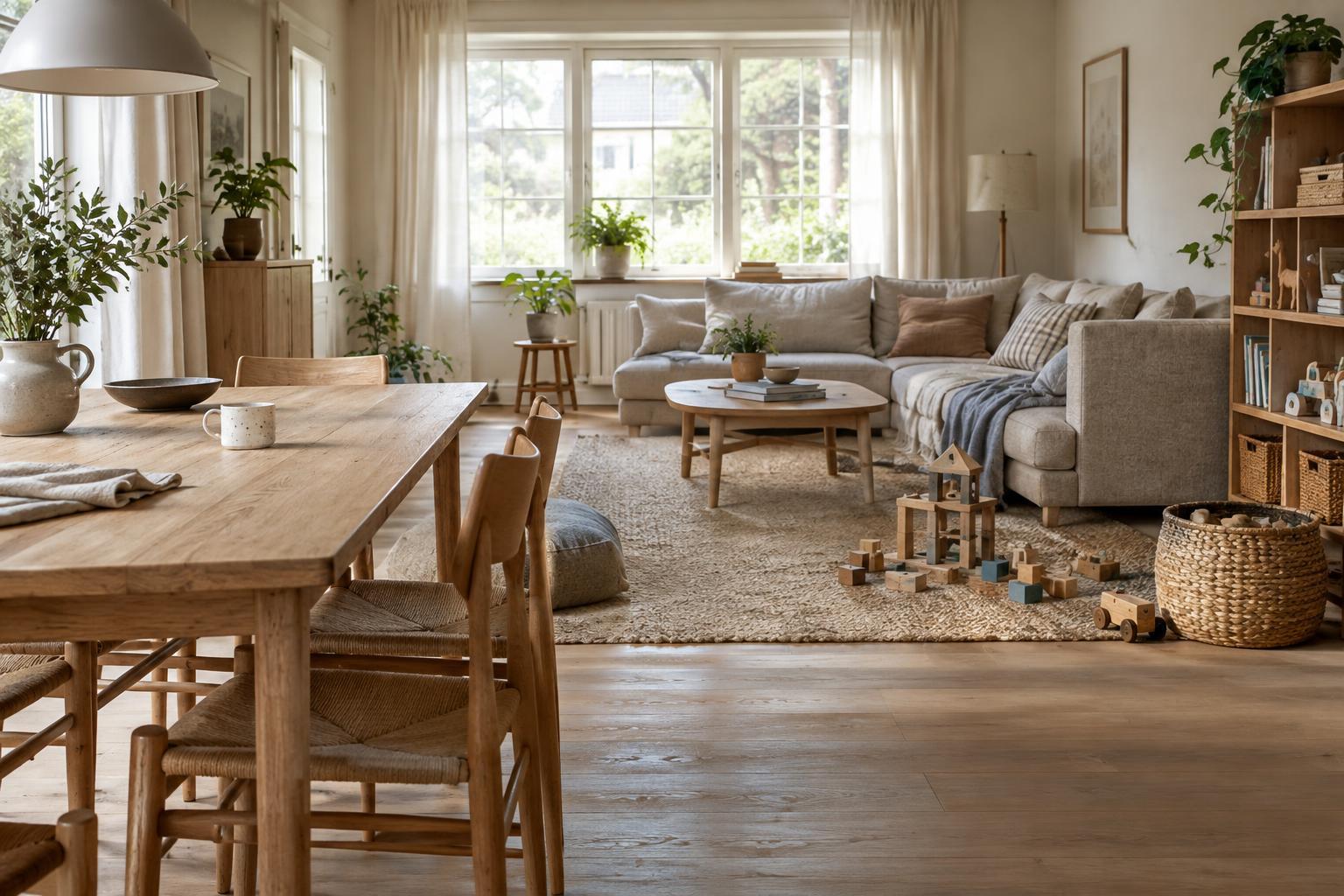
Start with the way you use the room
The most useful storage plan begins with ordinary movements: where you put your keys, take off your shoes, open the mail and reach for a blanket. In a small apartment, an inconvenient cupboard often becomes empty while a nearby chair gathers everything that should be inside it. Before buying containers, notice where clutter collects for a few days. Those spots tell you where storage needs to go.
Swedish apartment interiors are often admired for their calm appearance, but a practical lesson lies beneath the look: give frequently used things an easy place to return to. A tray near the door may do more work than another shelf across the room. Keep less-used items farther away, and reserve the most accessible spaces for objects you handle every day. The goal is not a perfectly bare home; it is a home that is easy to reset.
Make the entryway do more
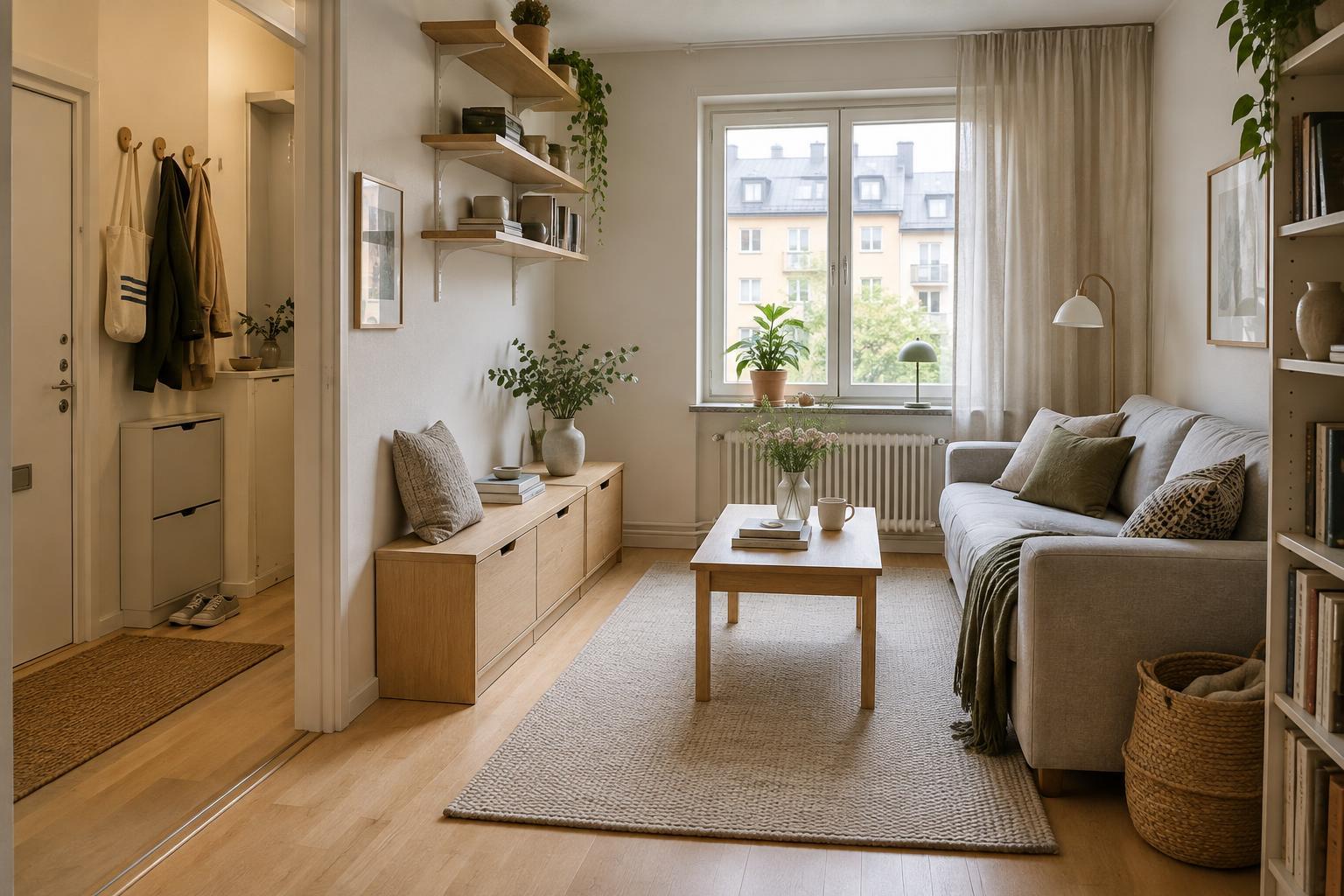
Even a narrow entry can serve as a useful landing zone. A row of hooks at comfortable heights can hold coats, bags and a shoehorn without taking up floor space. A slim shelf above the hooks can accommodate hats or baskets, while a shallow shoe rack leaves a clearer path than a pile of footwear. If there is no room for a bench, a small wall-mounted ledge can still provide a place to set down keys.
Choose storage for the entry you actually have, not for an idealized hallway. An open rack is quick to use but can look busy when overloaded; a closed cabinet hides visual clutter but needs clearance for its doors. Limiting the area to the coats and shoes in current use helps either option work better. Seasonal items can move to a higher shelf, under a bed or another less convenient spot.
Use height without filling every wall
Wall space can free valuable floor area, particularly around a desk, sofa or bed. Shelves above eye level are well suited to books or supplies you do not need daily. Rails and hooks can bring utensils within reach in a kitchen or keep towels off a bathroom floor. In a rental, check what you are permitted to mount, use appropriate fixings for the wall and keep heavy objects where they can be supported safely.
More shelving is not always better. A small room benefits from some uninterrupted wall space, which gives the eye a place to rest. Group shelves where they solve a clear problem rather than scattering them wherever there is a gap. Matching a shelf's depth to its contents also matters: a shallow shelf for small objects is less intrusive than one that projects far into a walkway.
Ask furniture to earn its footprint
When floor space is limited, furniture with more than one useful role can be a sensible choice. A bed with accessible drawers may replace a separate chest; a storage bench can hold spare linens while offering a seat. A small table that folds or extends can accommodate guests without occupying the same area every day. These pieces are helpful only if the storage remains easy to open once the room is furnished.
Measure before committing, including the space needed to pull out drawers, lift a lid or walk past a table. Also consider what belongs inside. Under-bed storage is convenient for spare bedding but less appealing for things you need several times a day. Giving each compartment a defined purpose prevents a clever piece of furniture from becoming a place to postpone decisions.
Keep the system simple enough to maintain
Boxes and baskets can make open storage feel quieter, especially when they hold a single category of items. Labels help with containers you cannot see into, but there is no need to label every drawer. Leave a little spare room where possible: storage packed to the edge is harder to use and easier to abandon. If an item never returns to its assigned place, move that place closer to where the item is used.
A compact apartment does not need to imitate any particular Swedish interior to benefit from these ideas. Start with one troublesome area, remove what no longer needs to live there and try the simplest storage change first. Sweden Culture Guide is an independent magazine, not a consulate or government service; this design guide is intended as inspiration for making everyday space more comfortable.