A living culture across Sápmi
Sámi people are Indigenous to Sápmi, a region that extends across northern parts of Sweden, Norway and Finland, and into Russia’s Kola Peninsula. In Sweden, Sámi culture is often introduced through northern landscapes and reindeer herding. Those are important parts of many people’s lives and histories, but they are not a complete picture. Sámi people also live in towns and cities, work in many professions and express their identities in different ways.
There is no single Sámi language or uniform set of customs. Languages, family histories and practices differ across communities, and traditions change as people carry them into the present. A useful starting point is to ask whose perspective you are hearing. An account of one person’s experience can be valuable without standing for every Sámi person.
Language, making and music
Sámi languages hold knowledge about relationships, places and everyday life. Several Sámi languages are spoken in Sweden, and they are distinct languages rather than regional versions of Swedish. Learning a place name or a few words can open a door to that history, but pronunciation and meaning are best learned from speakers and Sámi-led resources.
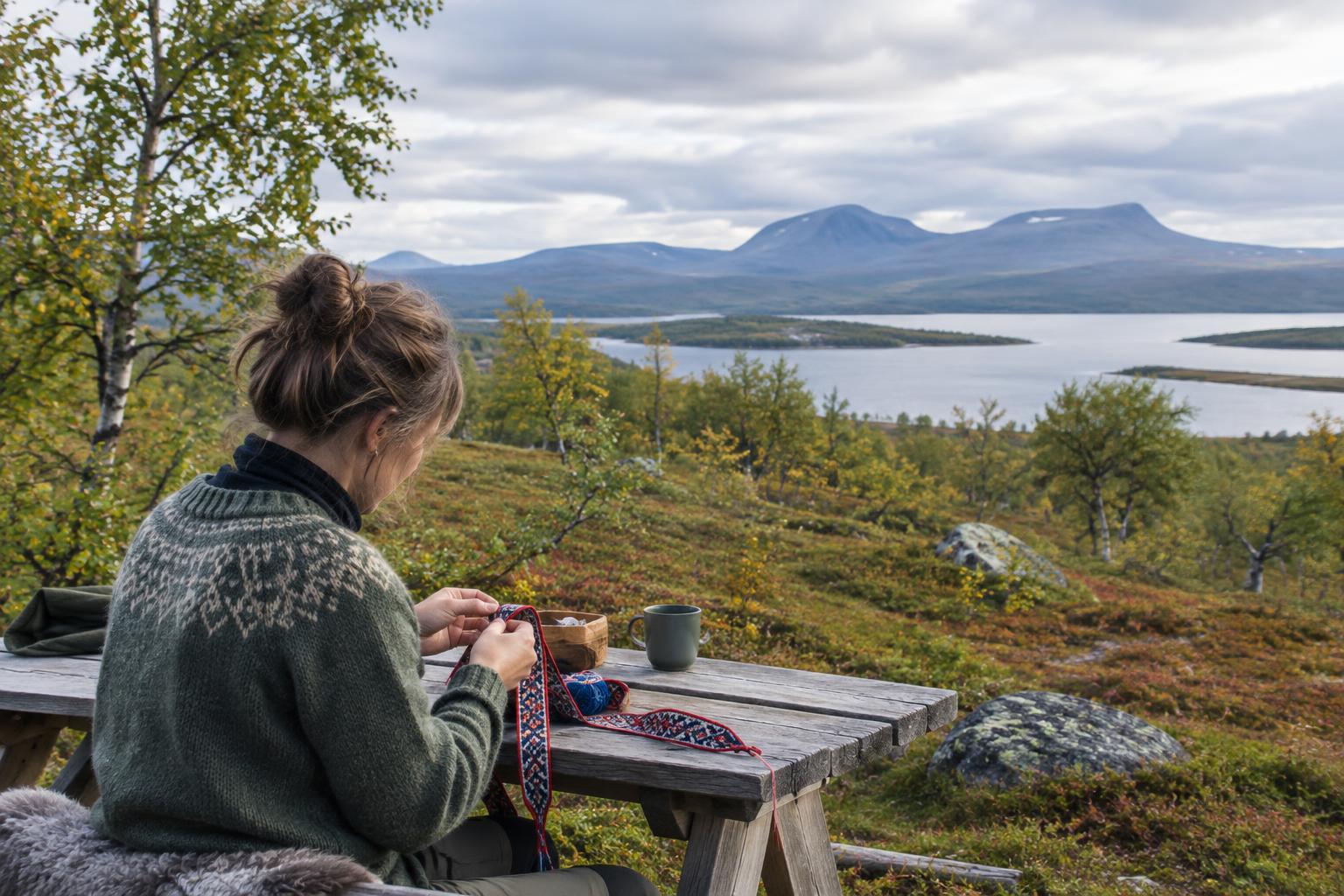
Creative traditions offer other ways to encounter Sámi perspectives. Duodji, often described as Sámi craft, brings together practical skill, materials and cultural knowledge. Gákti, Sámi traditional clothing, varies by region and personal or family connection; its details are not simply decorative. Joik is a form of Sámi vocal expression with varied styles and meanings. These practices appear in contemporary life as well as at cultural gatherings, and Sámi artists also work across modern music, literature, film and design.
When viewing or buying creative work, look for information about its maker and context. An object or performance can be appreciated without treating it as an anonymous souvenir or assuming that every pattern, garment or song is available for anyone to copy.
Land is more than scenery
Sápmi’s forests, mountains, waters and seasonal routes are central to many Sámi stories and livelihoods. Reindeer herding is one well-known example, though not all Sámi people herd reindeer. Fishing, making, language and community ties also connect people with particular places. The same landscape a visitor sees as a hiking destination may be a place of work, memory or cultural significance to someone else.
If you travel in northern Sweden, enjoy the landscape without assuming that open space is unused space. Keep your distance from reindeer, avoid interrupting work and follow local guidance on paths, access and photography. If an activity is advertised as a Sámi cultural experience, find out who leads it and how Sámi people are involved. A smaller, thoughtfully hosted encounter may teach you more than an attraction that presents culture as a spectacle.
Listen before you tell the story
Respectful learning begins with Sámi people speaking for themselves. Seek out books, exhibitions, performances and interviews made by Sámi writers, artists and organizations. Notice whether a museum label or travel description identifies the community and creator behind what it shows. When accounts differ, leave room for those differences rather than searching for one definitive description of Sámi life.
Courtesy matters in person, too. Ask before photographing people, clothing or cultural activities, and accept a refusal without pressing for an explanation. Avoid asking someone to demonstrate a tradition or speak for an entire people simply because they are Sámi. If a guide, artist or maker offers their time and expertise, treat that work as work: follow their stated terms and credit them when sharing what you learned.
Make curiosity an ongoing practice
An introduction to Sámi culture cannot cover every language, place or experience. It can, however, change how you approach the next story you read or the next place you visit. Look for named Sámi creators, pay attention to context and remain open to a culture that is both rooted and evolving. The aim is not to collect a few symbols of Sápmi, but to understand that people continue to shape its meaning.
Sweden Culture Guide is an independent magazine, not a consulate or government service. Our role here is to encourage curious, respectful learning—not to speak on behalf of Sámi communities.