Choose the coast that fits your day
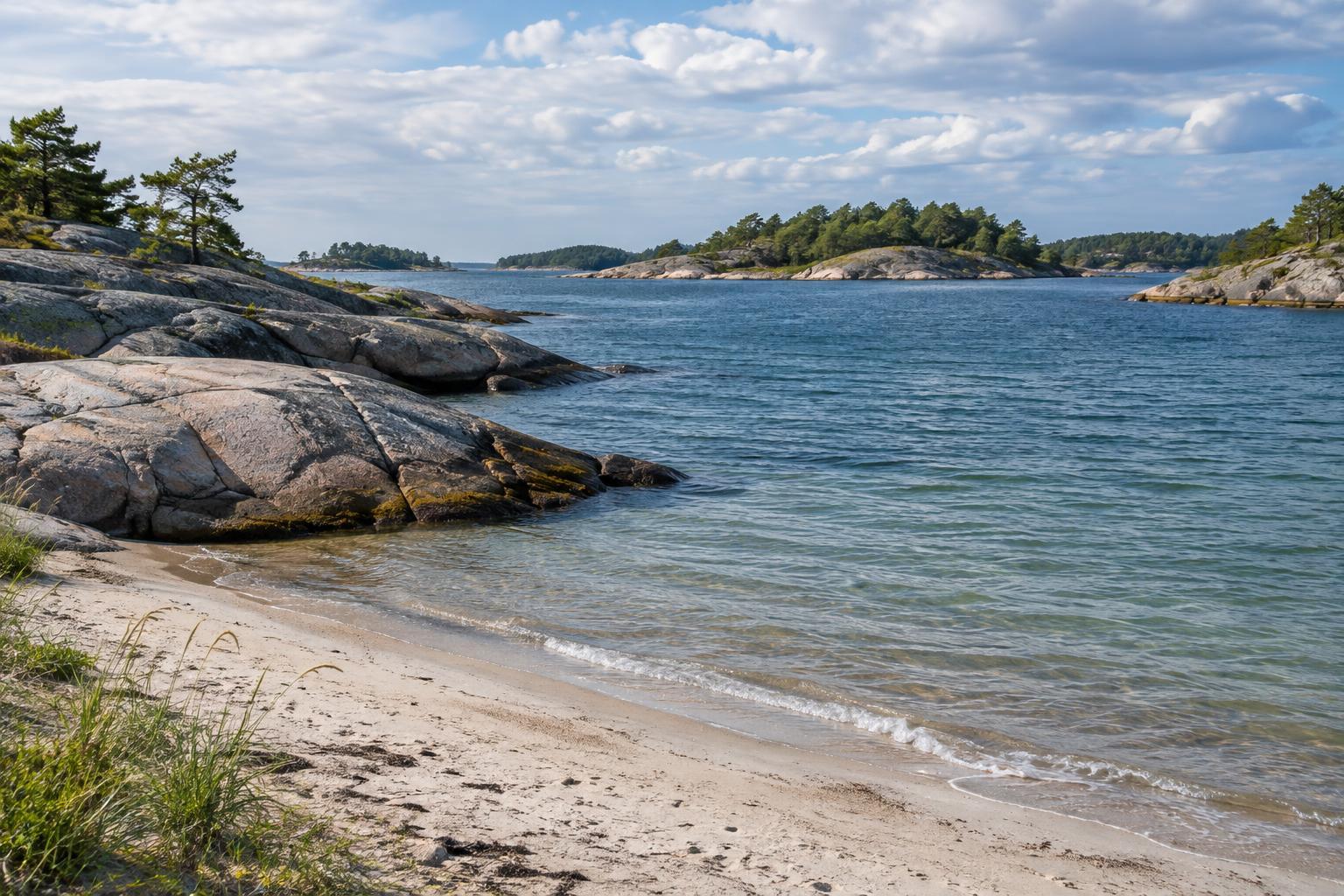
A Swedish coast trip can mean a long walk on sand, a swim from a smooth rock or a ferry ride to an island. The right choice depends less on finding a single “best” beach than on what you want to do. If you hope to spread out a towel, build sandcastles or take an easy walk at the water’s edge, look for a sandy beach. If you prefer views, quiet coves and places to sit above the water, a rocky shore may suit you better.
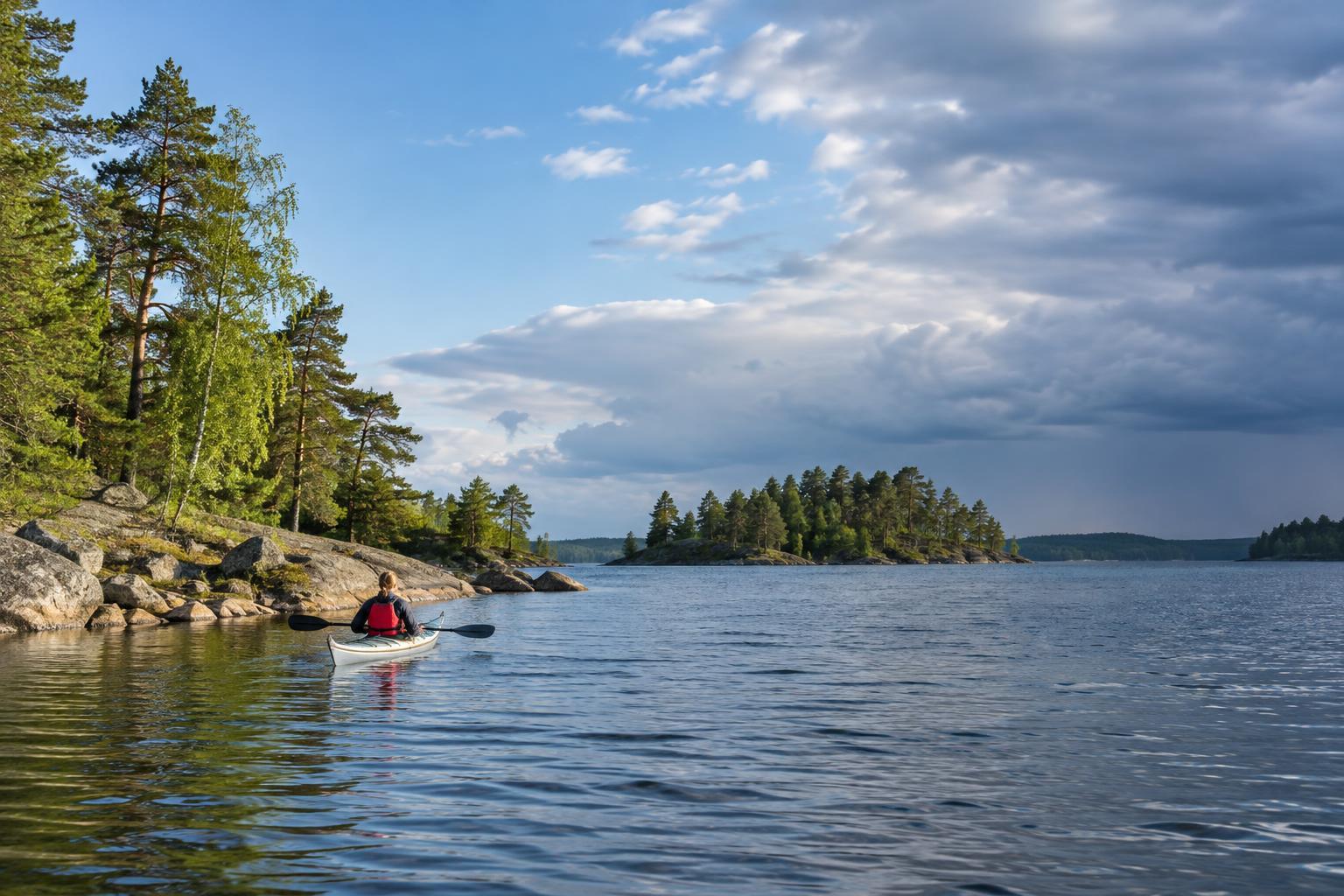
The broad southern beaches often feel different from the more varied shores farther north and around the archipelagos. On the west coast, you may find rocky inlets and fishing villages as well as stretches of sand. Along the Baltic coast, islands and sheltered bays create many different shorelines. These are useful starting points, not guarantees: check the specific place you plan to visit, including how you will reach it and what facilities it has. Sweden Culture Guide is an independent magazine, not a consulate or government service.
Know what sand and rock ask of you
Sand is comfortable underfoot, but an exposed beach can be windy even on a warm day. Bring a layer to put on after swimming, and consider how much shade will be available. Families may appreciate a gently sloping entry, toilets and a place to refill water; those details vary by beach. If you want a quieter visit, a morning or evening walk can be as rewarding as an afternoon on the sand.
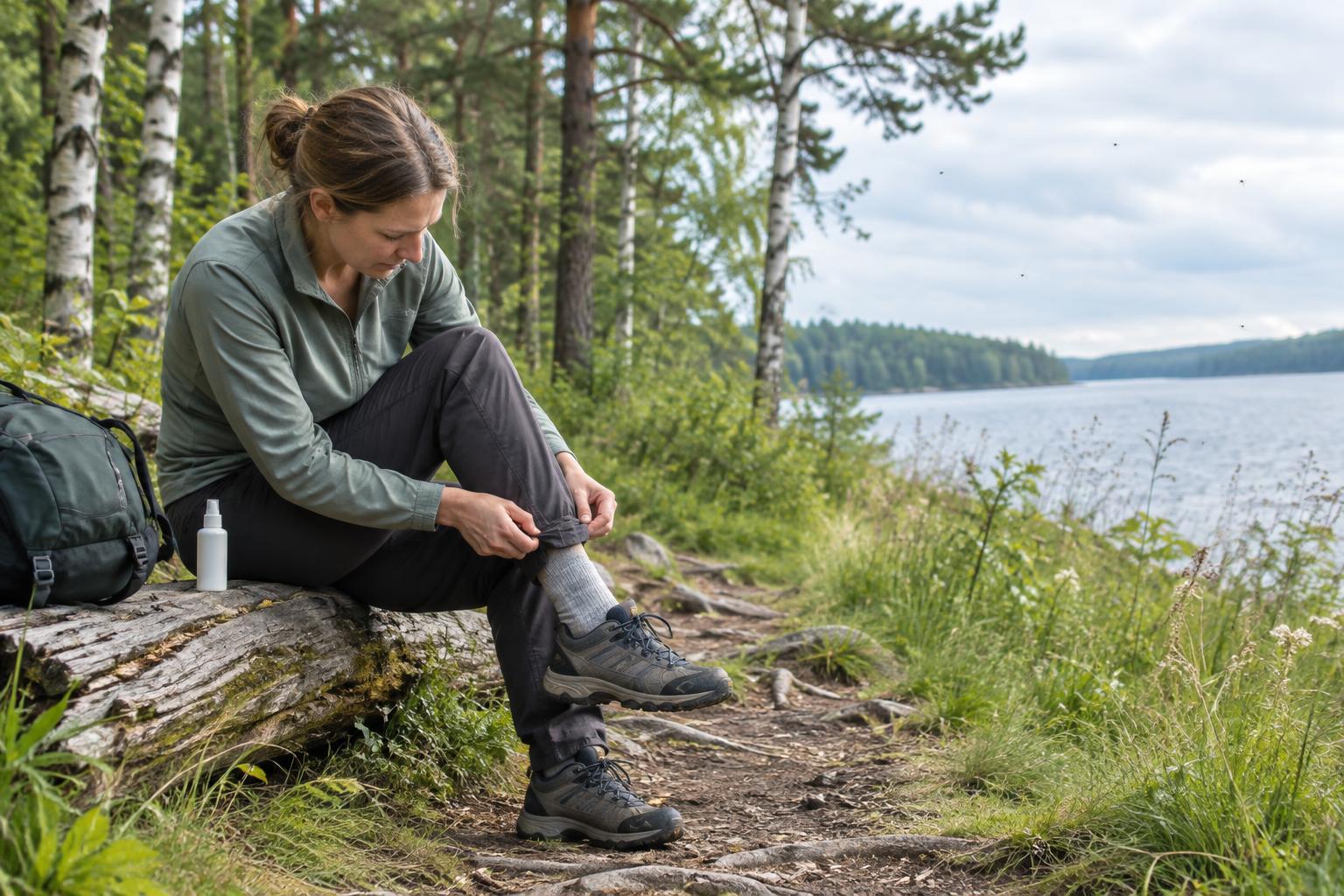
Rocky shores reward a slower approach. Smooth-looking stone can become slippery where it is wet or covered with seaweed, and a rock that is easy to climb down may be harder to climb back up. Wear shoes with a good grip, watch where you step and choose an obvious route into and out of the water before swimming. In archipelago areas, remember that the next attractive cove may be separated by a boat channel or private property rather than a walkable path.
Treat sea conditions as part of the plan
Air temperature is a poor guide to water temperature. Swedish sea water can feel cold even when the sun is strong, particularly early in the warmer season or after a change in weather. Enter gradually, keep swims within your comfort and ability, and make sure someone knows where you are. Children need close attention at the shore, whether the water looks calm or not.
Wind can change the feel of a beach quickly, creating chop and making a return swim harder. Waves, currents, boat traffic and underwater rocks also differ from place to place. Look for local signs and any posted bathing information, and avoid swimming when conditions are unclear. Water quality and algae conditions can vary; check locally before getting in rather than assuming that a beach will be suitable because it was pleasant on an earlier visit.
Build a flexible coastal day
A simple plan leaves room for the weather. Choose one main destination and one nearby alternative, such as a sheltered bay if the open beach is windy, or a coastal walking route if swimming is unappealing. Check transport times and the return journey before setting out. On islands, services may be limited, so pack water, food, a windproof layer and a bag for anything you need to carry away.
If you are travelling without a car, pay attention to the distance between the final bus or ferry stop and the shore. A beach that looks close on a map may involve a longer walk than expected. If you are driving, use designated parking and avoid blocking access for residents or emergency vehicles. Giving yourself time to pause at a harbour, viewpoint or café can make the trip enjoyable even if the sea stays too cold for a swim.
Leave the shore welcoming for others
Swedish coastal landscapes are places to enjoy, but they are also habitats and, in some areas, people’s neighbourhoods. Stay on established routes where the ground is fragile, give wildlife space and follow local signs. Take litter with you, including small items that are easy to overlook after a picnic. Keep noise modest near homes and other visitors, especially in small coves.
Access can vary around harbours, protected areas and private homes, so do not assume every pier, island or patch of shoreline is open for recreation. A little care makes planning easier too: when you know where you can walk, rest and swim, you can spend less time searching and more time enjoying the coast. Whether your day centres on sand, granite or a sheltered inlet, choose a place that matches your group and let the conditions guide what you do there.