Start with the way the room is used
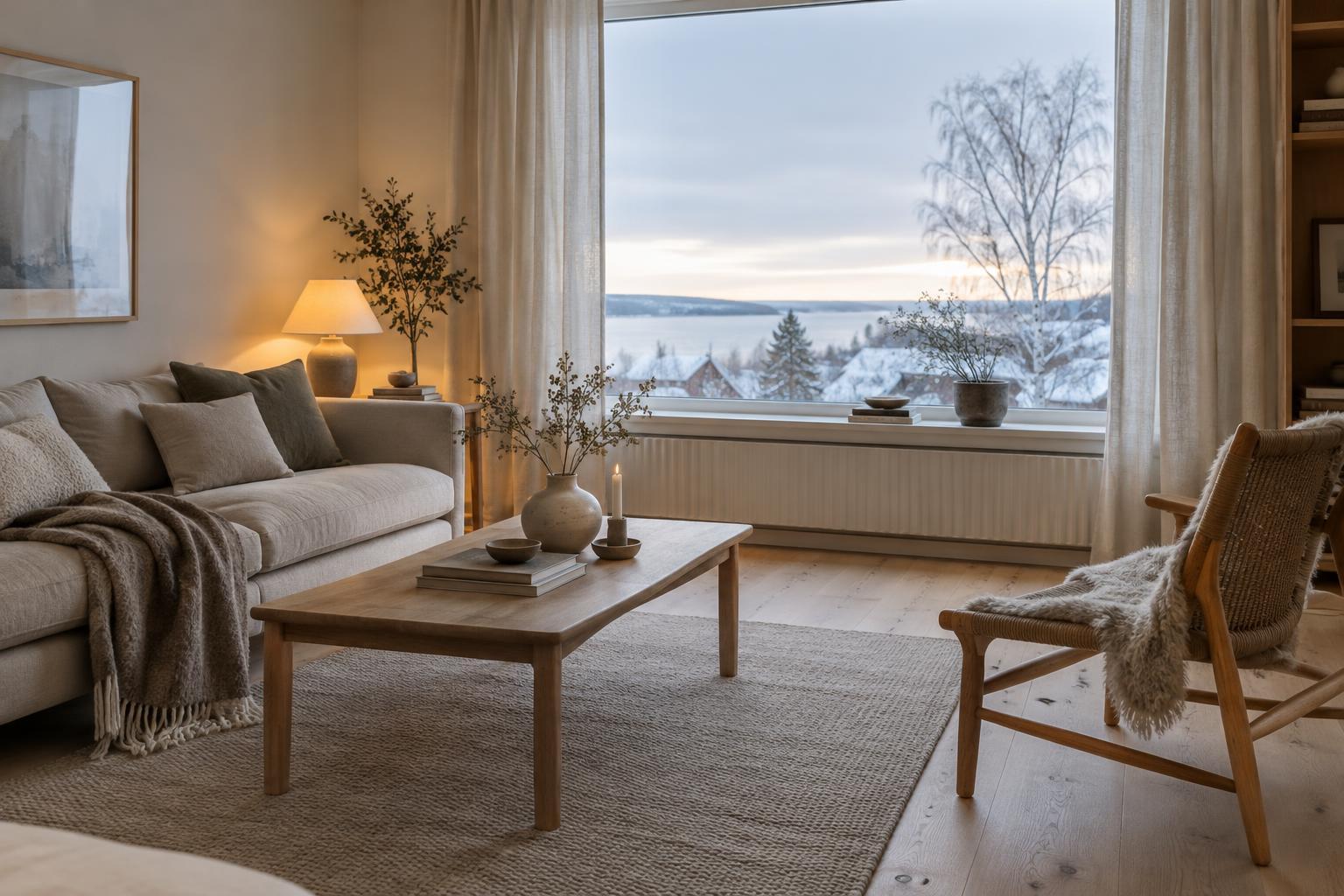
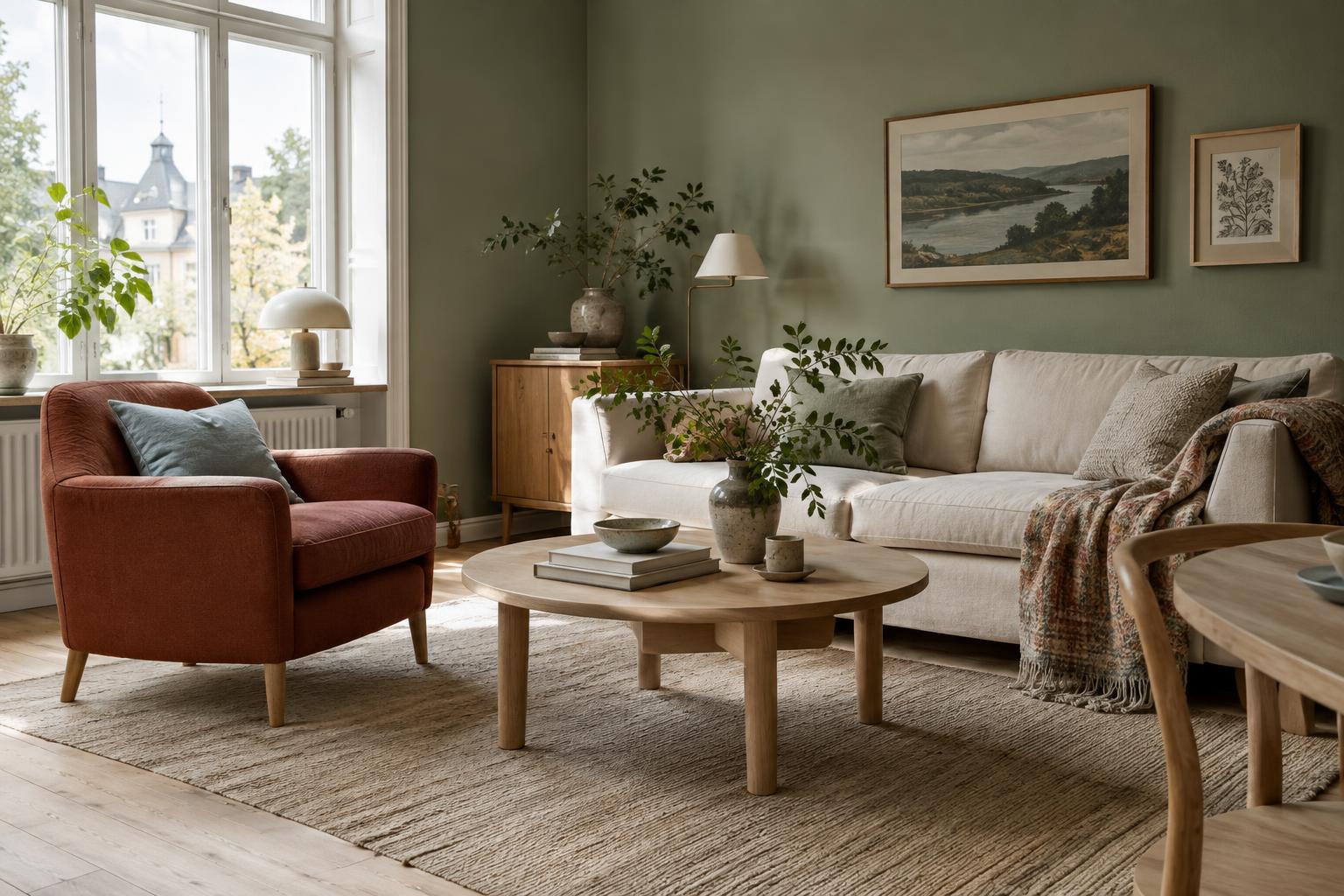
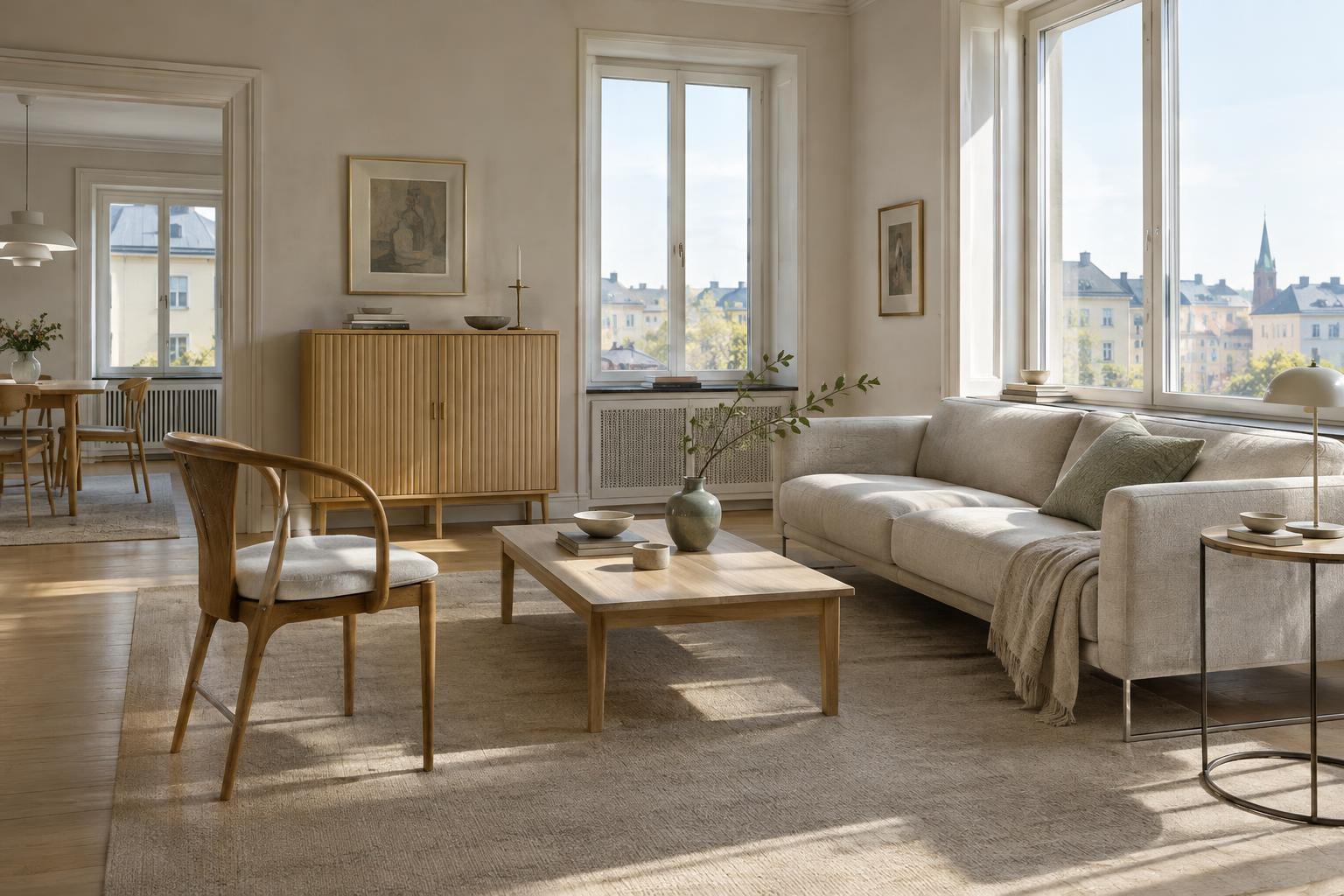
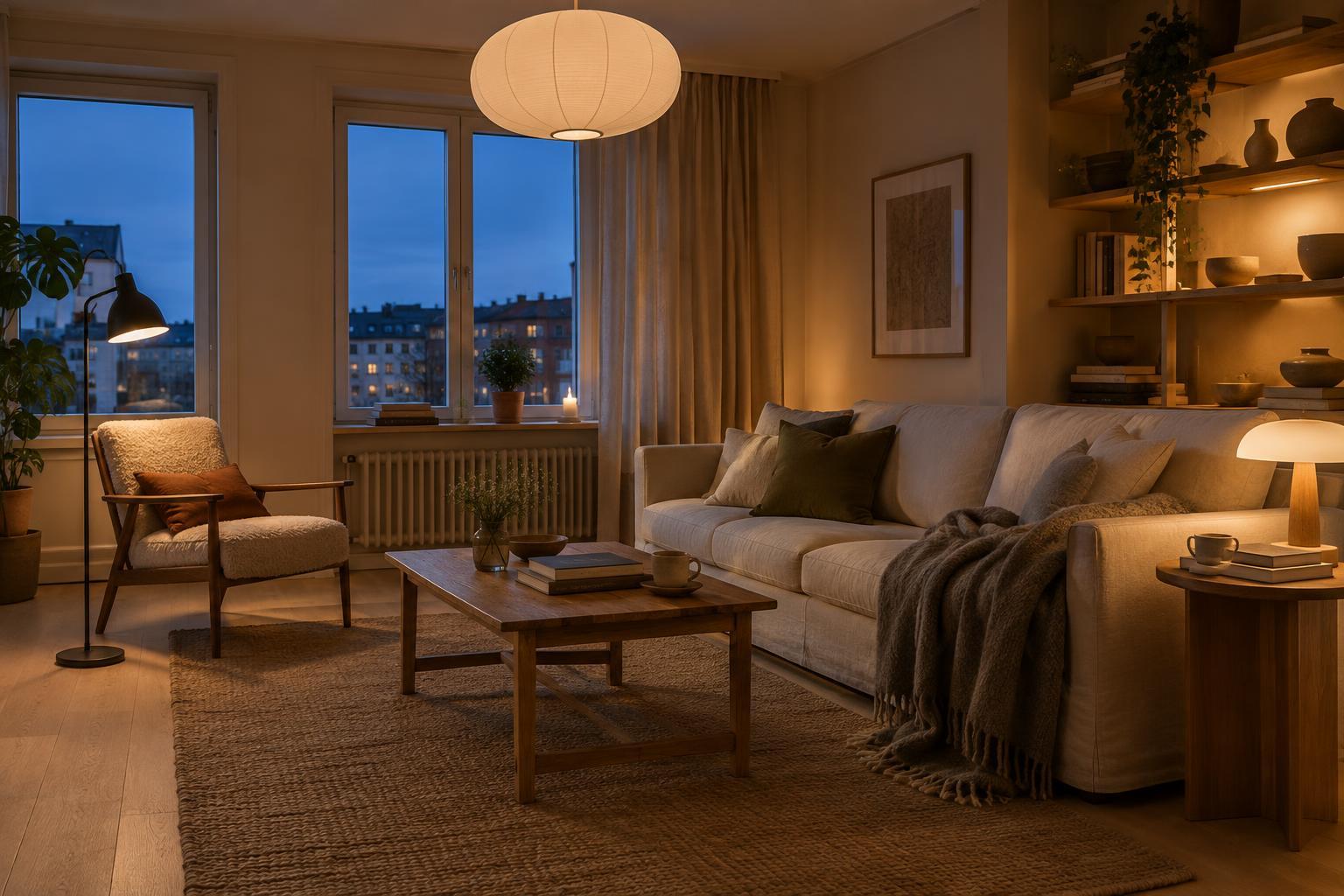
In a Swedish-style living room, lighting can make a space feel useful and welcoming without drawing attention to itself. Rather than asking one ceiling fixture to do everything, think about several smaller sources of light. A lamp beside the sofa supports reading; another near a chair makes that corner inviting; a softer glow elsewhere keeps the room from feeling patchy. The aim is not to make every surface equally bright, but to give people enough light where they need it.
Begin by noticing what happens in the room after dark. Where do people read, talk, play games or watch a screen? Which corners disappear into shadow? Make a simple plan around those activities before buying anything. Sweden Culture Guide is an independent culture magazine, not a consulate or government service; this is an interiors guide, not official guidance.
Build a comfortable base layer
Ambient light is the room’s general illumination. It may come from a ceiling fixture, a floor lamp that casts light upward, or several shaded lamps spread around the space. A central fixture can be useful for cleaning and finding things, but it need not be the default setting for a quiet evening. If possible, put it on a dimmer so its brightness can change with the task.
Pay attention to how light travels, not just how bright a bulb appears on its packaging. A pale wall can reflect a gentle wash of light, while a dark corner may need a lamp of its own. In a room with low ceilings, a floor or table lamp can distribute light at a more comfortable height than a bare overhead bulb. Choose shades that soften glare, and check the effect from the sofa as well as from the doorway.
Give activities their own light
Task lighting makes the room work. Place a reading lamp close enough to illuminate a book without shining directly into someone’s eyes. An adjustable arm or directional shade is helpful when several people use the same seat. If a side table holds a puzzle or craft project, give it a dedicated lamp rather than turning up every other light in the room.
Think about the practical details before settling on a position. A lamp should not block a walkway, and its cord should have a safe route to an outlet. On a shared sofa, two modest lamps may serve people better than one powerful lamp at the far end. Light aimed at a wall or tabletop can be more comfortable than light aimed across the room. The best arrangement is the one that supports ordinary evenings, not just a photograph of the space.
Add depth with smaller points of light
Accent lighting gives a room a sense of depth. A small lamp on a bookcase can pick out objects and books; a wall light can brighten an otherwise flat stretch of wall. These sources do not need to be dramatic. Their job is to make the room feel considered when the main light is low.
A restrained palette of materials can help the layers sit together. Paper, fabric, frosted glass and other diffusing shades soften the appearance of a bulb. Wood, metal and painted finishes can connect lamps to furniture already in the room. Matching every fixture is unnecessary: repeated shapes, colours or shade materials can provide enough continuity. If you use candles as part of the atmosphere, keep them away from curtains and other flammable items, and never leave them unattended.
Adjust the mood without losing function
Bulb choice can change the feel of a familiar lamp. Warm-toned light often suits relaxed seating areas, while a clearer, brighter light may be preferable for reading or detailed work. Bulb packaging can help you compare brightness and colour appearance, but test a choice in the room before replacing everything. A shade, wall colour or nearby window can change how the light feels.
Try switching on your lamps in different combinations. You might use the ceiling light for tidying, a reading lamp and one background lamp for a quiet night, or several shaded lamps when friends visit. Move a lamp before deciding that you need another one: even a small change in height or direction can reduce glare and bring a neglected corner into use. Layered lighting works best when it remains flexible, allowing the living room to feel calm without asking anyone to sit in the dark.