Start with the shape of the rail network
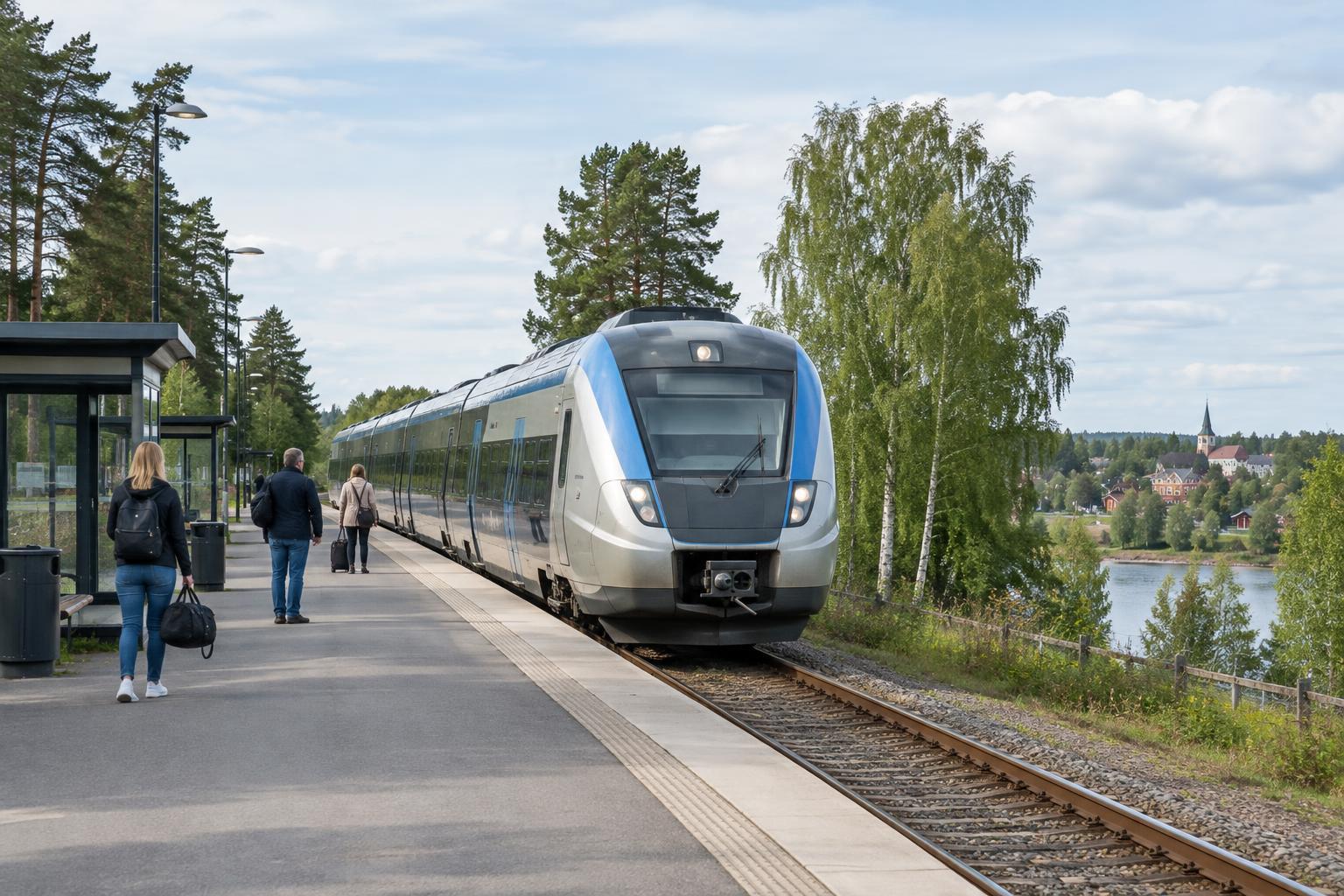
Sweden’s larger cities are linked by a network of long-distance and regional trains. Stockholm is a useful starting point for understanding it: routes run west toward Gothenburg, south toward Malmö and north along the coast. Trains also connect many smaller cities, though a journey between two places outside the main corridors may require a change.
Stockholm to Gothenburg and Stockholm to Malmö are straightforward routes to investigate if you are planning a first rail trip. Gothenburg and Malmö are linked by services along the west coast. For shorter journeys, regional trains can make cities such as Uppsala, Västerås or Lund useful stops rather than destinations that require a separate travel day. In the north, routes through places including Sundsvall and Umeå offer a different scale of journey, while reaching destinations farther inland may involve a bus connection.
A map helps, but do not assume the geographically shortest line is the quickest trip. Service patterns and transfer points matter more than distance alone. Search for your actual starting and ending stations before deciding whether to travel directly or break the journey into stages.
Choose a route that fits the trip
For a city-to-city visit, begin with the arrival time you want, then work backward. A direct train may be worth choosing over an itinerary with changes, even if it leaves earlier. If you hope to see a museum, meet someone or catch an onward service, allow time between arriving at the station and your next commitment.
Longer journeys deserve more thought. A trip from southern Sweden toward Umeå or farther north can take up much of a day, depending on the route. Where an overnight train is offered, compare it with daytime travel rather than assuming it will be the better choice. Consider your budget, how well you sleep while travelling and what time you would arrive. If your destination is away from the railway, check the final bus or local-train leg before committing to the long-distance ticket.
Stations in the same metropolitan area are not always interchangeable. Read the full station name in search results, especially when comparing departures or arranging a transfer. A convenient-looking connection is less useful if it requires you to cross a city with luggage.
Book with the details in front of you
Schedules, operators and fares can change, so use a current journey planner or a train operator’s booking service for the dates you intend to travel. Enter the full route first, then compare it with separate legs if you are considering a stopover. Check whether a result is a direct train, a rail-and-bus combination or an itinerary with one or more transfers.
Before paying, look at the ticket conditions. Some fares tie you to a particular departure, while others may allow changes under specified rules. Check whether a seat is assigned or can be reserved, what applies to children or bicycles if relevant, and how the ticket must be presented. Keep the confirmation accessible without relying solely on an internet connection.
Buying separate tickets can give you flexibility, but it may also leave you responsible for the next leg if an earlier service is delayed. If a complete journey is sold as one booking, read its conditions rather than assuming every connection is protected in the same way. For popular travel times, checking options earlier generally gives you more choice.
Make connections less stressful
A timetable may show that a transfer is possible without making it comfortable for you. Add a buffer if you are travelling with children, carrying heavy bags or changing from a long-distance train to an infrequent regional service. A longer wait can be preferable to a missed last connection.
Check the transfer station as carefully as the trains. Find out whether the next departure is from the same station, whether a bus leaves from an adjoining terminal and whether you will need to navigate between platforms. Platform information can change, so consult station displays and announcements on the day. If your itinerary includes an overnight stop, choosing accommodation near the station can simplify an early departure.
Delays happen on rail journeys as they do on other forms of transport. Keep your booking details handy and look for information from the relevant operator if plans change. If you hold separate tickets, be prepared to check your onward options yourself.
Travel comfortably and leave room to explore
Pack for the length of the journey rather than only the weather at your destination. Water, a snack and a charged phone are useful on most trips; for longer journeys, check what food or power facilities your particular train offers instead of assuming they will be available. Keep luggage manageable enough to carry through a station and place where permitted on board.
Train travel can also shape the itinerary. A stop in a smaller city may turn a long ride into two relaxed journeys, with time to explore on foot between them. That approach works best when you verify the onward departure and any luggage arrangements in advance. With a sensible connection buffer and a clear view of the ticket rules, travelling between Swedish cities by train becomes less about mastering a complex system and more about choosing a pace that suits your visit.
Sweden Culture Guide is an independent culture and travel magazine, not a consulate or government service. This guide is for planning leisure travel; it does not provide official travel or identity-document services.