Choose a season with genuinely dark nights
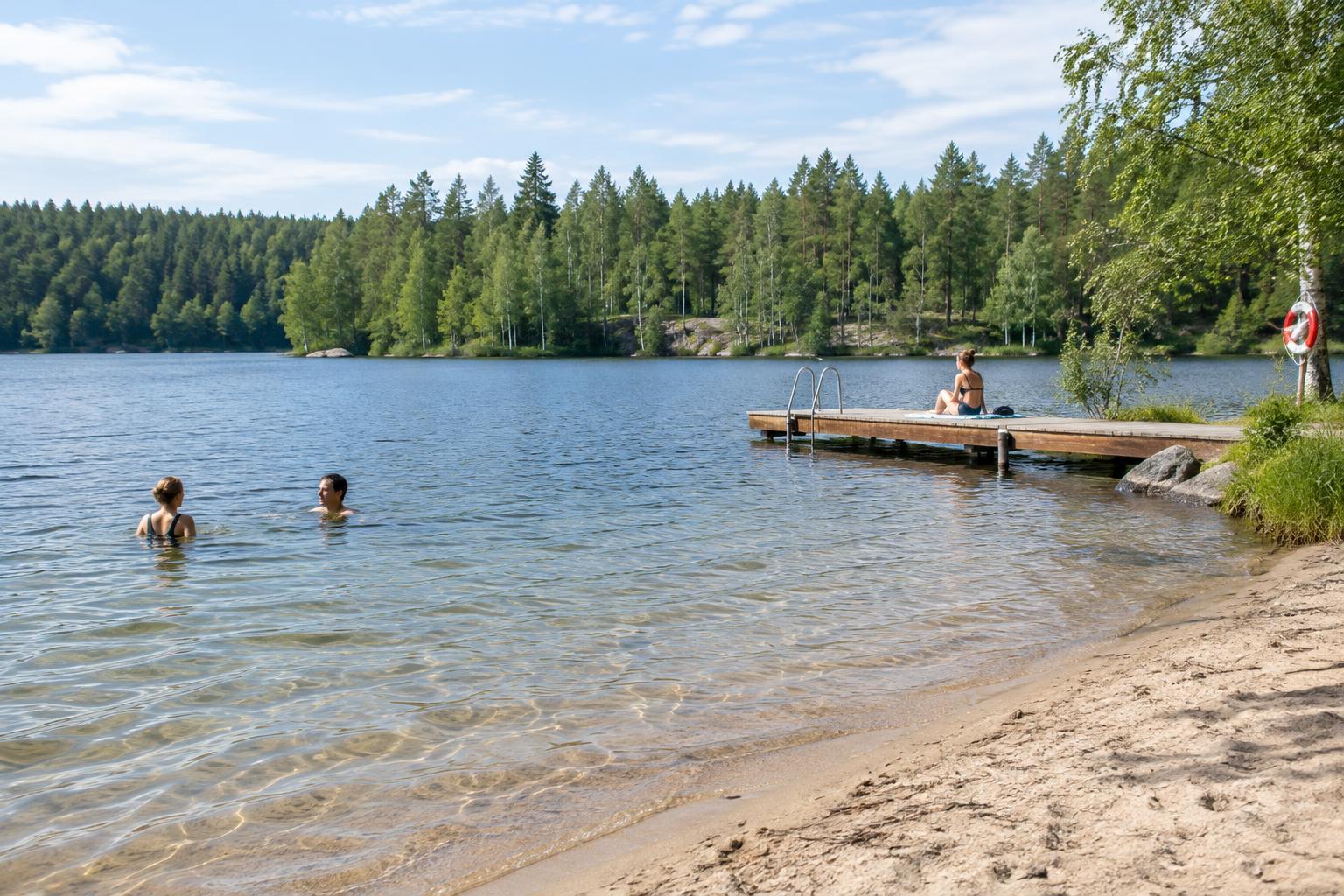
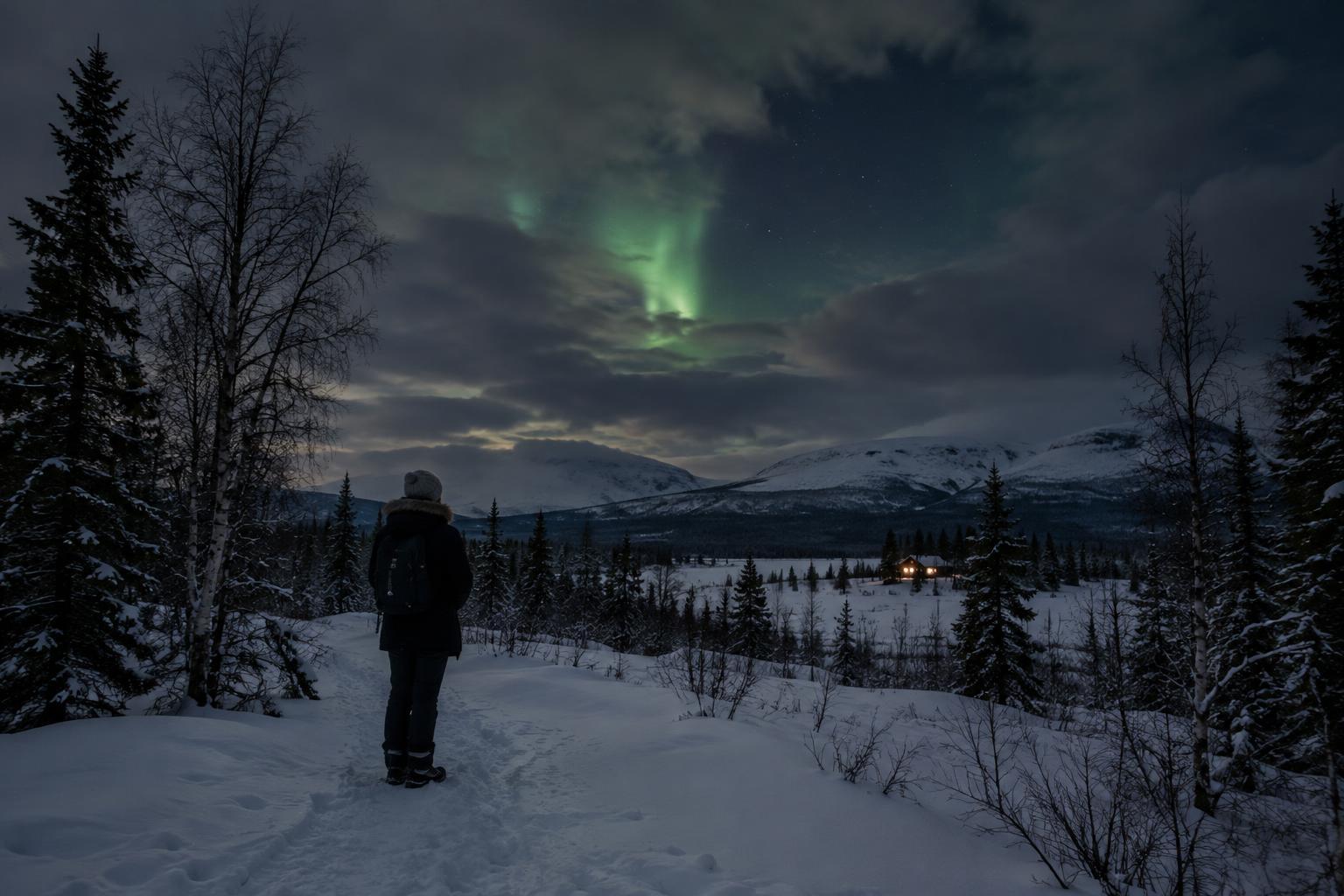
Northern Sweden is the natural starting point for an aurora-focused trip. Places around Kiruna and Abisko put you at high latitude, where northern lights are more commonly sought than in southern Sweden. The darker part of the year—from autumn through early spring—offers the nighttime conditions you need. Summer’s long daylight hours make aurora watching impractical, even if activity is happening above you.
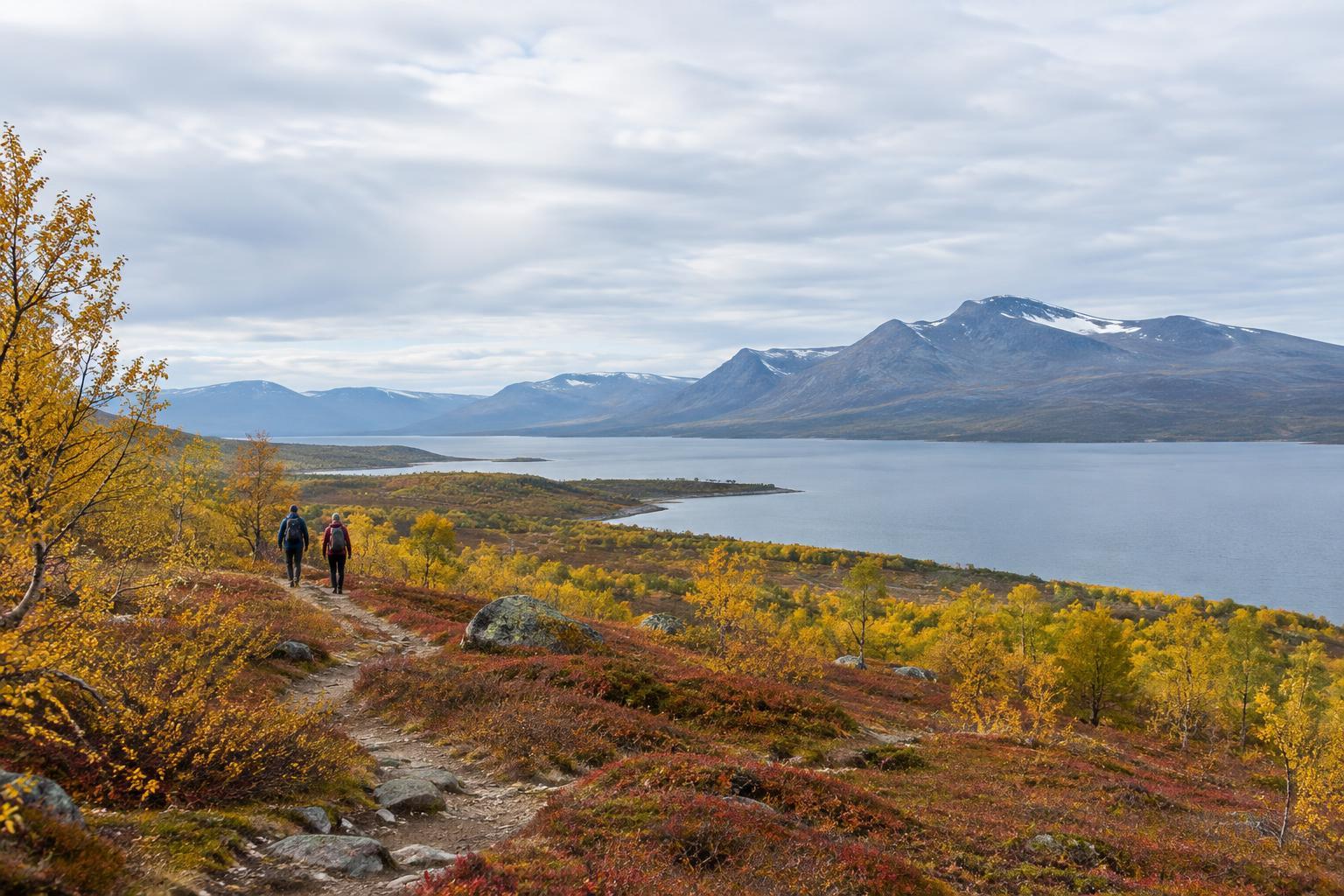
A winter trip can bring snowy scenery and long nights, but it can also mean severe cold and difficult travel conditions. Autumn and early spring may offer different balances of daylight, weather and outdoor activities. Rather than choosing a date because it sounds like a peak night, choose a period when you can comfortably spend several evenings looking. A longer stay gives you more chances to encounter a clear sky.
Plan around clouds as well as darkness
The aurora is not a nightly performance. You need activity in the sky, but you also need a view of it. Cloud cover can hide a strong display, while a modest one may be visible when conditions are clear. Before heading out, check local cloud forecasts and current aurora information, then treat both as guides rather than promises. Conditions can change during an evening.
Look for a place away from streetlights, with a reasonably open view toward the northern sky. A bright moon does not automatically rule out a sighting, though it can make faint light harder to notice. Give your eyes time to adjust after leaving a lit building, and avoid shining a bright torch at other watchers. Sometimes the first sign is a pale, shifting glow that becomes easier to recognise once you know where to look.
Pick a base that works even if the sky stays quiet
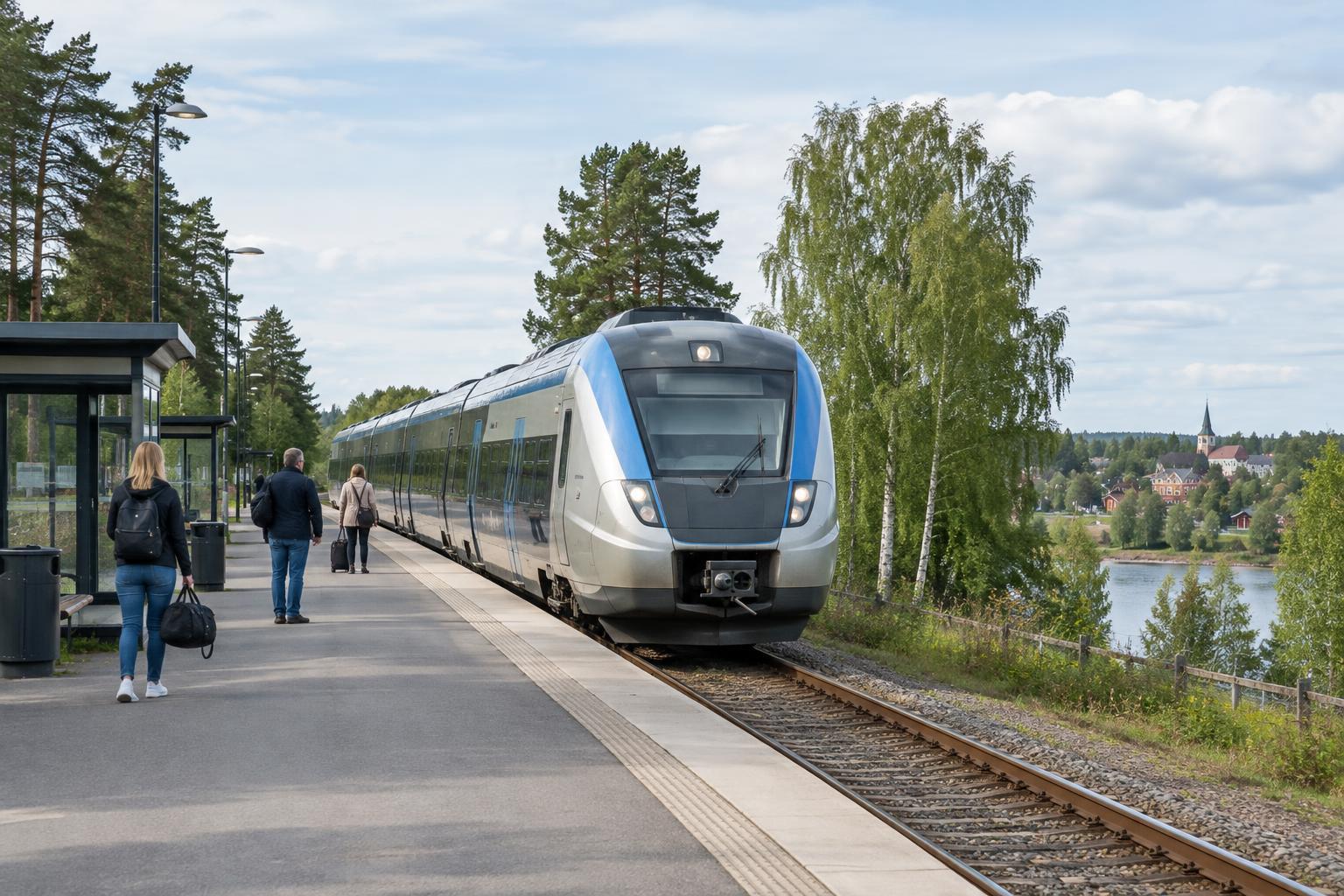
A useful base has accommodation you can reach reliably, evening access to a dark viewing spot and daytime activities you would enjoy regardless of the forecast. Kiruna is a practical hub for exploring the far north; Abisko attracts visitors seeking open landscapes and dark skies. Neither location guarantees a sighting. Think about how you will get between your accommodation and viewing spot, especially if you will not have a car.
Guided outings can be appealing if you would rather have help finding a suitable location and managing a cold night outdoors. Before booking, check what transport, warm clothing, food and cancellation arrangements are included. If you plan to travel independently, identify your viewing place in daylight. A remote-looking road or lakeshore may be awkward or unsafe to reach after dark, particularly in snow.
Dress for waiting, not just walking
Aurora watching often involves standing still outside, which can feel much colder than a daytime walk at the same temperature. Wear insulating layers, a wind-resistant outer layer, warm boots, a hat and gloves you can manage without exposing your hands for long. A warm drink and somewhere sheltered to take a break can make the evening more pleasant. Check local conditions before leaving, and be ready to turn back if the weather or footing is worse than expected.
Respect the landscape and the people who live nearby. Use appropriate parking areas, keep access routes clear and avoid crossing private outdoor spaces. If you are staying near a small community, a quiet viewing spot is better than gathering outside someone’s home. You do not need to travel far into the wilderness to have a memorable night under a dark sky.
Let the trip be more than a sighting
Photographs can create unrealistic expectations: cameras may capture colour and detail that look subtler to the eye. A display might last for a short spell, change slowly or never appear during your visit. That uncertainty is part of planning an aurora trip, not a sign that you chose the wrong evening.
Build a trip you would still value under cloudy skies. Time for winter walks, local food, museums or simply experiencing the northern landscape gives each day its own purpose. Sweden Culture Guide is an independent magazine, not a consulate or government service; this guide is intended to help you plan the experience, not promise an outcome. Pack patience alongside warm clothes, and leave room for the sky to surprise you.