Start by understanding the surface
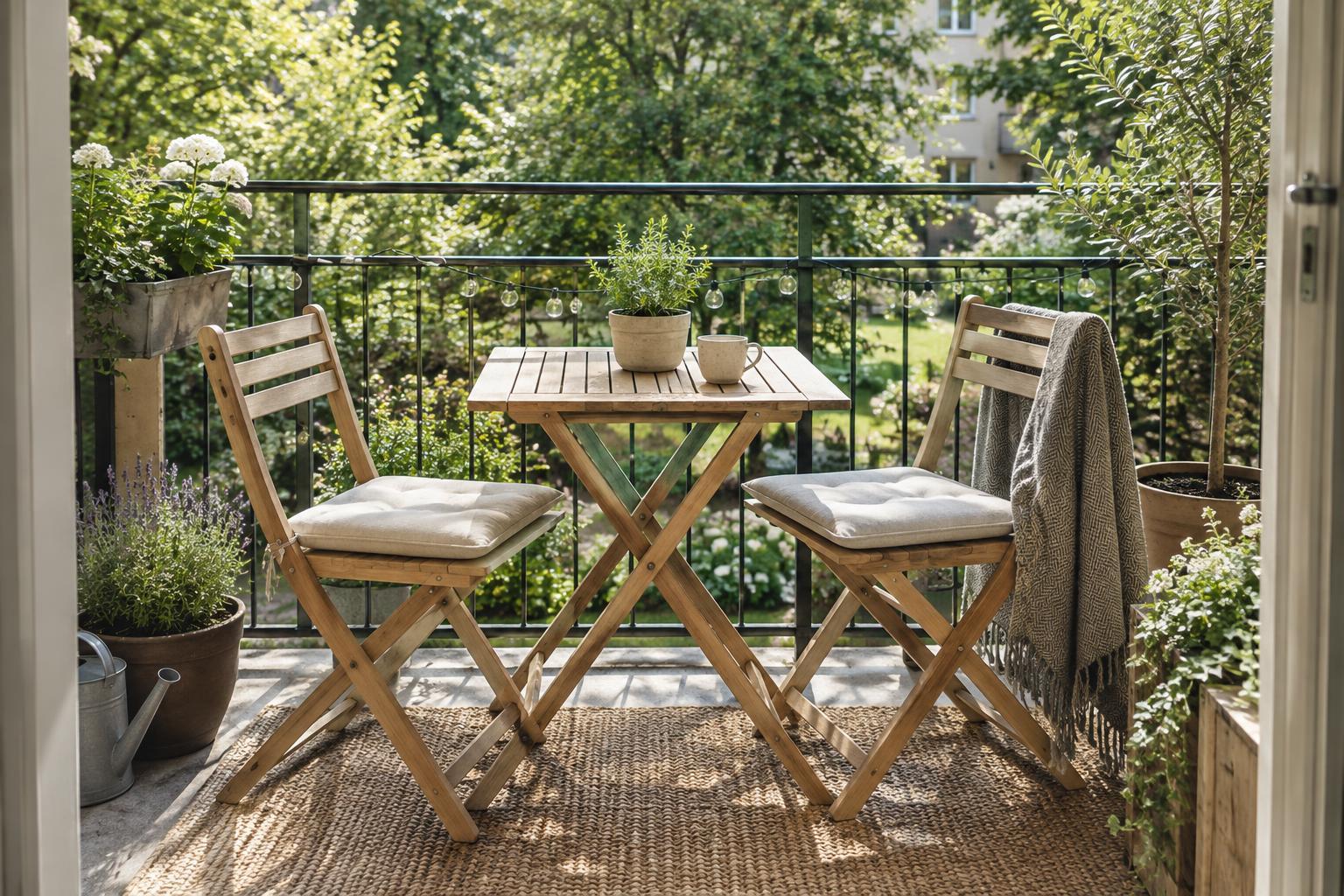
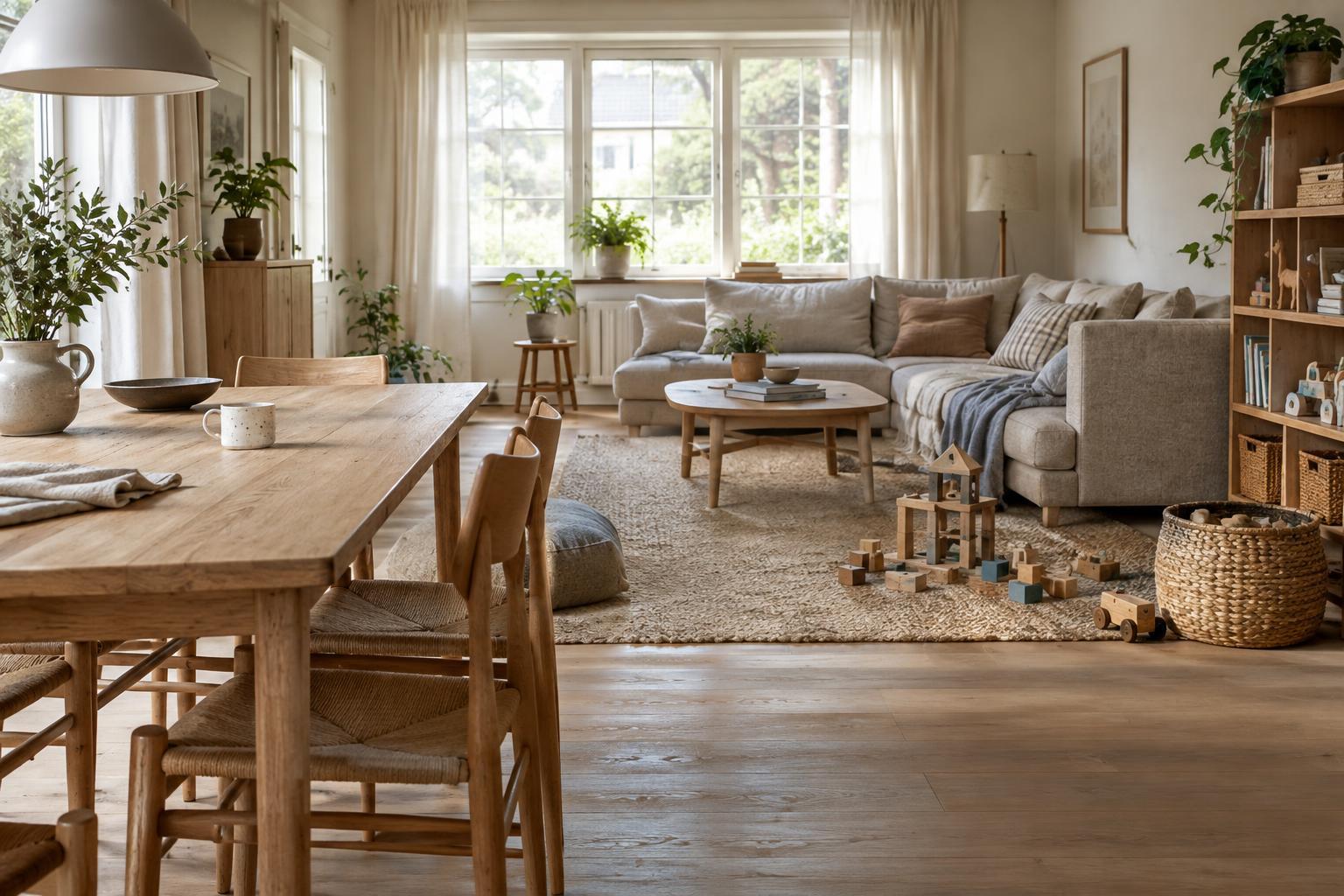
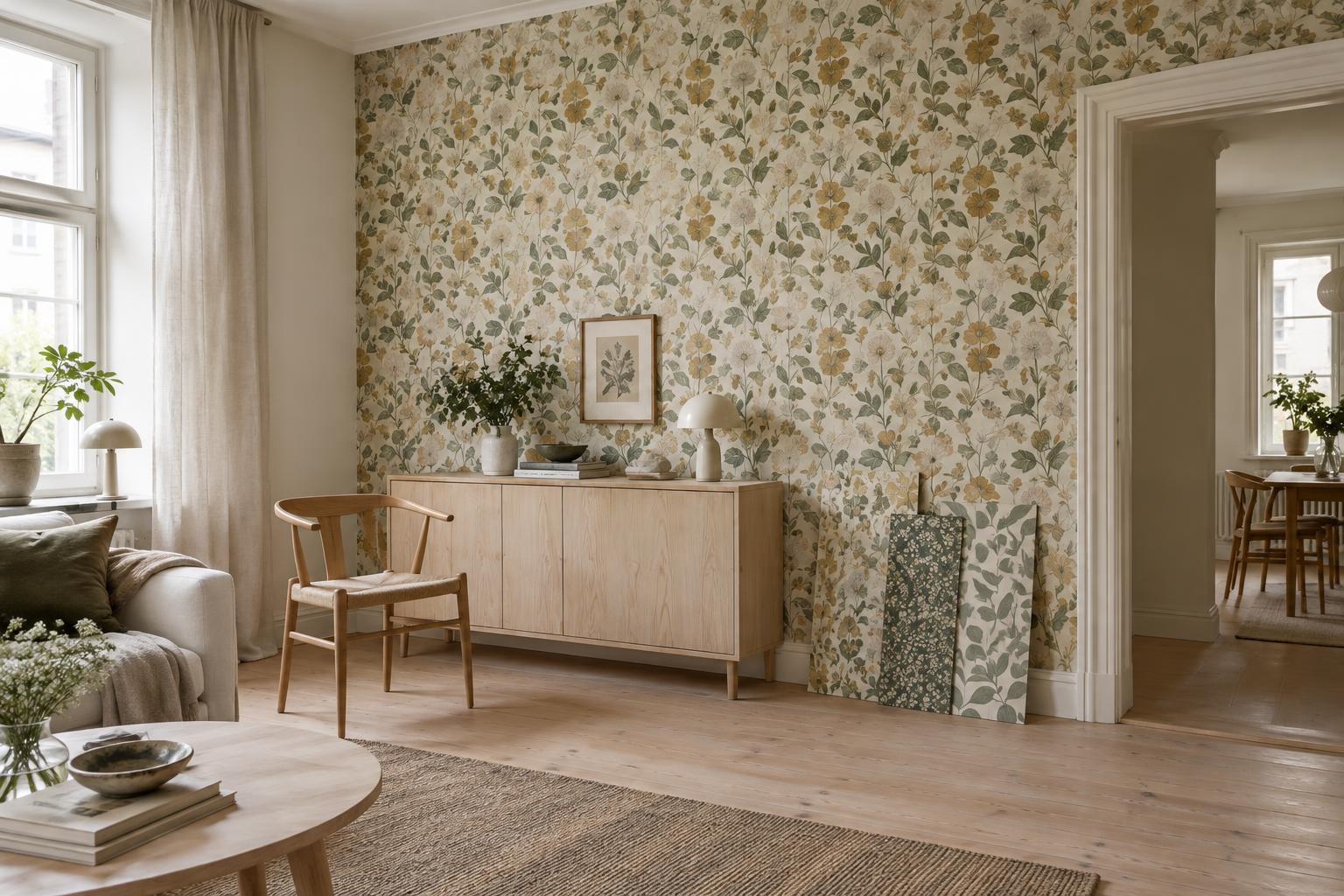
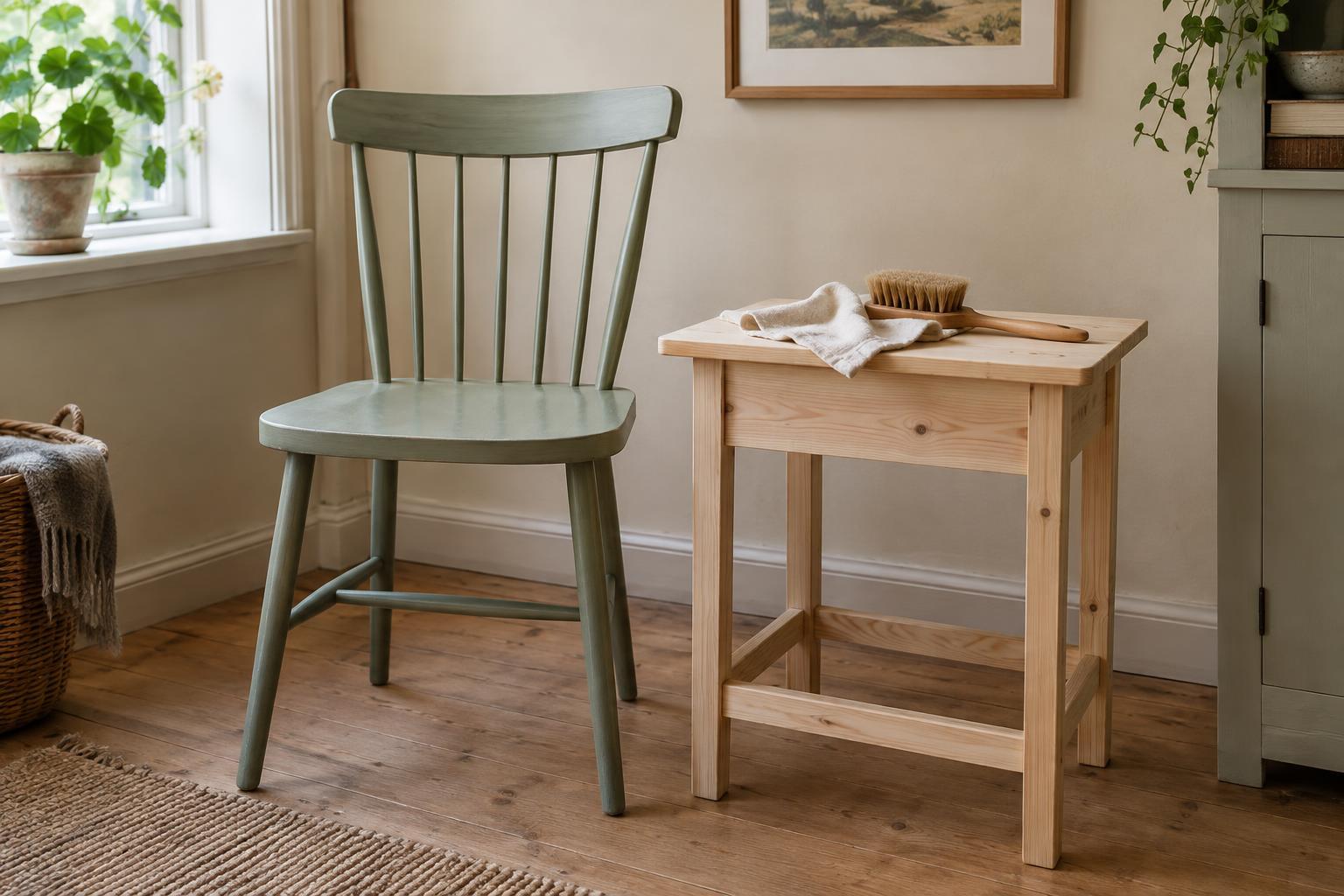
Wooden furniture brings warmth to many Swedish interiors, whether it is a painted chair at a kitchen table or a pale, unfinished shelf. The two surfaces may look equally simple, but they respond differently to cleaning. Paint forms a layer over the wood; unfinished wood has no comparable barrier and can absorb moisture and stains more readily. Before reaching for a cloth or cleaner, look closely at the piece and consider what you know about its finish.
A surface that appears bare may actually have wax, oil or a very thin clear finish. If you are unsure, begin with dry dusting rather than trying to identify it with water or a cleaning product. Older paint may be fragile, and a valued antique deserves particular caution. Sweden Culture Guide is an independent culture magazine, not a consulate or government service; this guide offers everyday household care, not a substitute for advice on conserving a historic piece.
Dust first, then clean painted wood gently
Dust can collect along chair rails, drawer edges and carved details. Remove it with a soft, clean cloth, working without heavy pressure. A soft brush can help around corners, but avoid stiff bristles that might scratch paint. Regular light dusting is often more useful than an occasional vigorous scrub, especially where the painted surface is worn or flaking.
For sound, modern painted furniture with a mark that dusting will not remove, try a cloth lightly dampened with water. Test an inconspicuous spot first, then wipe gently and dry the area promptly with another cloth. If plain water is not enough, a small amount of mild soap may help, provided it is removed without soaking the surface. Do not let water sit in joints or beneath peeling paint. If colour transfers to the cloth, the paint softens, or the finish becomes dull, stop cleaning and let the piece dry.
Treat unfinished wood as more absorbent
The appeal of unfinished wood is its direct texture, but that openness calls for restraint. Use a dry, soft cloth or a gentle brush to lift loose dust. Attend to spills immediately by blotting rather than rubbing, which can spread liquid across the grain. Avoid soaking the surface, particularly around end grain, joins and cracks where moisture may linger.
A stain on bare wood can be difficult to remove evenly. Aggressive scrubbing or sanding one small patch may leave a pale or unusually smooth spot that draws more attention than the original mark. If a piece is intended for frequent use, such as a dining table, a suitable protective finish may make future care easier. That is a separate decision from routine cleaning: oil, wax and other finishes change the appearance and feel of wood, so test any proposed treatment somewhere unobtrusive and follow the product directions.
Prevent wear in everyday use
Good placement does much of the work. Use coasters under drinks and mats beneath hot dishes, plants or objects that might leave moisture against the surface. Lift decorative items occasionally so you can check for trapped water and clean away dust. Felt pads beneath objects can help prevent scratches, but keep the pads clean too: grit caught underneath can still mark paint or wood.
Wood responds to changes in its surroundings, so aim for a reasonably steady indoor environment. Strong sunlight can alter the colour of both paint and wood over time, while nearby heat may dry a piece unevenly. These effects depend on the material and finish, but moving a chair away from a radiator or rotating objects on a tabletop can be a sensible precaution. When moving furniture, lift it rather than dragging it by a leg, which can strain joints.
Know when maintenance becomes a repair
A chipped painted edge does not always need immediate repainting. First decide whether the damage is merely cosmetic or leaves wood exposed to repeated spills and handling. Touch-ups can be conspicuous if the colour, sheen or texture differs from the surrounding paint. Likewise, adding oil to an unfinished-looking piece without knowing its previous treatment can produce uneven patches rather than a uniform glow.
If paint is actively flaking, a joint is loose, or a piece has sentimental or historic value, pause before sanding, stripping or refinishing it. A furniture restorer can help assess options while preserving details that ordinary cleaning might erase. For routine pieces, the simplest care is usually the most reliable: dust gently, deal with spills promptly, protect surfaces in use and change course when a finish reacts unexpectedly.