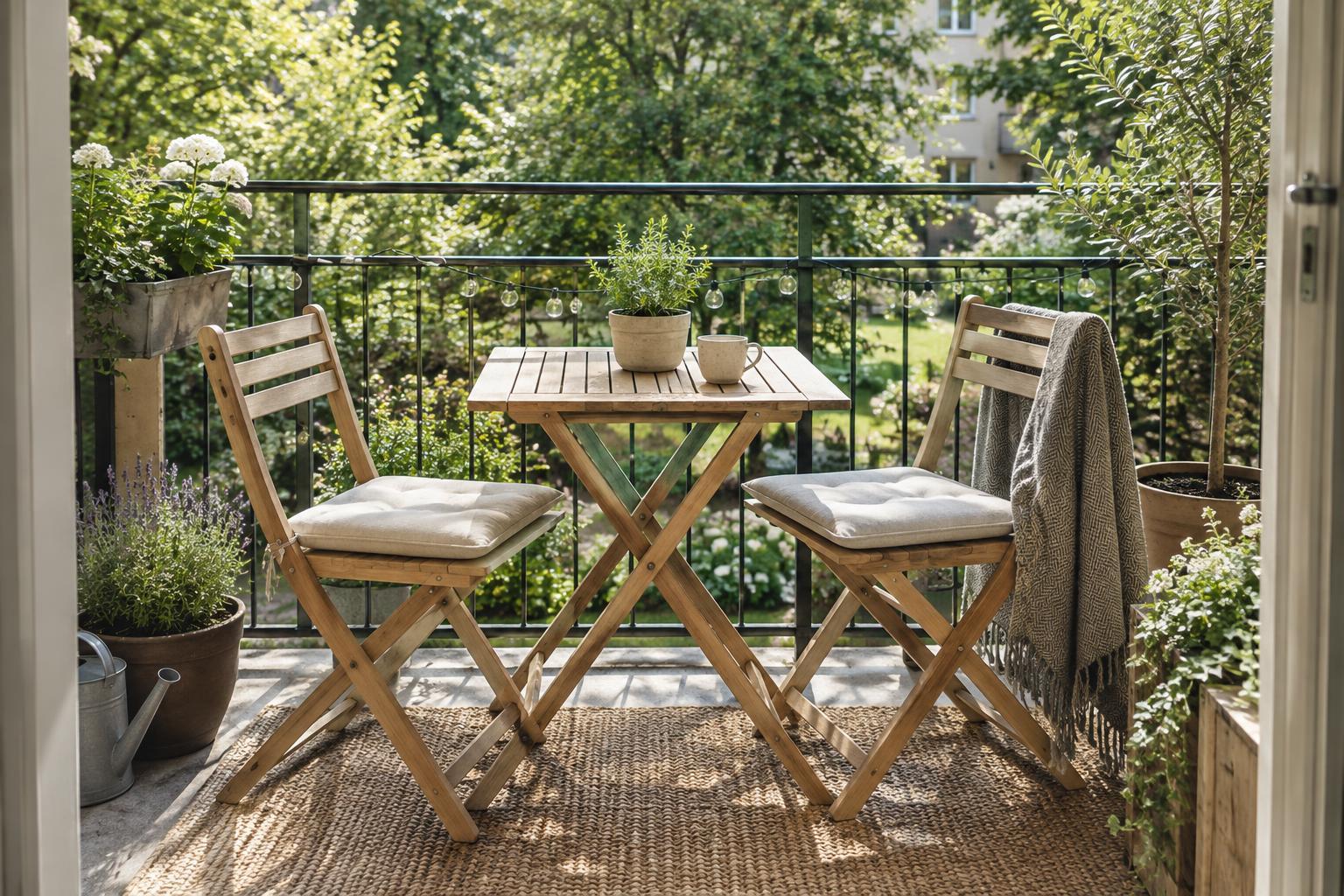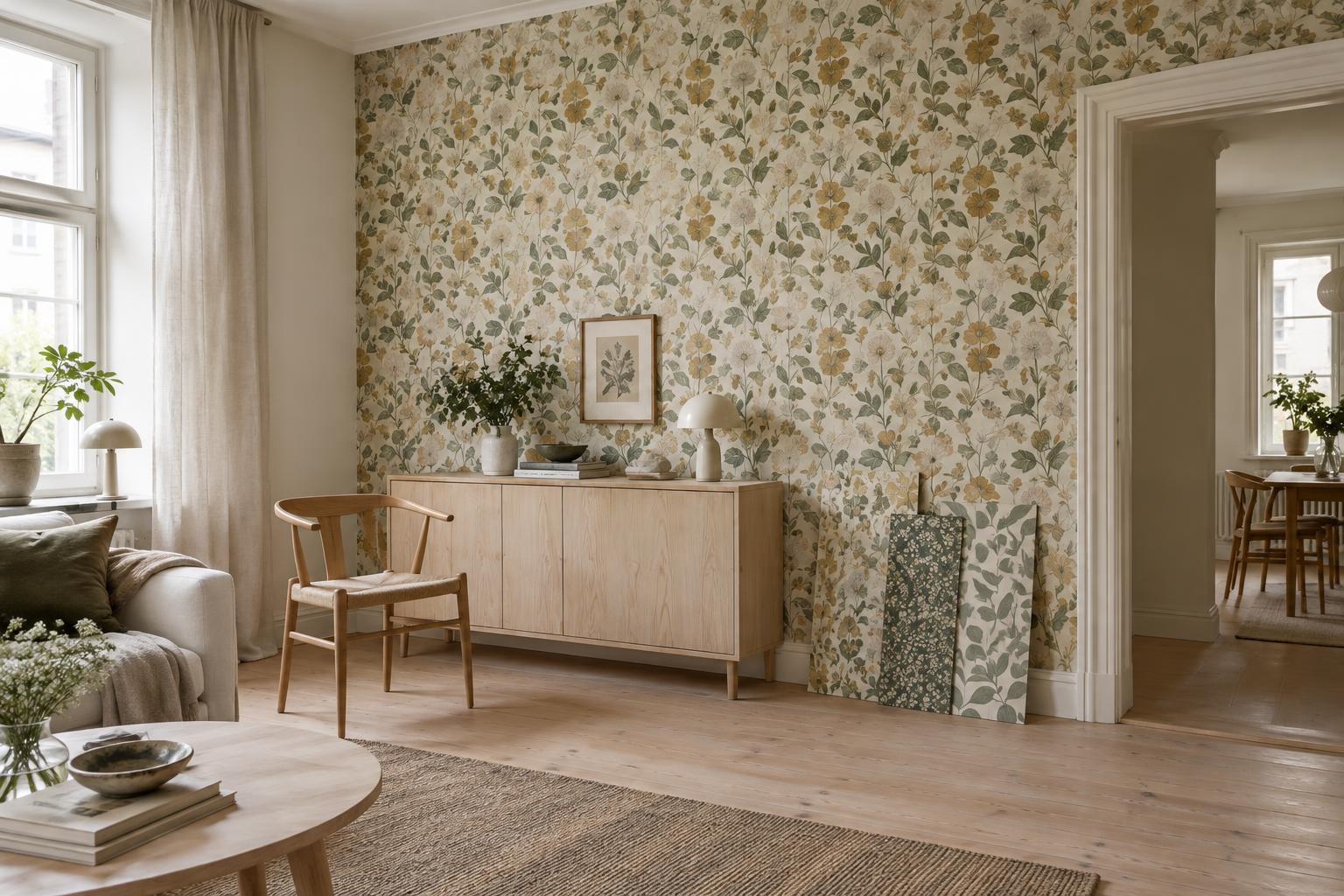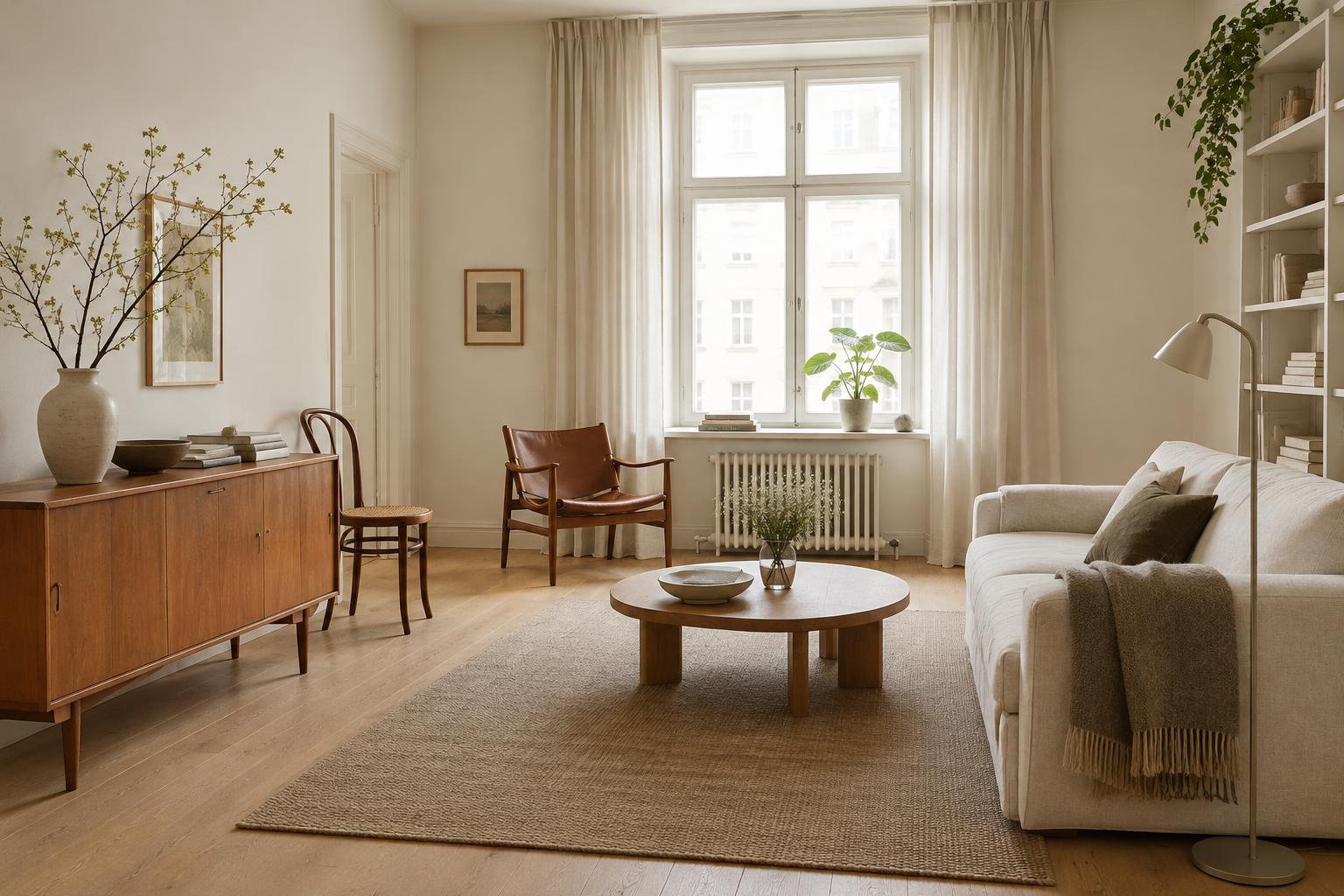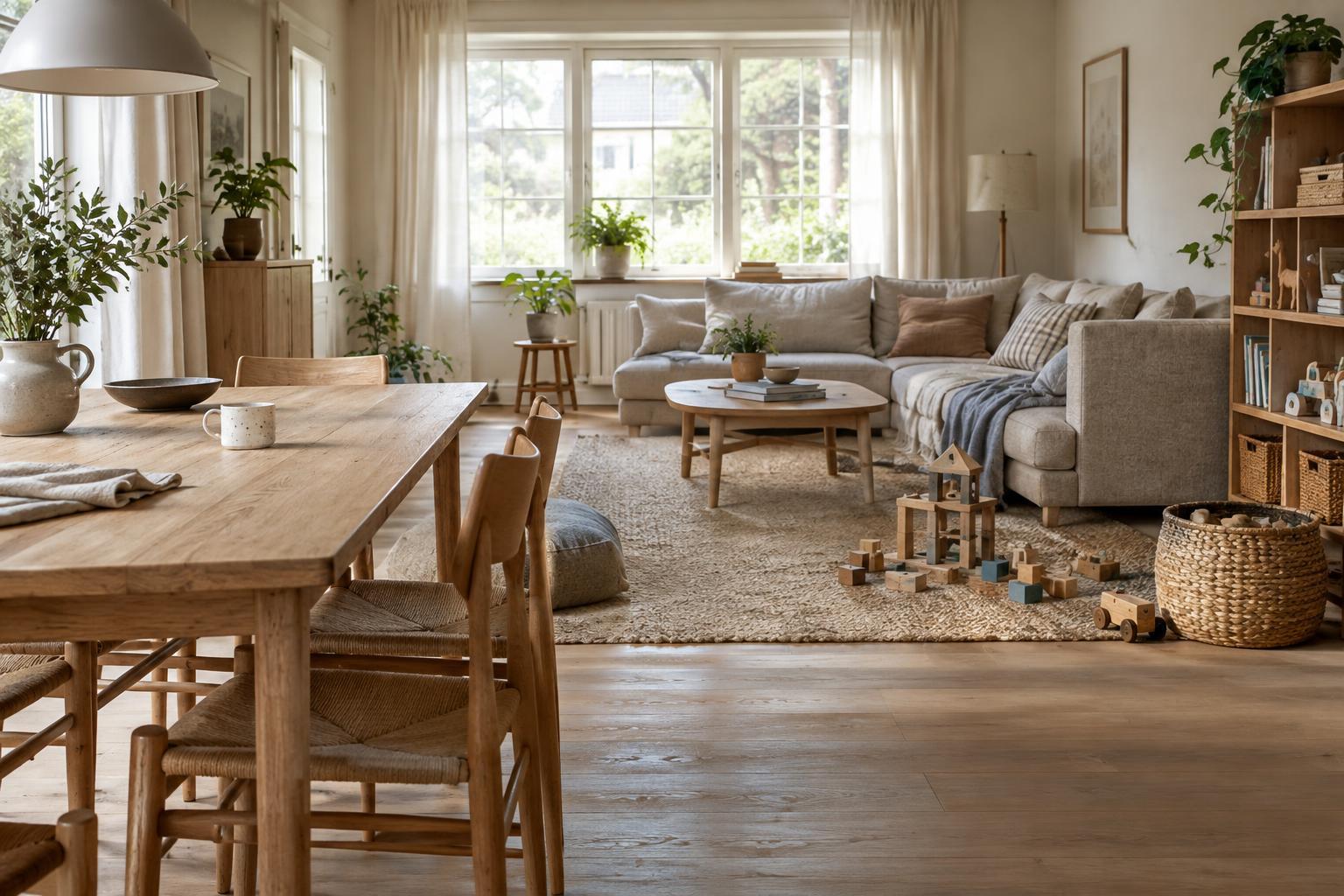
Start with how the household lives
A Swedish-style interior is often associated with pale surfaces, natural materials and uncluttered rooms. For a family home, the more useful starting point is everyday life: where shoes come off, where homework happens and which chair everyone reaches for first. A room that supports those habits will feel more welcoming than one arranged only for a photograph.
Before buying, note the routes people take through each room. Leave space around the dining table for pulled-out chairs and keep frequently used storage within easy reach. In a small room, a bench with storage or a table with leaves may do more work than several separate pieces. Durability begins with choosing furniture that fits the space and its purpose; even a well-made item will frustrate a household if it is awkward to use.
Look beyond the surface finish
When comparing tables, chairs and cabinets, pay attention to how they are built. Check whether a chair sits steadily, whether drawers move smoothly and whether doors stay aligned. Look underneath a table or sofa if you can: sturdy joints and a frame that does not flex excessively matter more to daily use than a fashionable finish. If shopping secondhand, a few scratches may be less important than a sound frame.
Wood is a familiar choice in Swedish-inspired rooms, but it needs to match the household. A solid-wood tabletop may be possible to refinish after years of wear, while a veneered surface can offer a similar appearance but may have less tolerance for deep damage. Neither is automatically the better purchase. Ask how the surface should be cleaned, whether parts can be replaced and what kind of marks you are comfortable living with. A finish that develops visible wear can still suit a relaxed family room.
Choose textiles for real use
Sofas and dining chairs face spills, crumbs and constant movement. Removable, washable covers can make upkeep simpler, provided the care instructions suit your routine. For upholstered pieces without removable covers, check the maker’s cleaning guidance before purchase. A tightly woven fabric may be easier to keep tidy than a loose, snag-prone one, especially in a home with pets. Try the seat in person when possible: comfort and cushion support are part of longevity if the furniture will be used every day.
Textiles also bring softness to the light, restrained look many people seek. A washable rug, curtains that can be taken down easily and a few replaceable cushion covers offer flexibility without making the room feel disposable. Consider a pattern or mid-tone colour where minor marks are likely. Light rooms need not contain only white upholstery; warm grey, muted blue, earthy green and natural textures can create a similarly calm effect.
Make storage and flexibility part of the design
A clear-looking room usually depends on useful storage, not on owning nothing. Give toys, books, blankets and everyday tools places that make sense to the people using them. Low shelves can help children put their own things away, while closed cabinets can quiet the visual clutter of mixed household supplies. Anchor tall or heavy furniture securely according to its instructions, particularly where children may climb or pull on it.
Flexible pieces can help a home change over time. A dining table that extends, shelving with adjustable heights or a sturdy stool that moves between rooms may remain useful through different stages of family life. Measure doorways and stairways as well as the room before committing to a large purchase. Furniture that can be moved, maintained and adapted is often a more durable choice than a piece that fits only one exact layout.
Build a room gradually
There is no need to buy a matching set to create a coherent Swedish-style home. Begin with the pieces that carry the most daily use, then add lighting, textiles and smaller furnishings as needs become clear. Repeating a few materials or colours can bring order to a mix of new, inherited and secondhand items. Good task lighting beside a sofa or at a table can make an existing piece more useful without replacing it.
Think of durability as a combination of construction, care and affection. A chair that can be repaired is valuable, but so is one that fits the family well enough to be kept. Sweden Culture Guide is an independent magazine about culture and everyday life, not a consulate or government service. Its design perspective is simple: aim for a home that feels comfortable to live in, not one that must stay untouched to look its best.