Choose the water before the destination
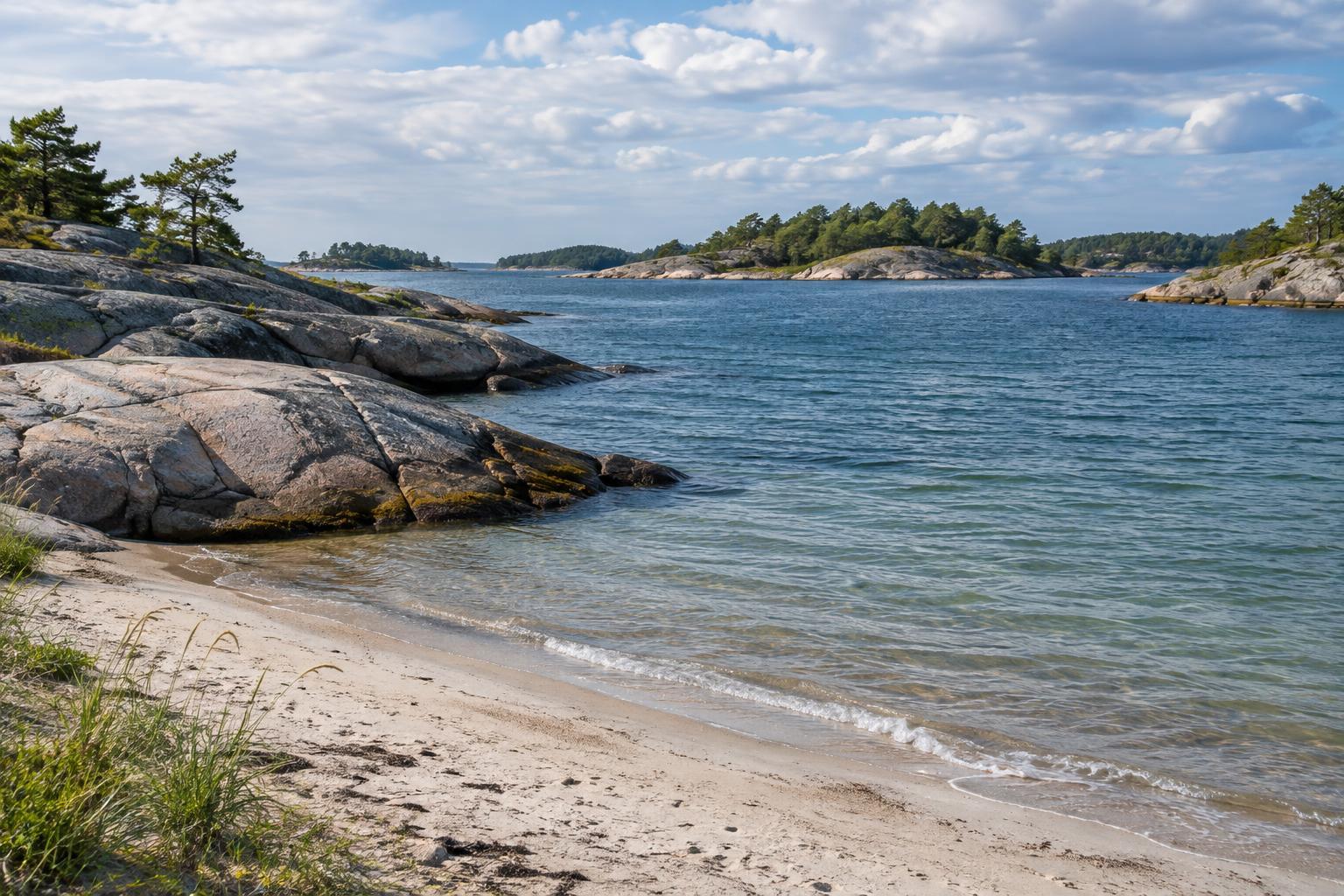
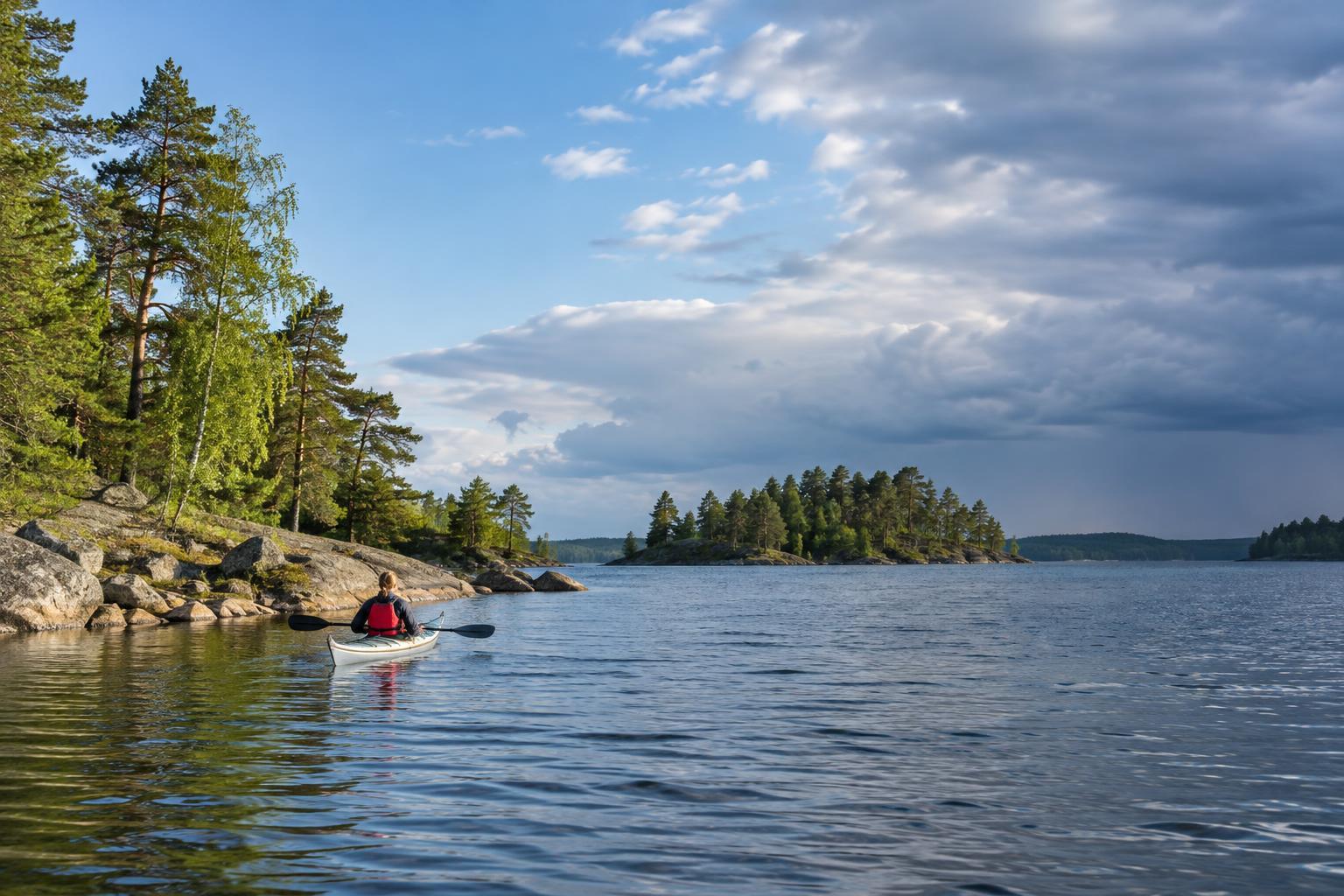
A photograph of a quiet Swedish lake can make any route look inviting, but a good paddling trip starts with the type of water, not the view. Sheltered lakes and slow-moving rivers can give newer paddlers time to practice steering and landing. Larger lakes may feel very different when wind builds across a long stretch of open water. Coastal archipelagos offer memorable island scenery, but their exposed crossings and boat traffic can demand more skill.
Look at the full route rather than its distance alone. Consider where you can launch, land, take breaks and turn back. A short trip with a difficult crossing may be less forgiving than a longer route close to shore. If you are renting a canoe or kayak, ask the outfitter which nearby routes suit your group and the conditions expected that day. Local advice is especially useful when channels, portages or landing places are not obvious from a map.
Build a route with room to change plans
Plan a day you can finish without rushing. Paddling speed varies with wind, current, boat type, experience and how often you stop. Mark possible rest points and an earlier finish, then make sure everyone in the group knows the plan. On a lake, staying near a suitable shore can leave more options than crossing its widest part. On a river, check whether your proposed route includes obstacles or sections that require carrying the boat.
Before setting out, examine an appropriate map and confirm how you will navigate if a phone loses signal or power. Tell someone not on the trip where you intend to go and when you expect to return. If you are travelling with children or paddlers who are still learning, choose a route around their comfort and ability, not the ambitions of the strongest person in the group. Turning back early is a useful part of planning, not a failed trip.
Treat the forecast as a starting point
Swedish paddling conditions can change during a single outing. Wind is often the deciding factor: it can slow your return, push a boat away from a landing place or make waves uncomfortable on open water. Check a forecast that covers your particular area before departure, paying attention to wind direction and strength as well as rain and temperature. Continue to watch the sky and the water rather than assuming the forecast will describe every local change.
Cold water deserves respect even when the air feels pleasant. Dress for the possibility of getting wet, and keep spare insulating clothes in a waterproof bag. A rain layer can help with spray and sudden showers; sun protection and drinking water matter on clear days too. If wind, visibility or temperature make the route feel beyond your group’s ability, wait, shorten the trip or choose more sheltered water. A flexible itinerary is often the best piece of weather equipment.
Pack for a safe, comfortable day
Wear a properly fitted buoyancy aid or life jacket suited to the activity, and check that every paddler knows how to use their boat and paddle. Carry a way to call for help, keeping a phone protected from water and accessible rather than buried with the luggage. Bring a map or other reliable navigation aid, food, drinking water, spare clothing and a basic means of dealing with minor problems. For longer or more exposed trips, preparation should match the route and the group’s skills.
Secure loose gear and practice simple communication before launching: how to signal a stop, regroup or change of plan. If a canoe or kayak capsizes, conditions and boat type affect what is possible, so learn appropriate recovery skills in a controlled setting rather than relying on improvisation. Guided trips or instruction can be a welcoming way to build confidence before attempting more independent journeys.
Leave shorelines as you found them
Sweden’s access traditions make it possible to enjoy many natural areas, but they come with a responsibility not to disturb people or damage the landscape. Use suitable places to launch and land, keep a respectful distance from homes, take rubbish away and avoid disturbing wildlife. Rules may differ in nature reserves and other protected areas, so check local guidance before planning a campsite or entering a restricted area. Never assume a fire is permitted; restrictions and local conditions need checking separately.
The most satisfying paddle is often one that leaves time to pause: to listen to water against the hull, watch the shoreline and decide whether to continue. This is an independent culture and travel guide, not a consulate or government service. For route-specific rules and conditions, consult the relevant local information and your paddling provider before you go.