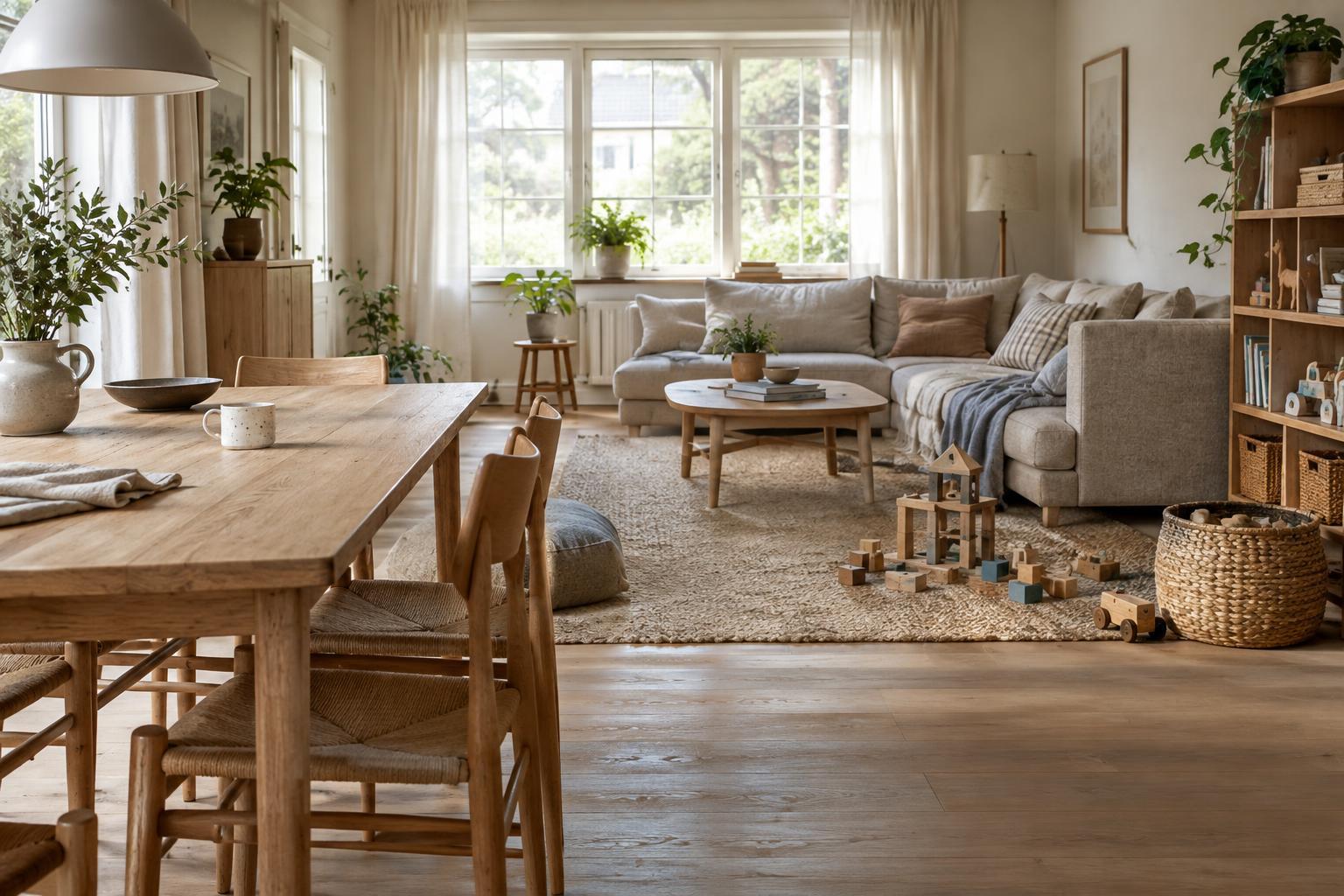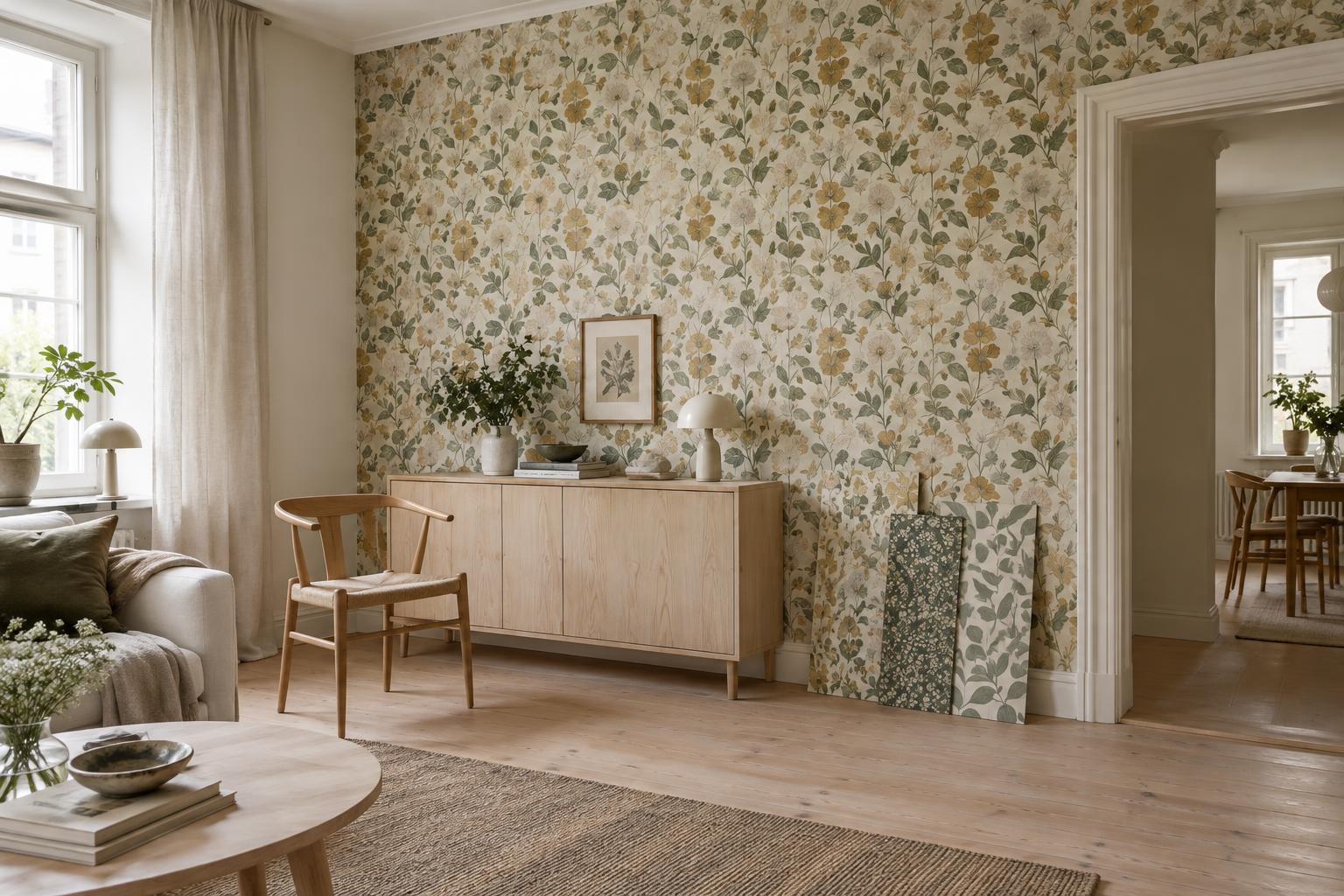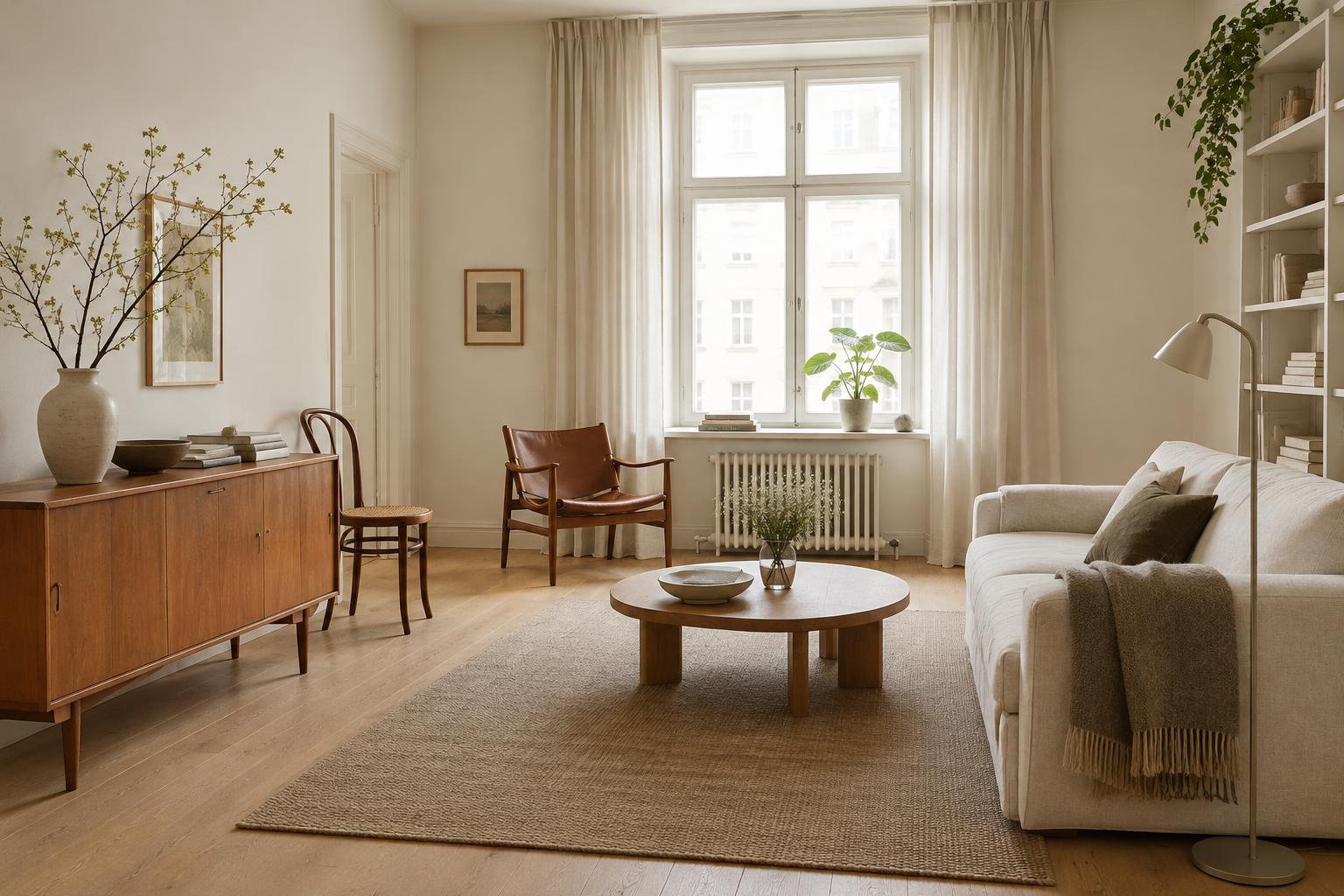
Start with the space, not the furniture
A Swedish-inspired outdoor space is less about buying a matching set than making it easy to spend time outside. Picture what you would actually do there: drink coffee, share a meal, read in the afternoon or sit with friends. That first choice helps determine whether you need a compact table, a comfortable chair or a flexible arrangement that can do several jobs.
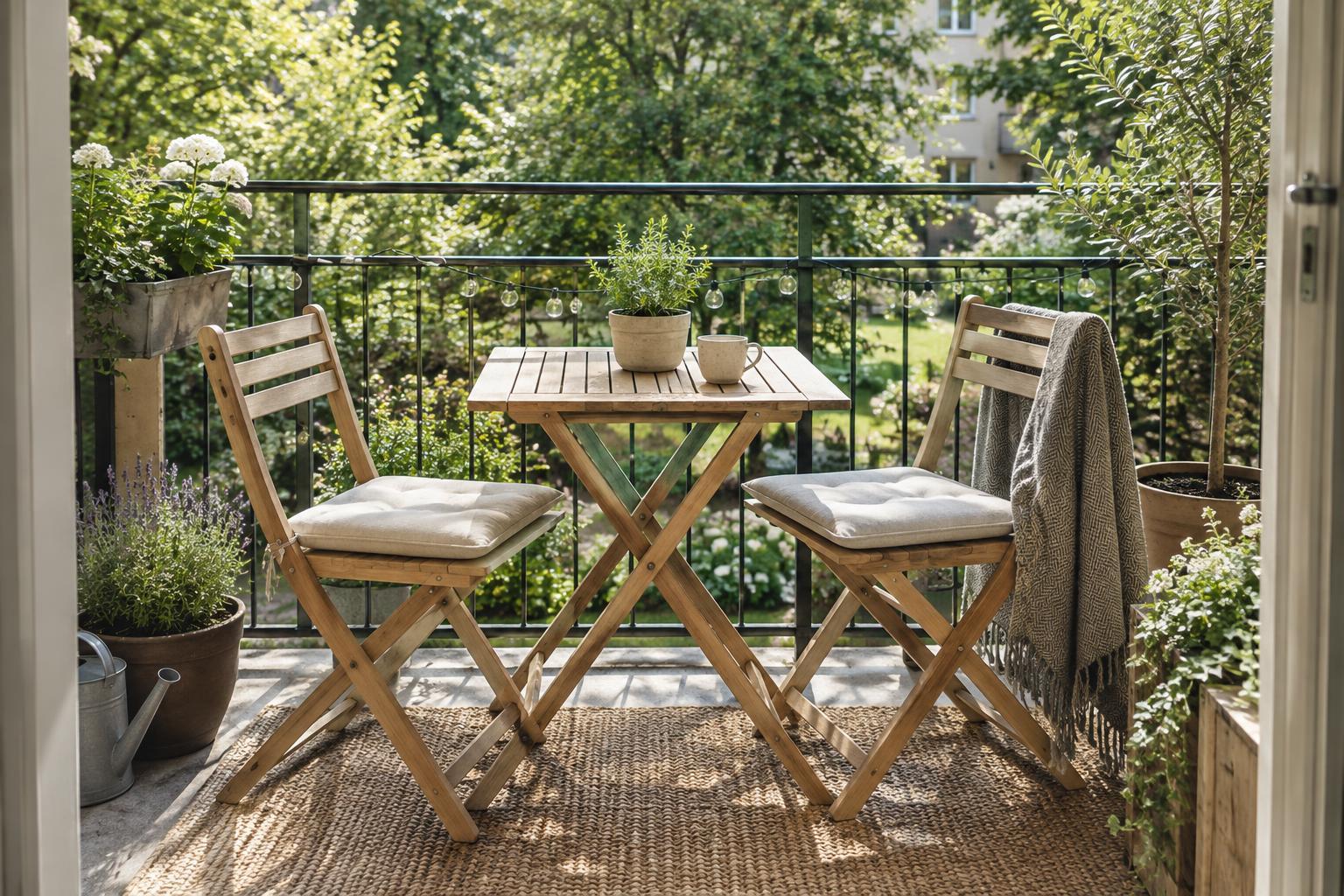
Measure the usable area before shopping, including the space needed to pull out a chair and move around it. On a narrow balcony, a small round table can be easier to navigate than a rectangular one. Folding chairs or a bench that tucks beneath a table may leave more room for plants and daily movement. In a garden, arrange seating around a purpose, such as dining in shade or catching the last warmth of the day, rather than spreading pieces across the lawn.
Choose materials with weather and maintenance in mind
Wood gives outdoor furniture a warm, natural character that suits many Swedish-inspired spaces. Different woods need different levels of care, however, and exposed surfaces may change color over time. Check whether a piece is intended for outdoor use and what its maker recommends for cleaning and protection. If you like the look of weathered wood, make sure you are comfortable with gradual changes in appearance.
Powder-coated metal can work well for slim tables and chairs, especially where every centimeter counts. Look for stable construction and check any care guidance for the finish. Outdoor-rated woven materials and plastic-based pieces can be light and easy to move, but their durability varies by product. For cushions, choose fabrics intended for outdoor use and plan a dry place to put them between uses. Even weather-resistant materials generally last better when cleaned and stored with care.
Balance simplicity with comfort
Swedish interiors are often associated with useful shapes, restrained color and materials that feel good to live with. Outdoors, that can mean choosing a few sturdy pieces rather than filling every corner. Light wood, muted paint and quiet shades of green, blue or gray can sit comfortably alongside plants. There is no single palette to follow: an outdoor area should feel connected to your home and pleasant to use.
Try a chair before choosing it, if possible. Seat height, back support and armrests matter more than a photograph suggests, particularly if you hope to linger over a meal. A bench can seat several people without taking up much visual space, while individual chairs are easier to rearrange. If you have room for only one generous piece, a comfortable chair may serve you better than a larger table you rarely use.
Make small spaces flexible and secure
Balconies benefit from furniture that can adapt as the day changes. A folding table can make space for breakfast and then move aside; stackable chairs can accommodate guests without occupying the floor all week. Before adding furniture or heavy planters, check any building guidance relevant to your balcony and avoid blocking doors or drainage. Keep lightweight pieces secure when wind is expected, especially if they could shift or tip.
Gardens offer more room but still benefit from a clear layout. Place frequently used seating where it is convenient to reach from the house, and notice how sun, shade and wind affect that spot. A small movable chair lets you follow comfortable conditions without committing to a permanent arrangement. Leave space to walk around tables and tend nearby plants, so the area remains welcoming after the initial setup.
Add the finishing touches gradually
An inviting outdoor area does not require a long shopping list. A washable cushion, a blanket kept indoors and a few pots can soften simple furniture. Choose accessories for the conditions they will face: a fabric that looks lovely in a sheltered corner may be impractical on an exposed balcony. Keep enough open surface for cups, plates or a book, rather than covering every table with decoration.
At the end of the season, clean furniture according to its care instructions and let it dry before covering or storing it. Check fittings, finishes and fabric for wear so small problems do not go unnoticed. Sweden Culture Guide is an independent culture magazine, not a consulate or government service; our interest here is in the everyday pleasure of making space for time outdoors. Start with the pieces you will use most, then let the space evolve around your habits.