Start with a season, not a sighting
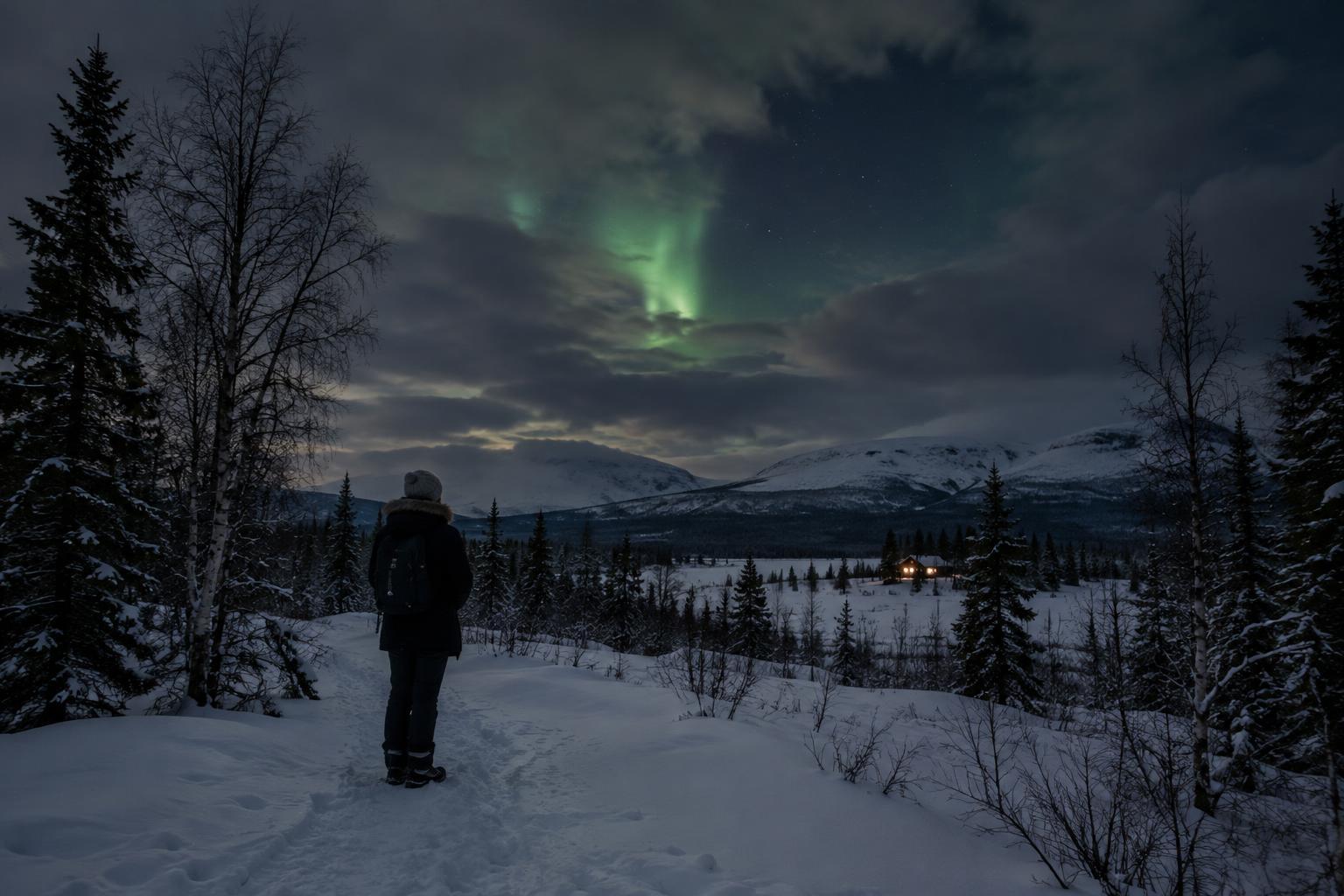
Swedish Lapland covers a large part of northern Sweden, from inland forests and mountain areas to communities along the coast. It is tempting to plan a trip around a photograph of the northern lights, but the region offers far more than a night sky. Choosing the kind of days you want to spend there is a better starting point than relying on one weather-dependent experience.
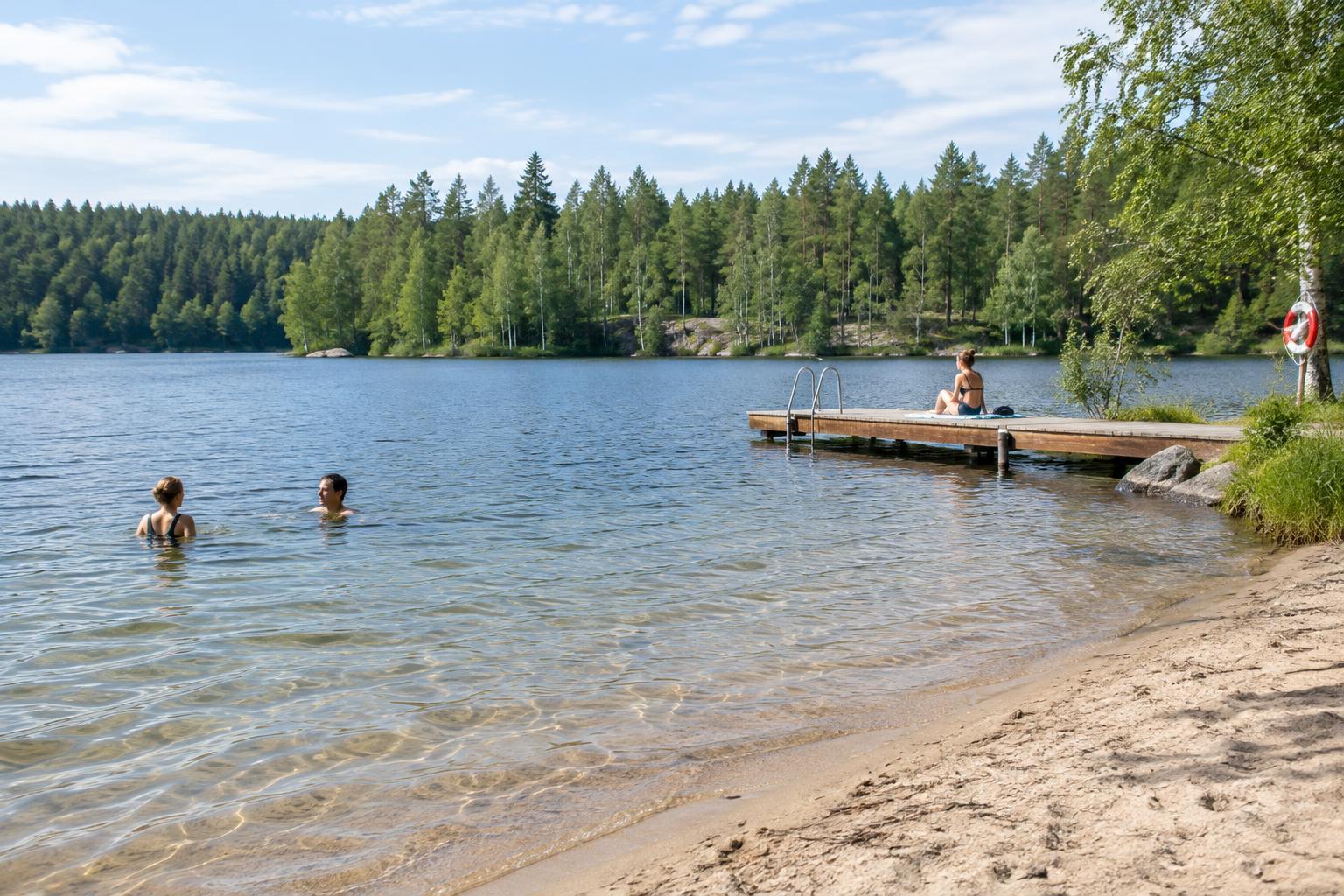
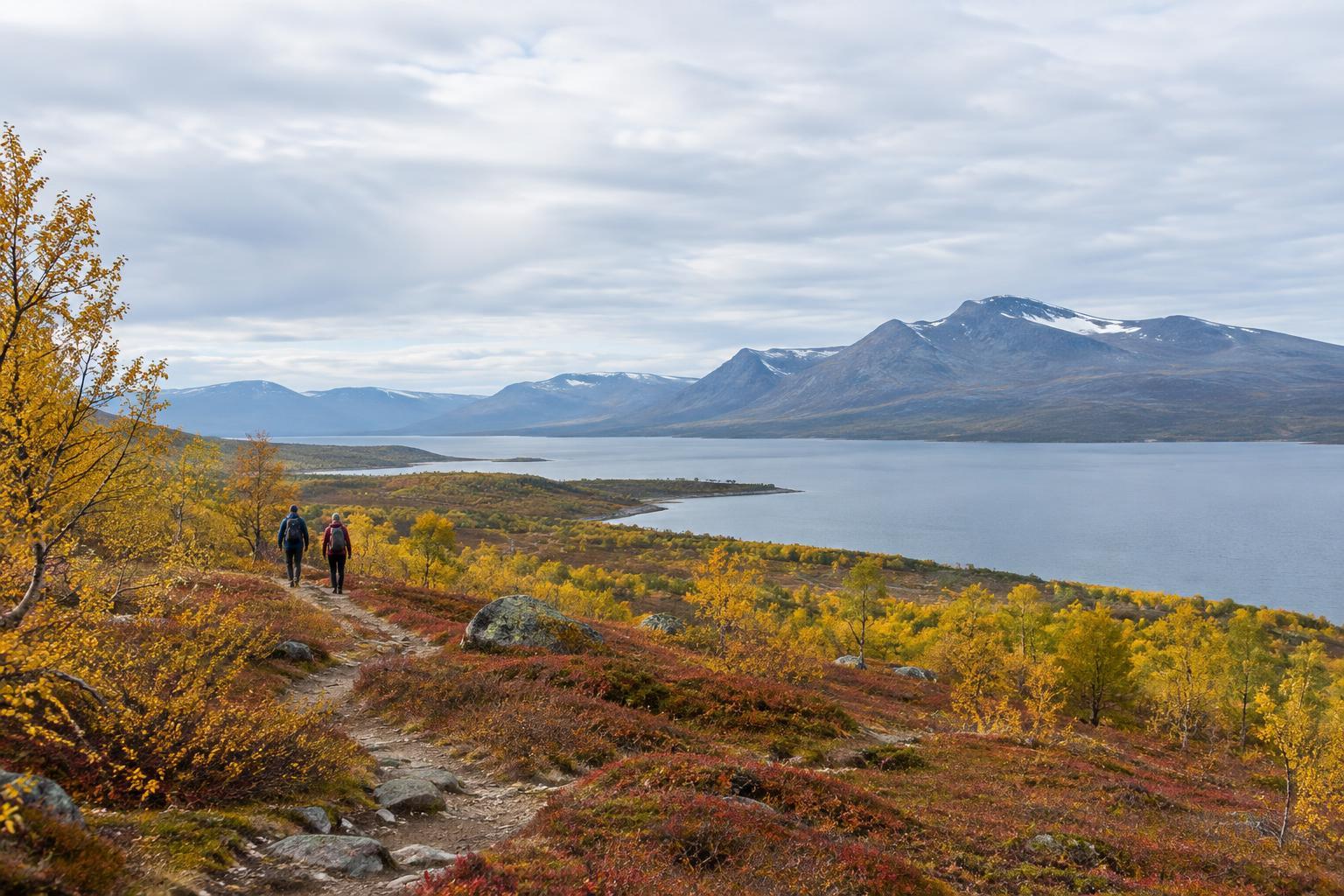
Winter brings snow-covered landscapes, short days and opportunities to try activities such as cross-country skiing or guided snowshoeing. Summer offers long hours of daylight that suit hiking and unhurried trips between towns. In autumn, changing colours can make a walk memorable even without a demanding route. Conditions vary by location and season, so check local information before deciding what to pack or book. If you do hope to see the northern lights, treat them as a possible bonus rather than the measure of a successful visit.
Choose a base that suits your pace
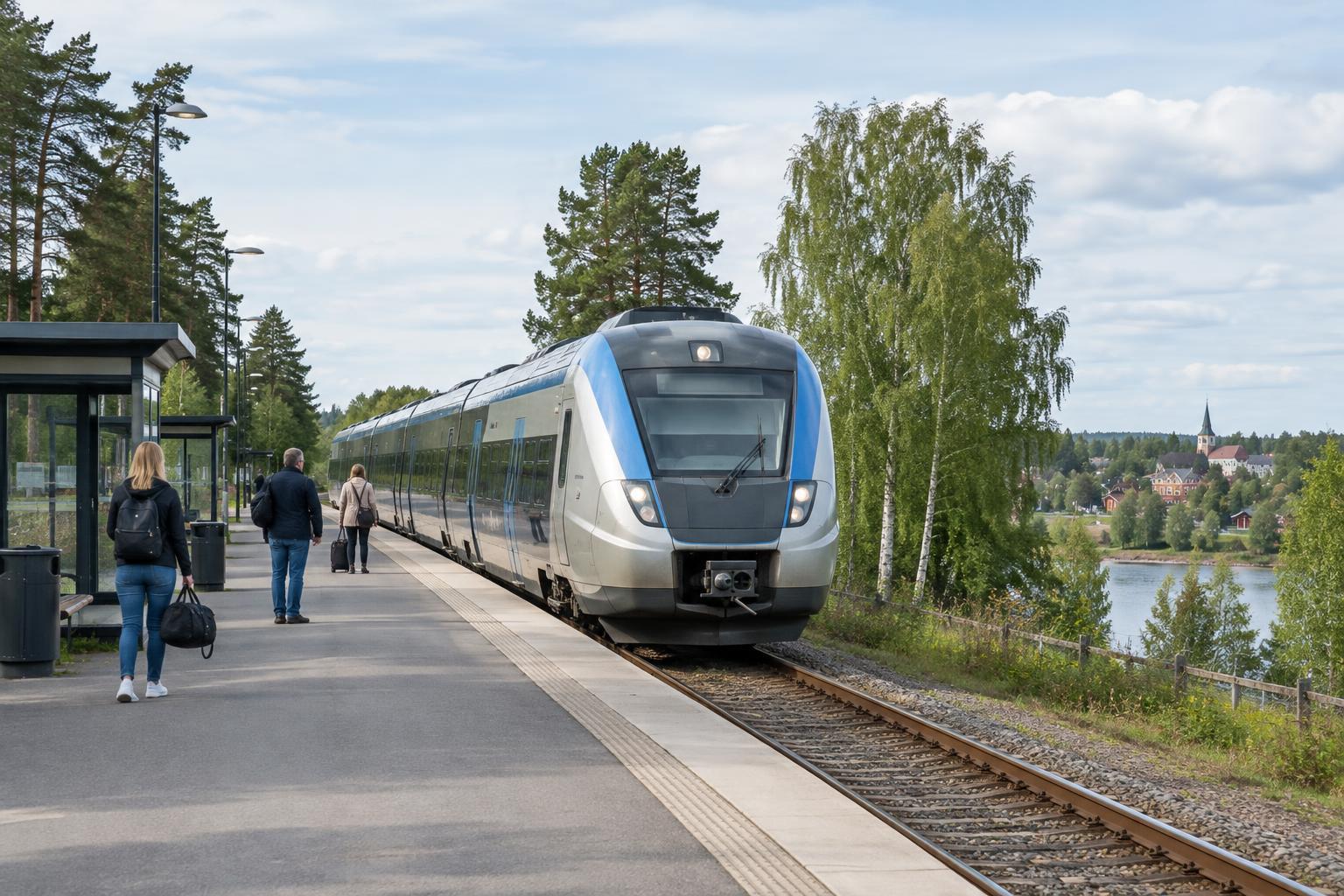
Distances in Swedish Lapland can be greater than they appear on a map. For a first trip, choose one or two bases instead of trying to cross the whole region. Kiruna can be a starting point for mountain-area excursions, while Luleå offers a coastal setting. Smaller communities may appeal if your priority is quiet time, but consider how you will get around before committing to a stay.
Think about what you want to do on an ordinary day. Would you prefer to walk to a café and museum, or wake up close to a trail? Check the connections between your accommodation and the places you want to visit, particularly if you will not have a car. Leave room in your schedule for a delayed journey, a change in weather or simply a slower afternoon. The freedom to stay put for a while is part of the pleasure of travelling here.
Make room for nature at a comfortable scale
You do not need an expedition to enjoy the landscape. A short marked trail, a lakeside walk or time spent watching the light change over a forest can be enough. Ask locally about routes suited to your experience, and be prepared to turn back if conditions change. In mountain areas, weather can shift quickly; a route that looks straightforward on a screen may feel very different on the ground.
Sweden’s right of public access allows many forms of outdoor recreation, but it comes with a responsibility to avoid disturbing people, wildlife and the land. Rules can differ in protected areas, and access may be restricted in particular places or periods. Stay on appropriate routes where requested, carry out your litter and follow local guidance about fires. If you are new to winter travel or remote terrain, a guided outing can offer a way to learn the basics without taking on more than you intended.
Listen to the place and its people
Swedish Lapland is home to Sámi communities, whose cultures and livelihoods are part of the region’s present, not just its past. There is no single Sámi experience. If you want to learn about Sámi food, crafts, storytelling or reindeer herding, seek out experiences led by Sámi people and pay attention to how they describe their own work. Reindeer are not props for photographs; give animals and herders space.
Everyday stops can also deepen a trip. Try a local café, visit a small museum or make time for a meal built around regional ingredients. Ask questions with curiosity rather than expecting any one person to explain an entire place. A visit feels richer when cultural activities are chosen with the same care as outdoor ones: look for clear information about who leads an experience, what it includes and how much time to allow.
Pack for the day you have planned
Layers are useful in any season because a day can combine a warm indoor stop with hours outside. Comfortable footwear matters more than a carefully staged travel wardrobe. For winter outings, ask your activity provider what equipment is supplied and what you need to bring. In warmer months, prepare for insects on woodland and wetland walks, and carry water and a layer for changing weather.
Before setting out, check the day’s conditions, opening hours and transport arrangements. Keep an offline copy of essential details if you expect limited reception. Above all, resist filling every hour: Swedish Lapland rewards time to notice its scale, sounds and small changes in light. This guide is from an independent culture magazine, not a consulate or government service; for official travel requirements, use the relevant authorities.