Start with everyday life, not a look
Swedish interior design is often reduced to white walls and pale wood. Those can be part of it, but they are not a checklist. A more useful starting point is to ask how a room supports ordinary life: where you sit with a book, put down your keys, share a meal or store what you use each day. An attractive room should also be easy to live in.
This is an independent culture magazine, not a consulate or government service. Here, the focus is on design ideas you can adapt rather than rules for making a home look authentically Swedish. Homes in Sweden differ widely in age, size and personal taste. What many admired examples share is a balance between practical choices and a welcoming atmosphere.
Before buying anything, look at what already works in your space. Keep clear routes through the room, give frequently used items a convenient place and leave some surfaces open. Simplicity feels calmer when it solves a problem; it can feel bare when useful or meaningful things have been removed just to achieve a particular image.
Make the most of light
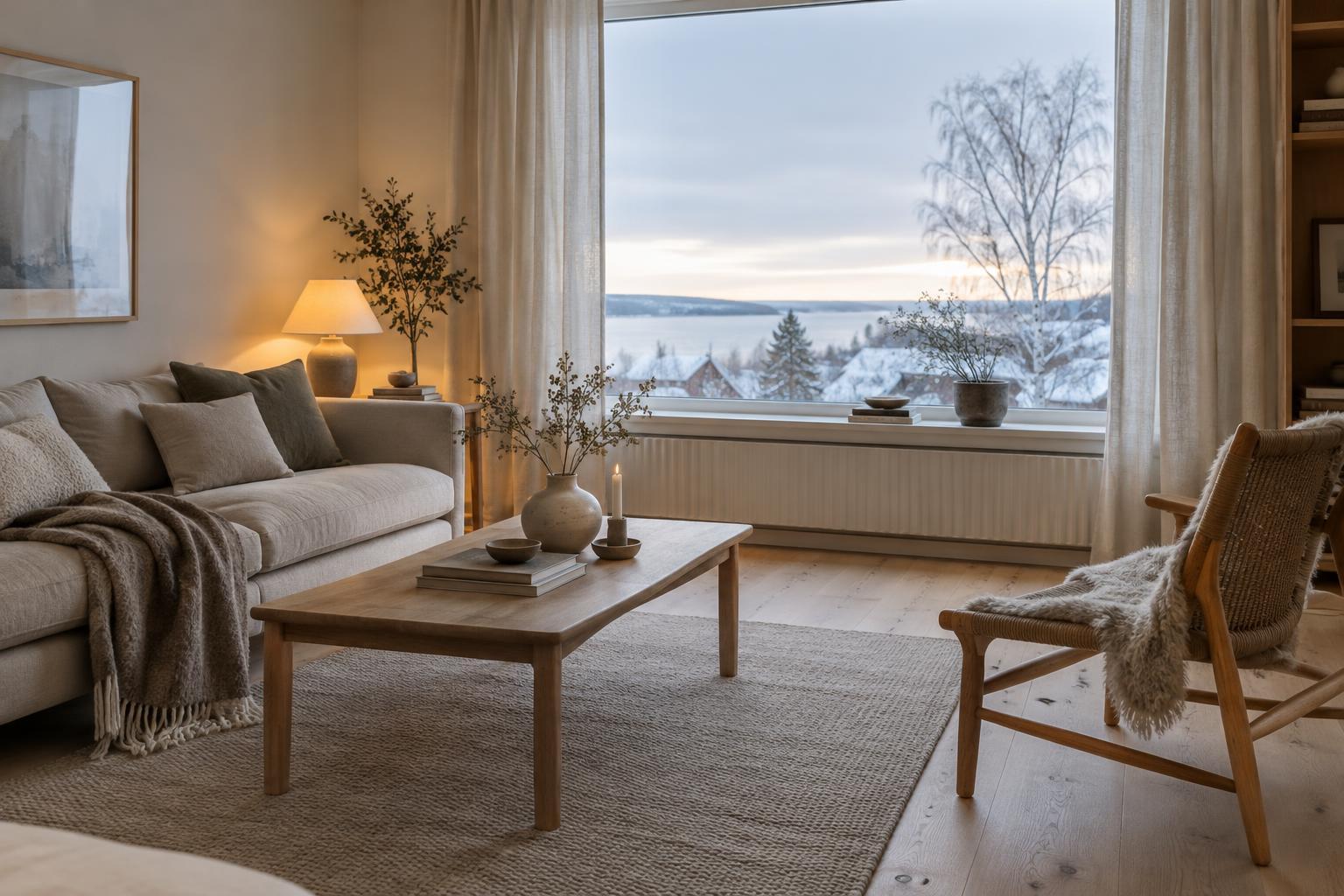
Light has a strong influence on the mood of an interior. In Sweden, where daylight changes markedly across the year, it makes sense that many interiors pay attention to how light enters a room and how it feels after dark. You can borrow that approach anywhere. Notice which corners receive daylight, then arrange furniture so that a favorite seat or work surface benefits from it.
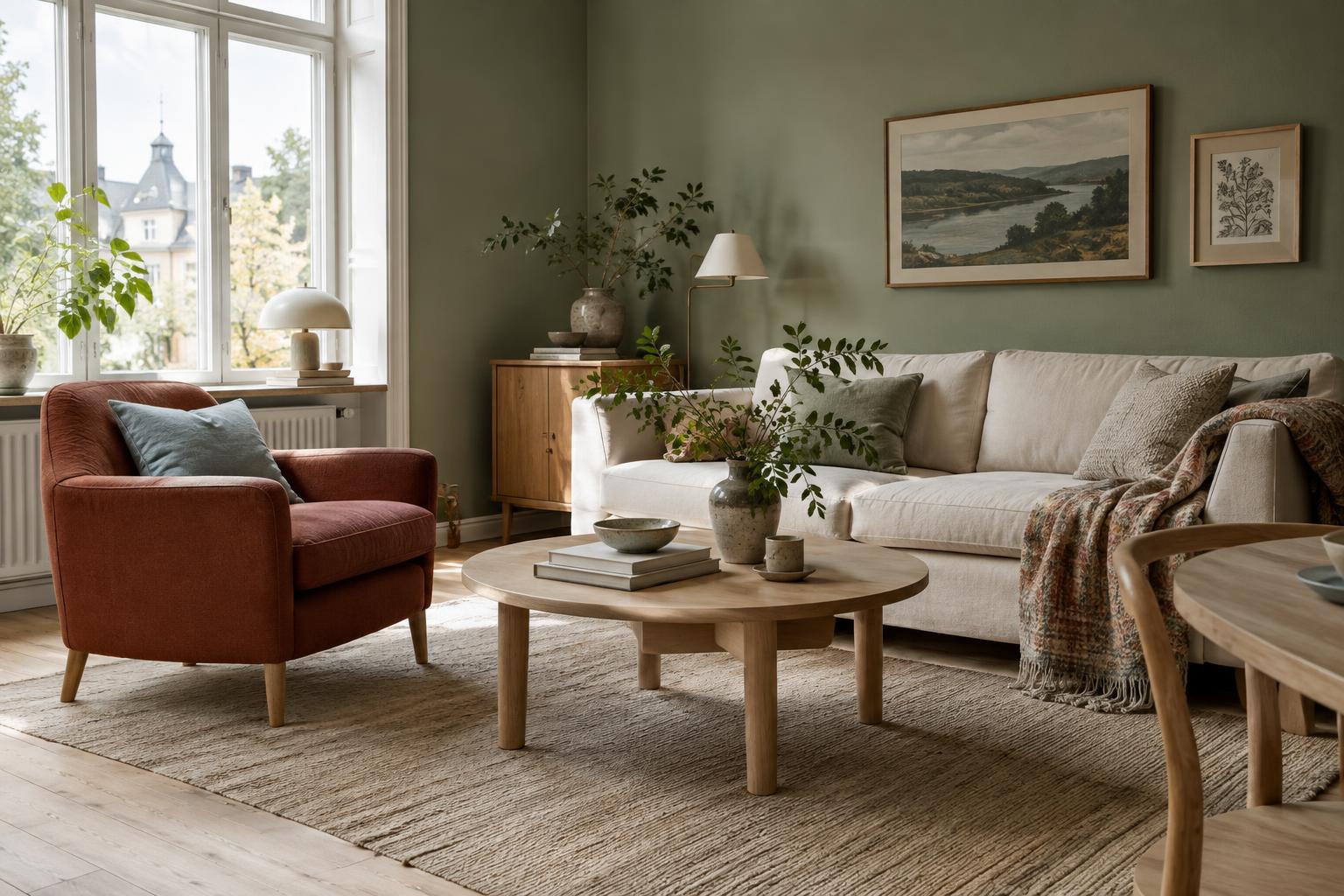
Light-colored walls can help a room feel open, but white is not the only option. Soft gray, warm cream and muted colors can provide a gentle backdrop. The right choice depends on your windows, the surrounding buildings and the time of day you use the room. Try a paint sample in several spots before committing; a color that looks warm in a shop may feel cool at home.
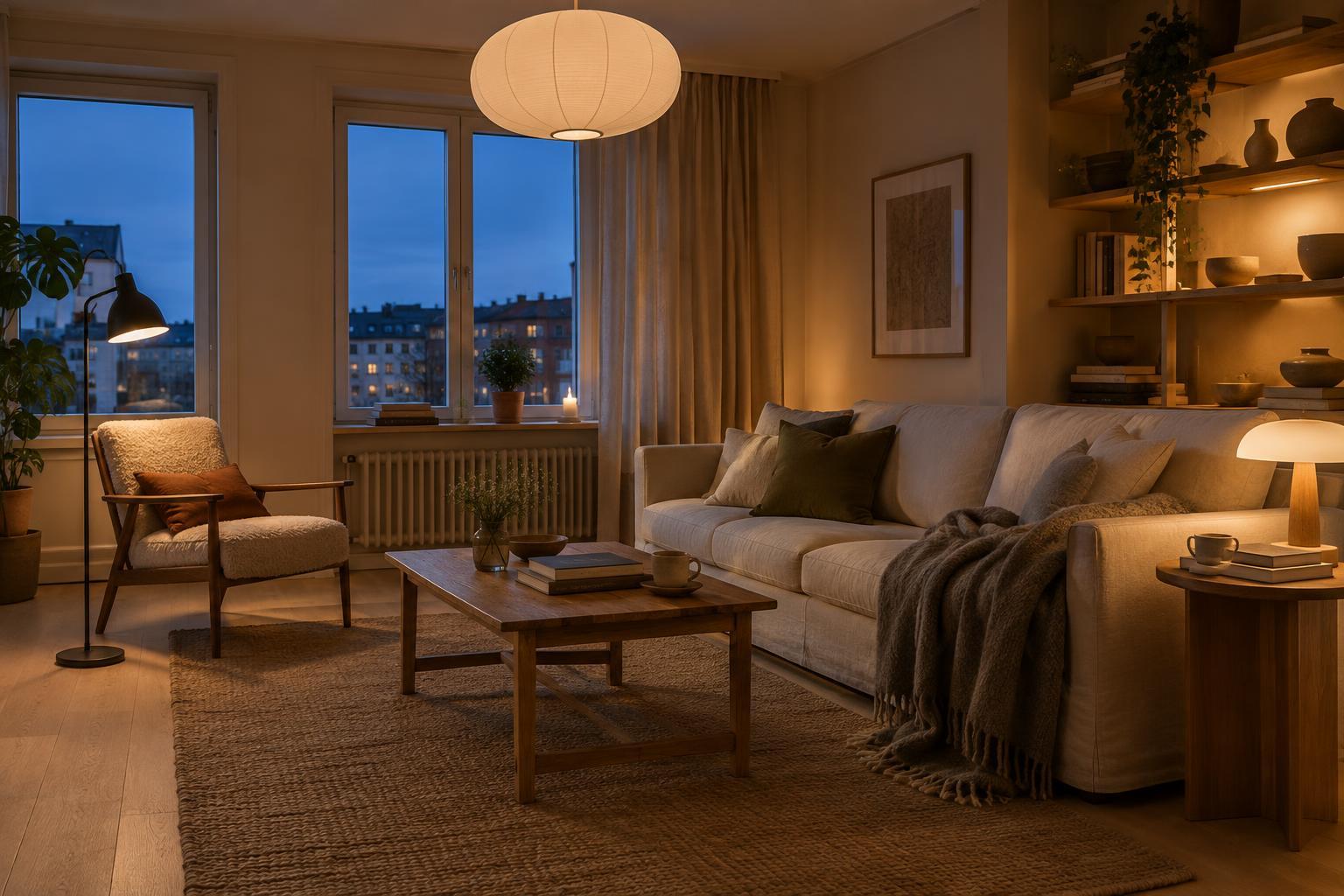
After sunset, use several smaller light sources instead of relying on one bright ceiling fixture. A reading lamp beside a chair, a table lamp on a shelf and a softer light near the dining area can serve different purposes. Adjustable or shaded lamps make it easier to move from practical tasks to a relaxed evening mood.
Choose materials you enjoy touching
Wood, wool, linen, cotton, leather and ceramics are familiar materials in Swedish-inspired interiors. Their appeal is not simply that they look natural. They bring different textures to a room, often making a restrained color scheme feel warmer and more varied. A wooden table beside a linen curtain and a woven rug, for example, offers contrast without requiring many patterns.
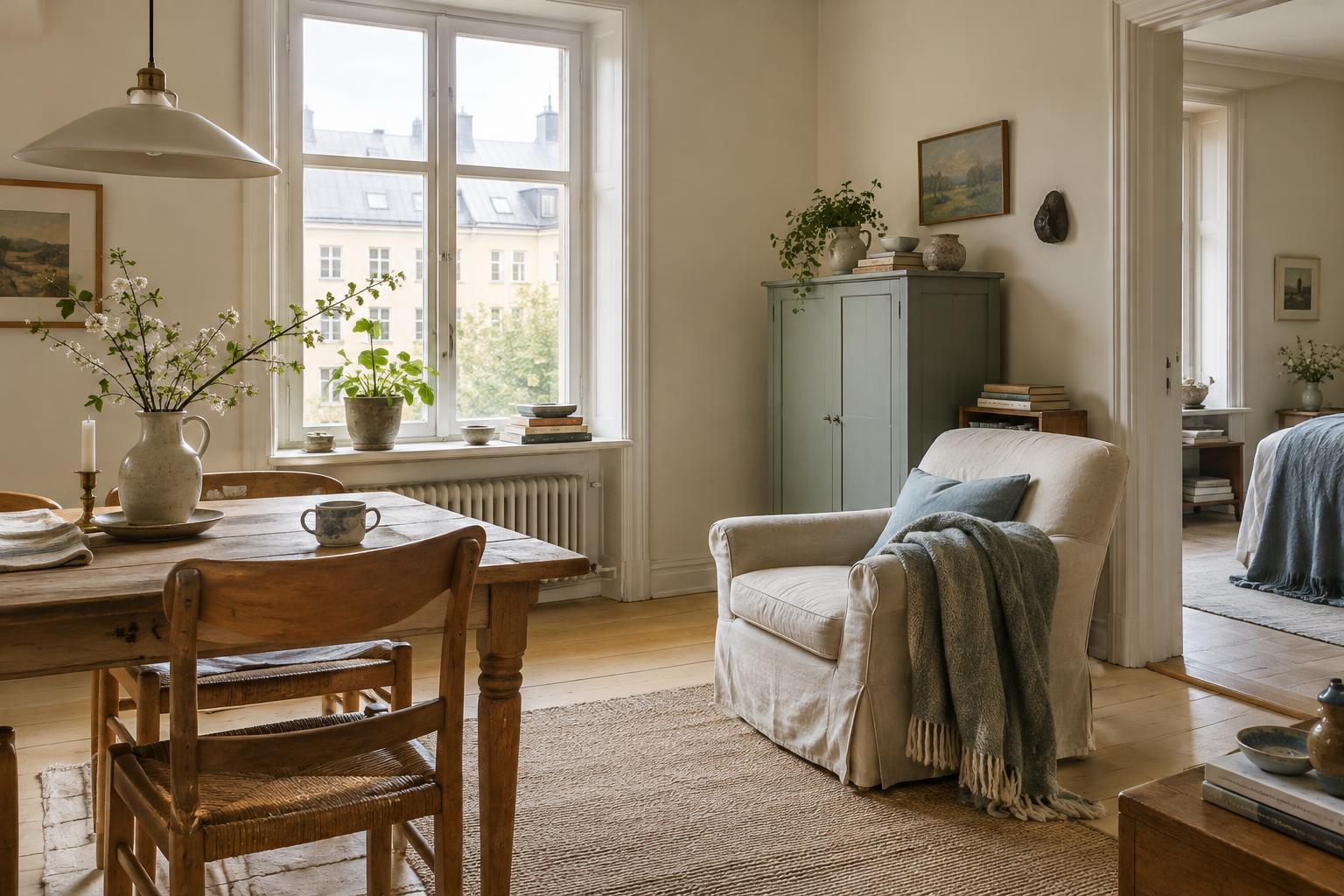
You do not need to replace everything with new, matching pieces. A secondhand cabinet, a repaired chair or a well-used dining table may add more character than an entirely coordinated set. When selecting furniture, consider its proportions and purpose first: Can people move around it comfortably? Is it sturdy enough for the way you will use it? Materials and finishes that you can maintain are usually a better fit than ones you feel anxious about touching.
Layer textiles where comfort matters most. A rug can make a seating area feel settled, curtains can soften a window, and a throw can make a simple sofa more inviting. Choose items for your climate and habits rather than assuming every room needs the same collection of blankets and cushions.
Use restraint without losing personality
A restrained palette provides space for objects to stand out. Begin with a few colors that work well together, then vary their depth and texture. Dark blue, forest green, rust or black can add definition to a pale room; brighter colors can appear in smaller, movable pieces. The aim is not to avoid color, but to make each choice feel intentional.
Personal objects keep a simple interior from becoming anonymous. Books you return to, art you enjoy, handmade ceramics and souvenirs with a story can all belong. Give them enough room to be seen rather than spreading them evenly across every surface. Storage helps here: baskets, shelves and closed cabinets can hold everyday belongings while leaving space for the things you want on display.
Build the room gradually
If you are starting from scratch, begin with one room and one practical improvement. That might mean moving a chair closer to the window, changing an overly harsh bulb or finding better storage by the door. Live with the result before adding more. Gradual changes reveal what the room actually needs and can help you avoid purchases made solely to match a photograph.
The most convincing Swedish-inspired interior is not a perfect copy of someone else’s home. It brings light, usefulness, tactile materials and personal comfort together in a way that suits the people who live there. If a room feels good to use on an ordinary day, its design is doing something right.